If you are suffering from tenderness, pain, or stiffness in the joints of your feet or ankles, call us to schedule an appointment.
If you are suffering from tenderness, pain, or stiffness in the joints of your feet or ankles, call us to schedule an appointment.
 When a child is born, the bones in their feet are comprised of soft cartilage. Research has indicated that it is beneficial for a child to walk barefoot while indoors, as this may help the feet to become stronger. This can happen when the toes grasp the floor, and this generally benefits the entire foot. When your child walks outdoors, it is important to properly measure their feet, as this can help to best determine the correct shoe size. When the first shoes are purchased, it is suggested that they are made of a lightweight and breathable material, in addition to having non-slip soles. Children’s feet grow rapidly, and it is wise to have them measured approximately every six weeks. Many babies are born with flat feet, and the arches will gradually develop as the feet become stronger. If this fails to occur, it is advised that you consult with a podiatrist who can properly diagnose any foot condition your child may have.
Making sure that your children maintain good foot health is very important as they grow. If you have any questions, contact the podiatrists of Boston Common Podiatry. Our doctors can provide the care you need to keep you pain-free and on your feet.
Keeping Children's Feet Healthy
Having healthy feet during childhood can help prevent medical problems later in life, namely in the back and legs. As children grow, their feet require different types of care. Here are some things to consider...
Although babies do not walk yet, it is still very important to take care of their feet.
Avoid putting tight shoes or socks on his or her feet.
Allow the baby to stretch and kick his or her feet to feel comfortable.
As a toddler, kids are now on the move and begin to develop differently. At this age, toddlers are getting a feel for walking, so don’t be alarmed if your toddler is unsteady or ‘walks funny’.
As your child gets older, it is important to teach them how to take care of their feet.
Show them proper hygiene to prevent infections such as fungus.
Be watchful for any pain or injury.
Have all injuries checked by a doctor as soon as possible.
Comfortable, protective shoes should always be worn, especially at play.
If you have any questions, please feel free to contact our office located in Boston, MA . We offer the newest diagnostic and treatment technologies for all your foot care needs.
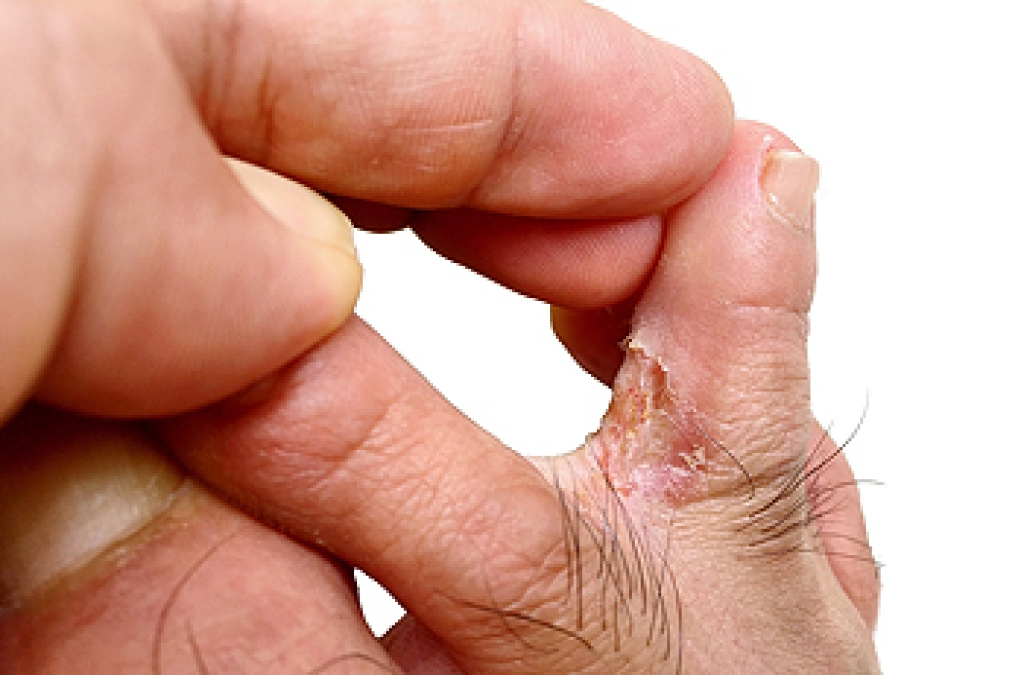
There are clear signs that can indicate whether athlete's foot has developed or not. A common symptom related to this condition is the formation of a red rash that may spread all over the afflicted foot and is normally found in between the toes. If left untreated, the rash may spread underneath the foot, leaving the skin looking scaly or chalky. Additionally, the rash may be incredibly itchy, however, scratching the affected area may cause more harm to the skin, which is why it is advised that scratching be refrained. Athlete’s foot is a fungal skin infection that may enter the skin if footwear is not worn in warm, moist environments. Areas where this infection typically spreads can include communal showers, locker rooms, and swimming pools. For advice on how to treat your athlete’s foot or for tips on prevention, we recommend you consult with a podiatrist for professional care.
Athlete’s foot is an inconvenient condition that can be easily reduced with the proper treatment. If you have any concerns about your feet and ankles, contact the podiatrists from Boston Common Podiatry. Our doctors will treat your foot and ankle needs.
Athlete’s Foot: The Sole Story
Athlete's foot, also known as tinea pedis, can be an extremely contagious foot infection. It is commonly contracted in public changing areas and bathrooms, dormitory style living quarters, around locker rooms and public swimming pools, or anywhere your feet often come into contact with other people.
Solutions to Combat Athlete’s Foot
Athlete’s foot can cause many irritating symptoms such as dry and flaking skin, itching, and redness. Some more severe symptoms can include bleeding and cracked skin, intense itching and burning, and even pain when walking. In the worst cases, Athlete’s foot can cause blistering as well. Speak to your podiatrist for a better understanding of the different causes of Athlete’s foot, as well as help in determining which treatment options are best for you.
If you have any questions please feel free to contact our office located in Boston, MA . We offer the newest diagnostic and treatment technologies for all your foot and ankle needs.
 Each toe is comprised of small bones that can break easily, especially if a heavy object is dropped on it. Additionally, a broken toe may occur if it is stubbed against a piece of furniture. The majority of fractured toes are minor, and can be easily treated at home. If the break is severe, there may be an open wound, and the toe may appear to be crooked. Common symptoms that are typically associated with a broken toe can consist of swelling, pain, bruising, and it is often difficult to move. An effective type of treatment for mild fractures is buddy taping. This consists of taping the affected toe to the toe next to it, and it may provide the support that is needed as the healing process takes place. If you would like additional information about how to take care of broken toes, it is suggested that you speak with a podiatrist.
Broken toes may cause a lot of pain and should be treated as soon as possible. If you have any concerns about your feet, contact the podiatrists from Boston Common Podiatry. Our doctors will treat your foot and ankle needs.
What Is a Broken Toe?
A broken toe occurs when one or more of the toe bones of the foot are broken after an injury. Injuries such as stubbing your toe or dropping a heavy object on it may cause a toe fracture.
Symptoms of a Broken Toe
Although the injured toe should be monitored daily, it is especially important to have a podiatrist look at your toe if you have severe symptoms. Some of these symptoms include worsening or new pain that is not relieved with medication, sores, redness, or open wounds near the toe.
If you have any questions please feel free to contact our office located in Boston, MA . We offer the newest diagnostic tools and technology to treat your foot and ankle needs.

Gout is a painful, inflammatory form of arthritis. Those affected will typically feel an intense stiffness in the joints of their feet, particularly in the big toe. Schedule a visit to learn about how gout can be managed and treated.