
Do you suffer from heel pain when you get up in the morning? If so, you should seek professional help and have a proper diagnosis performed. Heel pain can be caused by several different foot-related conditions.
Do you suffer from heel pain when you get up in the morning? If so, you should seek professional help and have a proper diagnosis performed. Heel pain can be caused by several different foot-related conditions.
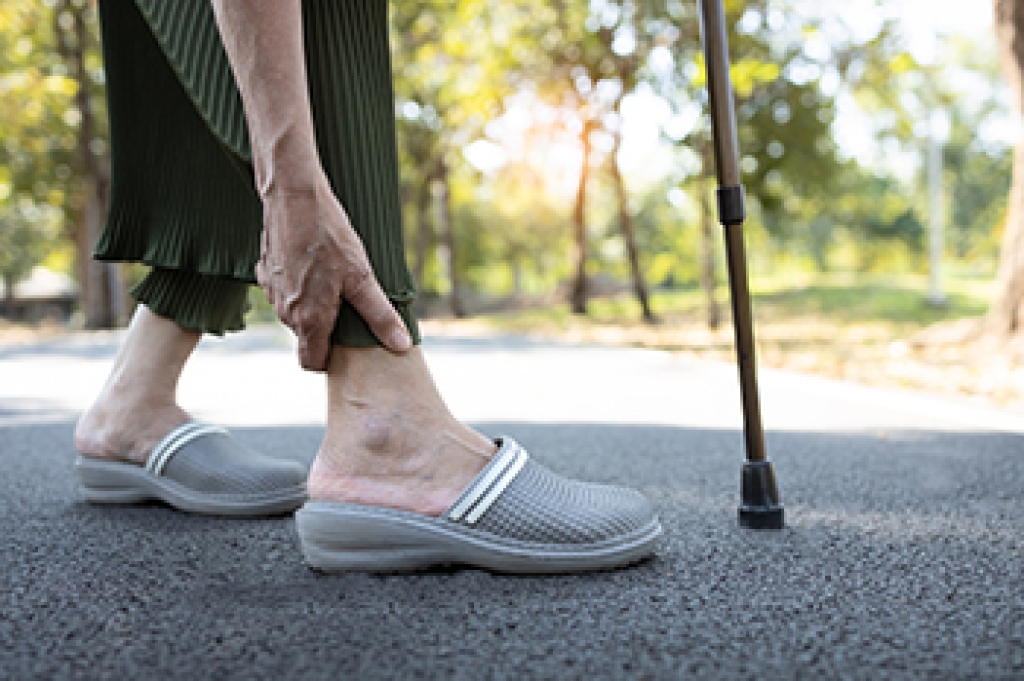
As we age, the feet naturally undergo changes that can affect comfort, mobility, and overall health. Common changes include thickened or discolored toenails, joint stiffness, thinning skin, and reduced fat padding on the soles. Circulation may also decline, leading to cooler feet or changes in color, such as bluish or reddish tones. These changes can make walking more difficult and increase the risk of falls or injury. Joint stiffness may indicate arthritis, while numbness or tingling could be a sign of nerve issues or diabetes. Thickened toenails and dry skin can also make self-care harder and lead to infections. A podiatrist can evaluate these symptoms with a physical exam, medical history, and diagnostic tests to identify underlying conditions. Treatment may include custom orthotics, targeted exercises, nail care, or recommendations for supportive footwear. If you are noticing changes in your feet, it is suggested that you make an appointment with a podiatrist for evaluation and treatment.
If you need your feet checked, contact the podiatrists of Boston Common Podiatry. Our doctors will attend to all of your foot and ankle needs and provide you with quality treatment.
Geriatrics and Podiatry
When people age, some common issues that may occur are bone density loss, dry skin, poor circulation, and rough brittle nails. These issues may also affect your foot health if the necessary steps are not taken to alleviate the problems.
It is important to take care of your feet because feet that are injured or diseased can affect your overall health. Having painful feet hinders your ability to do daily activities or may decrease your willingness to do the things that you need to do.
Visiting Your Geriatrician
As we age, health problems become more likely, so it is essential to visit your doctor for check-ups to ensure that you are doing the best you can to take care of your health. It is recommended to check your feet frequently for any possible cuts, bruises, swelling, corns or any other irregularities.
Taking Care of Elderly Feet
Cracked or dry feet can be treated by applying moisturizer often. It is also important not to wear old socks because the older the sock is, the higher the possibility there will be that there is bacteria there. Wear fresh socks and make sure they fit properly.
Proper foot health means that you can have a more active lifestyle and you will not be bogged down by pain. Foot health also leads to good circulation, which is paramount for overall health.
If you have any questions, please feel free to contact our office located in Boston, MA . We offer the newest diagnostic and treatment technologies for all your foot care needs.
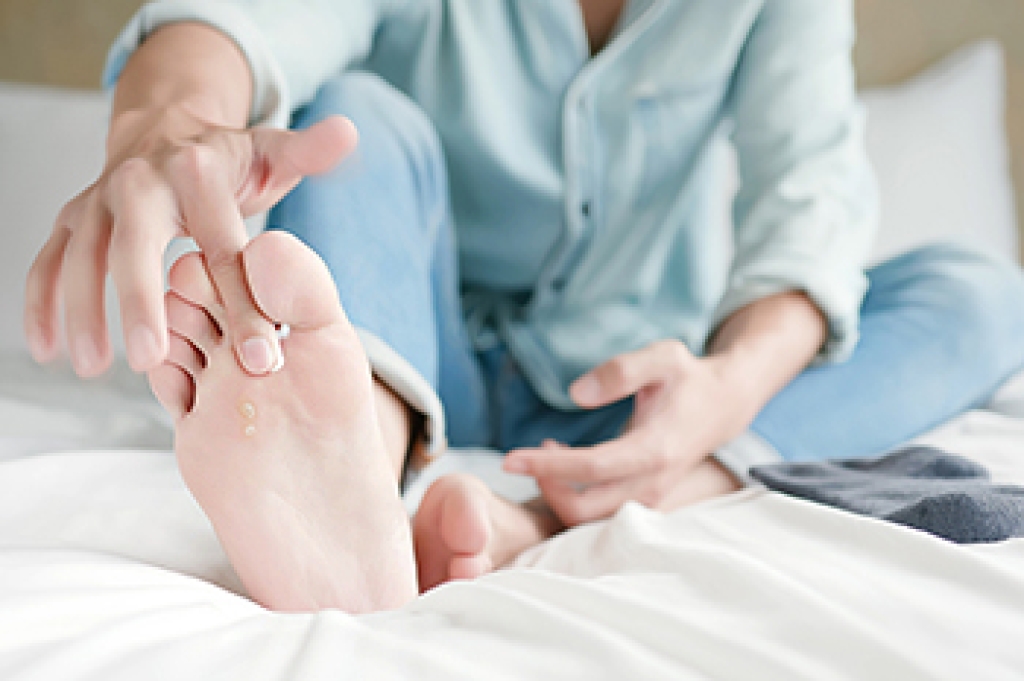
Athlete’s foot is a skin infection caused by fungi that thrive in warm, moist areas, such as shoes, locker rooms, and public shower areas. It often appears as peeling, itching, or cracked skin between the toes or on the soles of the feet. Some cases may cause redness, blisters, or a burning sensation. Because symptoms can resemble eczema or psoriasis, a proper diagnosis is important. A podiatrist can usually identify athlete’s foot by examining the affected area. In some cases, a small skin sample may be taken and examined under a microscope or sent to a lab to confirm the presence of fungus. Accurate diagnosis ensures the most effective treatment. If you notice persistent foot irritation or scaling, it is suggested that you see a podiatrist for a diagnosis and a treatment plan that clears the infection and prevents it from returning.
Athlete’s Foot
Athlete’s foot is often an uncomfortable condition to experience. Thankfully, podiatrists specialize in treating athlete’s foot and offer the best treatment options. If you have any questions about athlete’s foot, consult with the podiatrists from Boston Common Podiatry. Our doctors will assess your condition and provide you with quality treatment.
What Is Athlete’s Foot?
Tinea pedis, more commonly known as athlete’s foot, is a non-serious and common fungal infection of the foot. Athlete’s foot is contagious and can be contracted by touching someone who has it or infected surfaces. The most common places contaminated by it are public showers, locker rooms, and swimming pools. Once contracted, it grows on feet that are left inside moist, dark, and warm shoes and socks.
Prevention
The most effective ways to prevent athlete’s foot include:
Symptoms
Athlete’s foot initially occurs as a rash between the toes. However, if left undiagnosed, it can spread to the sides and bottom of the feet, toenails, and if touched by hand, the hands themselves. Symptoms include:
Diagnosis and Treatment
Diagnosis is quick and easy. Skin samples will be taken and either viewed under a microscope or sent to a lab for testing. Sometimes, a podiatrist can diagnose it based on simply looking at it. Once confirmed, treatment options include oral and topical antifungal medications.
If you have any questions, please feel free to contact our office located in Boston, MA . We offer the newest diagnostic and treatment technologies for all your foot care needs.
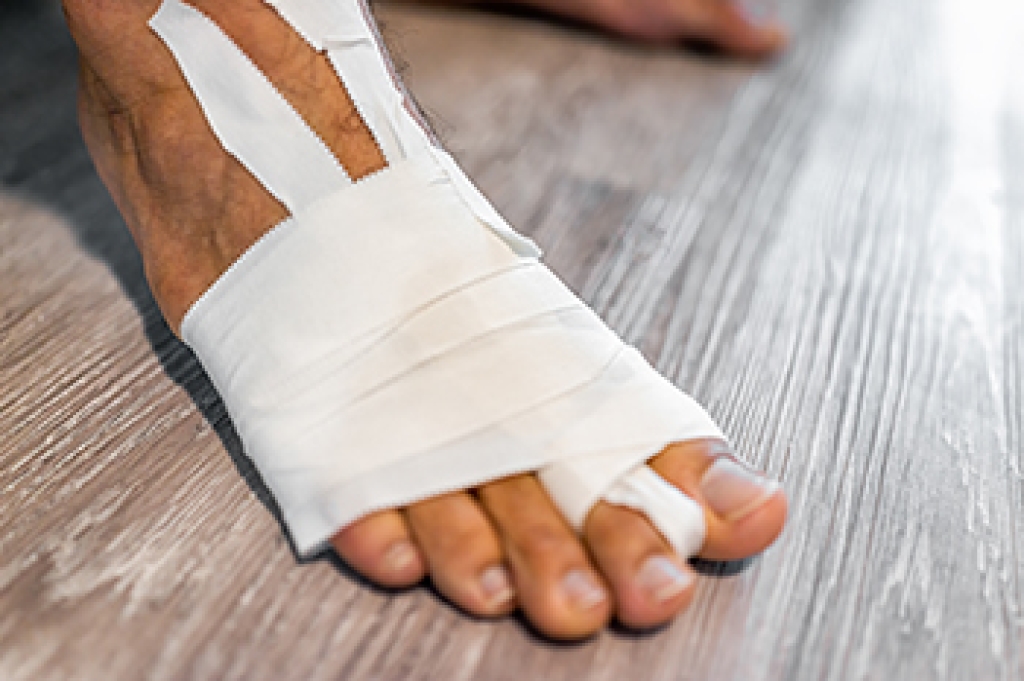
Turf toe is a sprain of the metatarsophalangeal, or MTP, joint, which connects the base of the big toe to the foot. This injury typically occurs when the big toe bends upward beyond its normal range, damaging the surrounding ligaments and tissues of the plantar complex. Symptoms of turf toe include pain, swelling, bruising, and reduced ability to push off with the toe. Turf toe injuries are grouped into three categories. Grade 1 involves stretching of the soft tissue, resulting in mild tenderness. Grade 2 involves a partial tear, causing more pain, swelling, and limited joint movement. Grade 3 is the most severe, with a complete tear of the soft tissue, often preventing weight-bearing on the toe. Turf toe is frequently experienced by athletes who play on artificial surfaces, especially those who wear lightweight shoes. It can affect gymnasts, dancers and other active people, as well. If you have symptoms of a turf toe injury, it is suggested that you schedule an appointment with a podiatrist for an exam and appropriate treatment options.
Toe pain can disrupt your daily activities. If you have any concerns, contact the podiatrists of Boston Common Podiatry. Our doctors can provide the care you need to keep you pain-free and on your feet.
What Causes Toe Pain?
Most severe toe pain is caused due to a sports injury, trauma from dropping something heavy on the toe, or bumping into something rigid. Other problems can develop over time for various reasons.
Toe pain can be caused by one or more ailments. The most common include:
When to See a Podiatrist
Diagnosis
In many cases the cause of toe pain is obvious, but in others, a podiatrist may want to use more advanced methods to determine the problem. These can range from simple visual inspections and sensation tests to X-rays and MRI scans. Prior medical history, family medical history, and any recent physical traumatic events will all be taken into consideration for a proper diagnosis.
Treatment
Treatments for toe pain and injuries vary and may include shoe inserts, padding, taping, medicines, injections, and in some cases, surgery. If you believe that you have broken a toe, please see a podiatrist as soon as possible.
If you have any questions please contact our office located in Boston, MA . We offer the newest diagnostic and treatment technologies for all your foot and ankle needs.

Custom orthotics, or shoe inserts, should be periodically replaced. Orthotics must fit properly to give you the best results. Protect your feet and ankles!