Blog

Strength Training May Help to Prevent Running Injuries

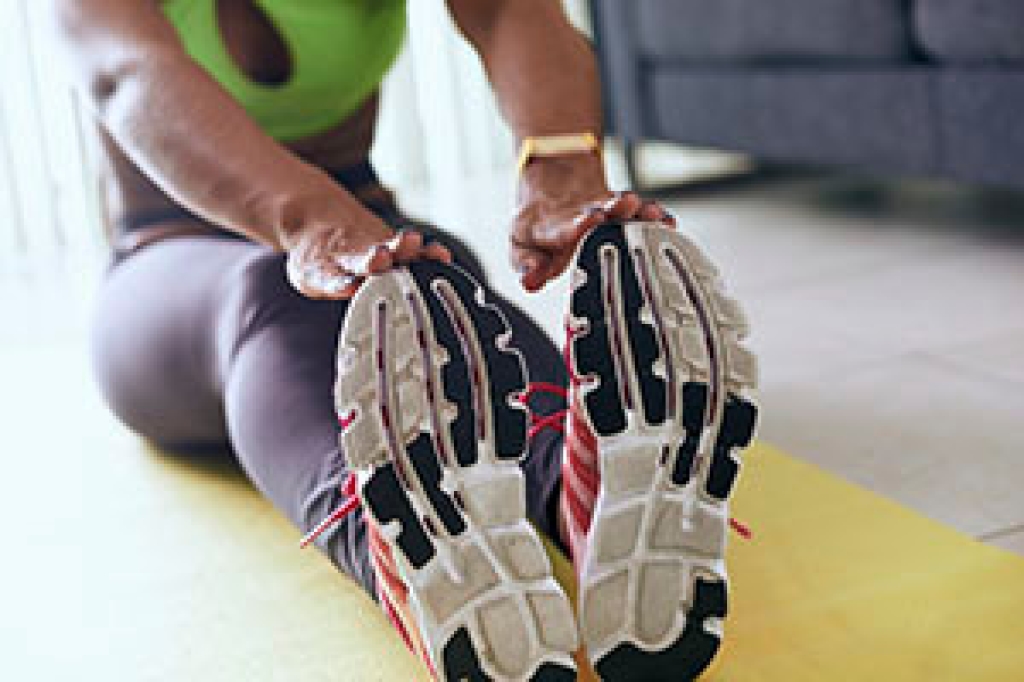
The pandemic may have contributed to the increase in running injuries that have occurred throughout the nation, and this may be a result of gyms that couldn't open. Training may have been compromised, and patients would begin to run on pavement without a proper warm-up or cool-down. Research has shown that it is easier to prevent running injuries than it is to treat them, and this can be accomplished in several ways. It is beneficial to increase speed and distance gradually, which can prepare the body for running longer distances. Stress fractures are a common injury among people who enjoy running, and many people choose to ignore the aches and pains that are associated with this type of injury. It may be prevented by wearing shoes that fit correctly and resting the body for a day between runs. Additionally, running injuries may be avoided by keeping the body strong through strength training, and high repetitions while lifting lighter weights may be effective in achieving this. If you are interested in pursuing running, it is strongly suggested that you speak with a podiatrist who can guide you toward practicing the right running injury prevention techniques. 

All runners should take extra precaution when trying to avoid injury. If you have any concerns about your feet, contact the podiatrists of Boston Common Podiatry. Our doctors will treat your foot and ankle needs.

How to Prevent Running Injuries

There are a lot of mistakes a runner can make prior to a workout that can induce injury. A lot of athletes tend to overstretch before running, instead of saving those workouts for a post-run routine. Deep lunges and hand-to-toe hamstring pulls should be performed after a workout instead of during a warmup. Another common mistake is jumping into an intense routine before your body is physically prepared for it. You should try to ease your way into long-distance running instead of forcing yourself to rush into it.

More Tips for Preventing Injury

  • Incorporate Strength Training into Workouts - This will help improve the body’s overall athleticism
  • Improve and Maintain Your Flexibility – Stretching everyday will help improve overall performance
  • “Warm Up” Before Running and “Cool Down” Afterward – A warm up of 5-10 minutes helps get rid of lactic acid in the muscles and prevents delayed muscle soreness
  • Cross-Training is Crucial
  • Wear Proper Running Shoes
  • Have a Formal Gait Analysis – Poor biomechanics can easily cause injury

If you have any questions, please feel free to contact our office located in Boston, MA . We offer the newest diagnostic and treatment technologies for all your foot care needs.
Read more about How to Prevent Running Injuries

Reminder: When Was the Last Time...?

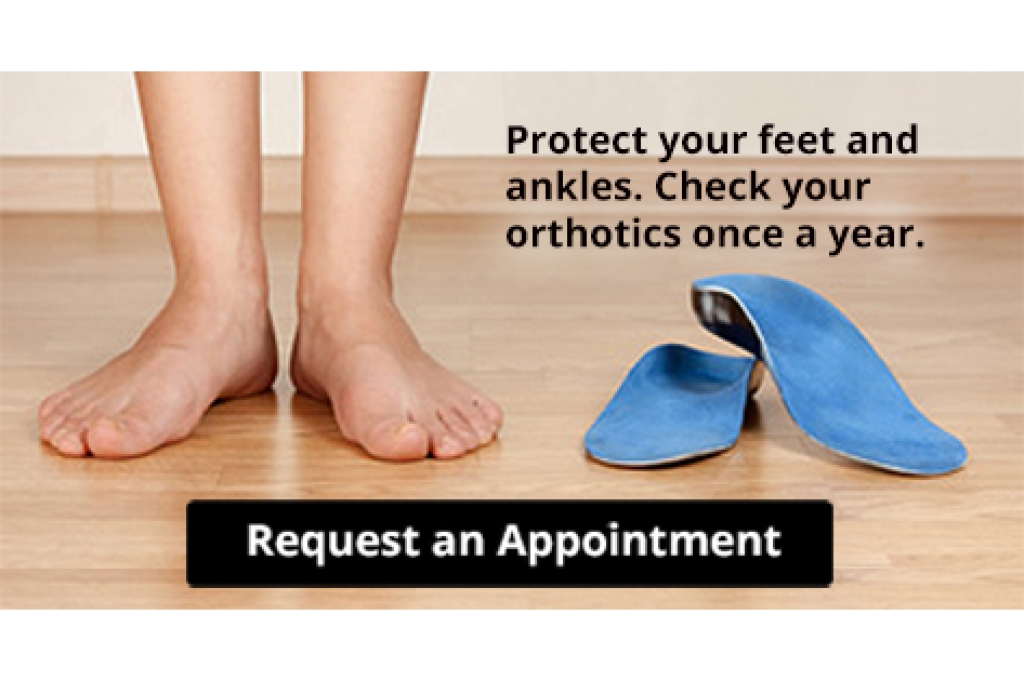
Custom orthotics, or shoe inserts, should be periodically replaced. Orthotics must fit properly to give you the best results. Protect your feet and ankles!

What Is an Ankle Avulsion Fracture?

A broken ankle is a serious injury that can cause immense pain. The tissues surrounding a broken ankle may be affected by this injury. Additionally, there are nerves, tendons, ligaments, and muscles that may be damaged, and the entire foot must recover for daily activities to resume. There are things that can be controlled that may help to accelerate healing. These can include stopping smoking, controlling existing medical conditions like diabetes, and reevaluating medication that may slow down the healing process. A specific type of ankle fracture is referred to as an ankle avulsion. This type of break can happen as a result of a small piece of the ankle bone being pulled away from the surrounding ligament or tendon. This generally happens from a sudden injury, and typically causes pain and discomfort. Swelling can be part of the healing process and can change daily based on the type of activity that is pursued, the time of day, and the position the foot is in. The swelling can be eased when the foot is frequently elevated, and the amount of rest and activity are balanced as desired. A broken ankle requires the expert medical attention of a podiatrist, and it is suggested that you consult with this type of doctor who can offer you the best treatment methods.

Broken ankles need immediate treatment. If you are seeking treatment, contact the podiatrists from Boston Common Podiatry. Our doctors can provide the care you need to keep you pain-free and on your feet. 

Broken Ankles
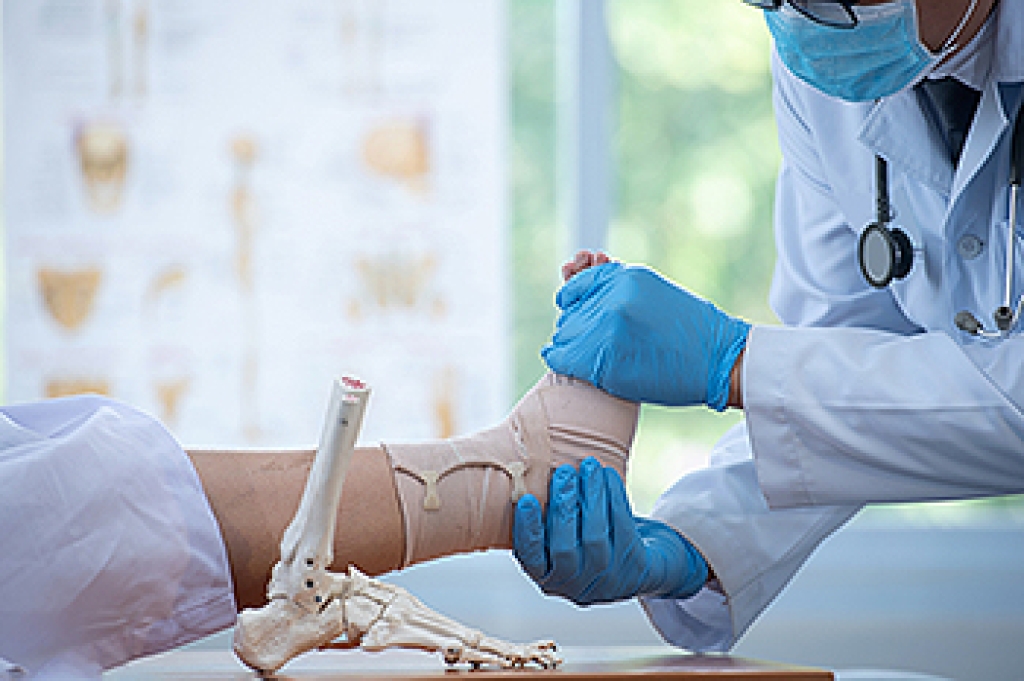
A broken ankle is experienced when a person fractures their tibia or fibula in the lower leg and ankle area. Both of these bones are attached at the bottom of the leg and combine to form what we know to be our ankle.

When a physician is referring to a break of the ankle, he or she is usually referring to a break in the area where the tibia and fibula are joined to create our ankle joint. Ankles are more prone to fractures because the ankle is an area that suffers a lot of pressure and stress. There are some obvious signs when a person experiences a fractured ankle, and the following symptoms may be present.

Symptoms of a Fractured Ankle

  • Excessive pain when the area is touched or when any pressure is placed on the ankle
  • Swelling around the area
  • Bruising of the area
  • Area appears to be deformed

If you suspect an ankle fracture, it is recommended to seek treatment as soon as possible. The sooner you have your podiatrist diagnose the fracture, the quicker you’ll be on the way towards recovery.

If you have any questions, please feel free to contact our office located in Boston, MA . We offer the newest diagnostic and treatment technologies for all your foot care needs.
Read more about All About Broken Ankles

Two Methods That Can Determine Shoe Size

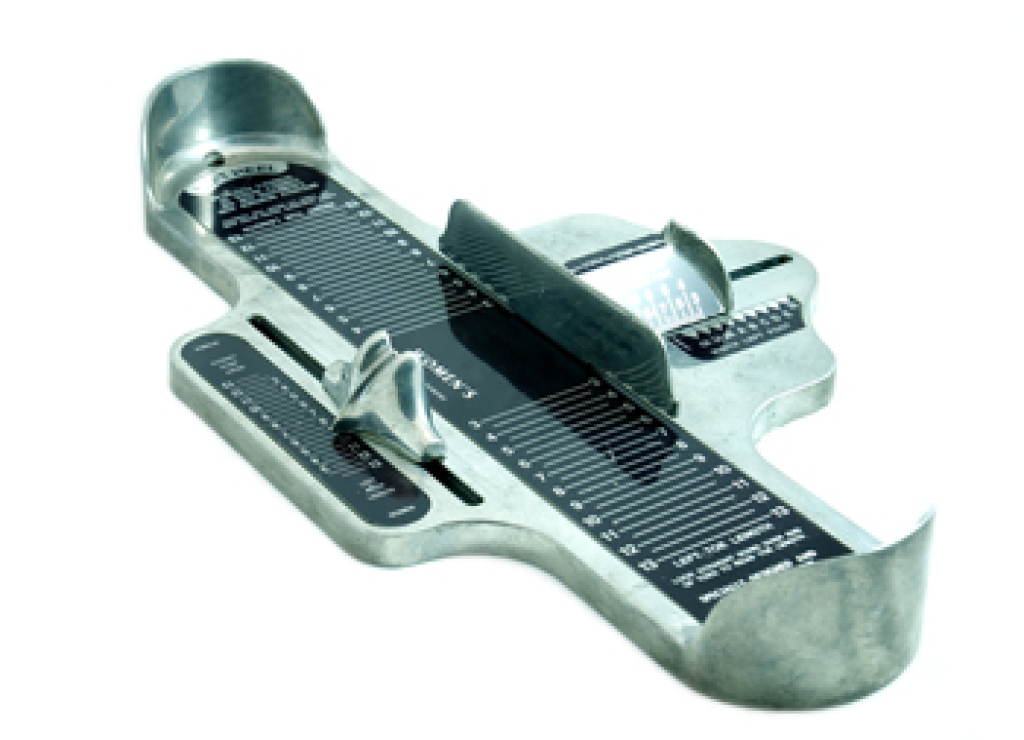
Wearing shoes that fit correctly is crucial in maintaining overall comfort while completing daily activities. Many people will try on several pairs of shoes before finding a perfect fit. It is beneficial to properly measure your feet prior to buying shoes, and this can be done by two different methods. Most shoe stores have a Brannock device, and this is generally effective in determining the correct shoe size. If this is unavailable, the foot can be measured while standing on a piece of paper. When the shoes and socks have been removed and the foot is lying flat on the floor, the foot can be traced. The results of the measurement may be more accurate when the foot is traced by someone else. Research has shown it is beneficial to purchase shoes at the end of the day when the feet are at their largest. Additionally, wearing the socks that would be worn with the intended shoes may help to ensure a proper fit. If you have questions and would like more information about how to find out your shoe size, please confer with a podiatrist.

It is important to find shoes that fit you properly in order to avoid a variety of different foot problems. For more information about treatment, contact the podiatrists from Boston Common Podiatry. Our doctors will treat your foot and ankle needs.

Proper Shoe Fitting

Shoes have many different functions. They cushion our body weight, protect our feet, and allow us to safely play sports. You should always make sure that the shoes you wear fit you properly in order to avoid injuries and deformities such as: bunions, corns, calluses, hammertoes, plantar fasciitis, stress fractures, and more. It is important to note that although a certain pair of shoes might be a great fit for someone else, that doesn’t mean they will be a great fit for you. This is why you should always try on shoes before buying them to make sure they are worth the investment. Typically, shoes need to be replaced ever six months to one year of regular use.

Tips for Proper Shoe Fitting

  • Select a shoe that is shaped like your foot
  • Don’t buy shoes that fit too tight, expecting them to stretch to fit
  • Make sure there is enough space (3/8” to ½”) for your longest toe at the end of each shoe when you are standing up
  • Walk in the shoes to make sure they fit and feel right
  • Don’t select shoes by the size marked inside the shoe, but by how the shoe fits your foot

The shoes you buy should always feel as good as they look. Shoes that fit properly will last longer, feel better, and improve your way of life each day.

If you have any questions please contact our office located in Boston, MA . We offer the newest diagnostic and treatment technologies for all your foot and ankle needs.

Read more about How to Get a Proper Shoe Fit

Shoes May Be a Source of Foot Pain While at Work

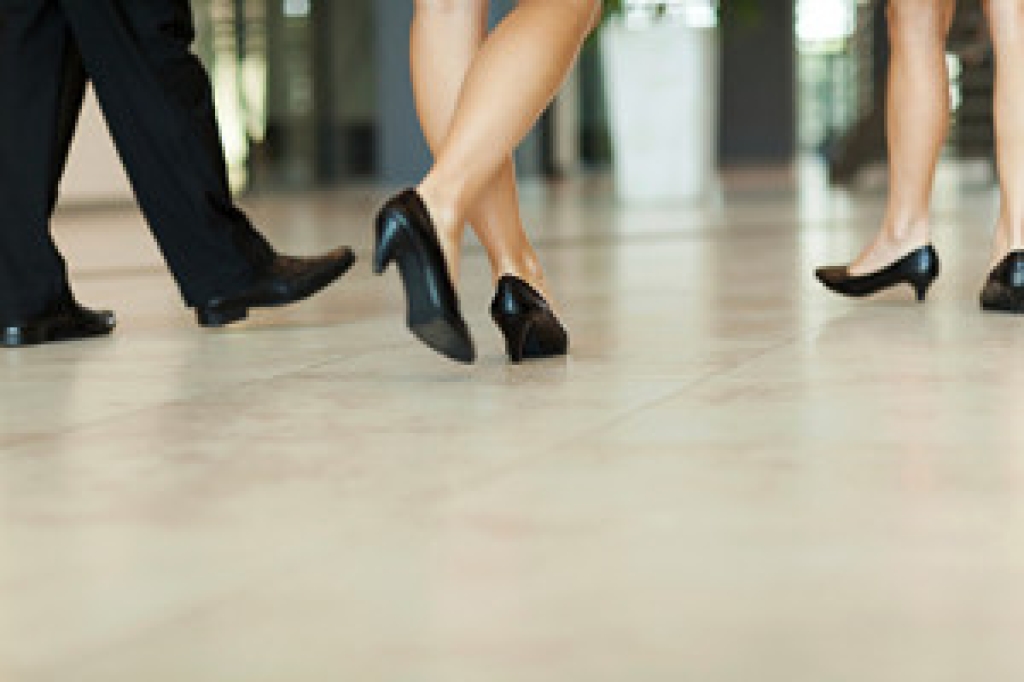
People who have foot pain at the end of the work day often realize it can be from the shoes they wear or from an inadequate work environment. There are some professions that require their employees to wear high heels, and this can have a negative impact on the feet and other areas of the body. If these types of shoes are mandatory to wear, it is beneficial to stretch the calves and toes as often as possible. Additionally, the feet can feel better when shoes that have a lower heel are worn while not working, which can give the feet and body a chance to rest. Research has shown that wearing incorrect footwear during the workday can lead to falling, and the sole of the foot may become cut or punctured. Shoes that are made of synthetic materials can cause the feet to sweat excessively, which may lead to developing a fungal infection. Many people find it helpful to keep a spare pair of shoes at work, and these can be changed when the feet begin to ache. If you would like more information about what type of shoes to wear at work that can prevent foot pain, please speak with a podiatrist. 

While working on the feet, it is important to take the proper care of them. For more information about working on your feet, contact the podiatrists from Boston Common Podiatry. Our doctors will treat your foot and ankle needs.

Working on Your Feet

Standing on your feet for long periods of time can cause stress and pain in your feet. Your whole body may experience change in terms of posture, back pain, bunions, callouses and or plantar warts. There are ways to avoid these conditions with proper foot care, smart choices and correct posture.

Positive Changes

Negative heeled shoe – Choosing this shoe type places the heel slightly lower than the ball of the foot. These are great for overall foot health. Find shoes that fit you correctly.

Go barefoot – Our feet were not designed to be enclosed for all hours of the day. Try to periodically expose your feet to air.

Eliminate Pain

Foot Exercises – Performing simple exercises, incorporating yoga and doing stretches are beneficial. This will allow increased blood flow to the area and muscles of the foot.

Achilles tendon – Stretching the foot out flat on the floor will relax the calf muscles and tendon. These exercises can be performed almost anywhere. Make sure you add these exercises to your daily regimen. 

With a little bit of this information and knowing more about foot health, you will notice changes. Foot stretches and proper footwear will help with pain and prevent further issues.

If you have any questions please contact our office located in Boston, MA . We offer the newest diagnostic and treatment technologies for all your foot and ankle needs.

Read more about How to Handle a Long Work Day on Your Feet
scroll to top