
Blog

Heel and Forefoot Pain Conditions

Inferior calcaneal bursitis is inflammation of the fluid-filled sac beneath the heel bone, causing pain when standing or walking, especially after rest. Medial and lateral plantar nerve entrapment happens when nerves in the sole of the foot become compressed. This can affect either the inner side of the sole or the outer side. This can cause burning, tingling, numbness, or shooting pain in the arch or sole that may worsen with activity. Metatarsal joint pain involves inflammation in the forefoot joints, leading to aching or sharp discomfort when bearing weight. These foot conditions may develop from overuse, improper footwear, high-impact activities, abnormal foot structure, or injury. Risk factors include prolonged standing, excess weight, and repetitive strain. If you have pain in this area of your foot, it is suggested that you consult a podiatrist who can diagnose the problem, order imaging, and recommend orthotics or footwear changes, to restore function effectively.

Foot Pain

Foot pain can be extremely painful and debilitating. If you have a foot pain, consult with the podiatrists from Boston Common Podiatry. Our doctors will assess your condition and provide you with quality foot and ankle treatment.

Causes

Foot pain is a very broad condition that could be caused by one or more ailments. The most common include:

  • Bunions
  • Hammertoes
  • Plantar Fasciitis
  • Bone Spurs
  • Corns
  • Tarsal Tunnel Syndrome
  • Ingrown Toenails
  • Arthritis (such as Gout, Rheumatoid, and Osteoarthritis)
  • Flat Feet
  • Injury (from stress fractures, broken toe, foot, ankle, Achilles tendon ruptures, and sprains)
  • And more

Diagnosis

To figure out the cause of foot pain, podiatrists utilize several different methods. This can range from simple visual inspections and sensation tests to X-rays and MRI scans. Prior medical history, family medical history, and any recent physical traumatic events will all be taken into consideration for a proper diagnosis.

Treatment

Treatment depends upon the cause of the foot pain. Whether it is resting, staying off the foot, or having surgery; podiatrists have a number of treatment options available for foot pain.

If you have any questions, please feel free to contact our office located in Boston, MA . We offer the newest diagnostic and treatment technologies for all your foot care needs.


Read more about Foot Pain

How Diabetes Puts Your Feet in Danger

Diabetes can place the feet at serious risk due to damage that affects both nerves and blood flow. Nerve damage, called peripheral neuropathy, reduces the ability to feel pain, heat, or injury, so a small cut or blister may go unnoticed. Poor circulation, or reduced blood flow, caused by diabetes can slow healing and increase the chance of infection. These problems may lead to ulcers, or open sores, that can become severe, if not treated early. Skin may also become dry and prone to cracking, creating a pathway for infection. A podiatrist can examine the feet, check sensation, assess circulation, and identify early signs of damage before complications worsen. Imaging, wound care, and pressure-relieving devices may be used to protect the feet and support healing. Regular medical evaluation plays an important role in preventing serious long-term complications. If you have foot problems related to diabetes, it is suggested that you schedule an appointment with a podiatrist to help manage the effects of this serious condition.

Limb salvage can be an effective way in preventing the need for limb amputation. If you have diabetes, cancer, or any other condition that could lead to foot amputation if left unchecked, consult with the podiatrists from Boston Common Podiatry. Our doctors will assess your condition and provide you with quality foot and ankle treatment.

What Is Limb Salvage?

Limb salvage is the attempt of saving a limb, such as the foot from amputation. Podiatrists also try to make sure that there is enough function in the foot after the salvage that it is still usable. Diabetes is the number one cause of non-traumatic amputations in the United States. Those with diabetes experience poor blood circulation, which prevents proper healing of an ulcer. If the ulcer is left uncheck, it could become infected, which could result in the need for amputation.

However, there are other causes as well, such as cancer and traumatic injury. Links between higher mortality rates and amputation have been found. This translates into higher healthcare costs, and a reduced quality of life and mobility for amputees. Podiatrists have attempted to increase the prevalence of limb salvage in an attempt to solve these issues.

Diagnosis and Treatment

Limb salvage teams have grown in recent years that utilize a number of different treatments to save the infected limb. This includes podiatrists that specialize in wound care, rehabilitation, orthotics, and surgery. Through a combination of these methods, limb salvage has been found to be an effective treatment for infected limbs, and as an alternative to amputation. Podiatrists will first evaluate the potential for limb salvage and determine if the limb can be saved or must be amputated. 

If you have any questions, please feel free to contact our office located in Boston, MA . We offer the newest diagnostic and treatment technologies for all your foot care needs.

Read more about Limb Salvage

Do Your Child's Feet Hurt?

Have your child's feet been examined lately? Healthy feet are happy feet. If your child is complaining of foot pain, it may be a sign of underlying problems.

Dangers of Compartment Syndrome

Compartment syndrome is a medical emergency that can develop in the foot after a severe injury, like a fracture or crush injury. The foot contains groups of muscles held within tight spaces called compartments, surrounded by a firm tissue known as fascia. When swelling or bleeding occurs, pressure can build inside these spaces and reduce blood flow. This limits oxygen to the muscles and nerves, leading to intense pain, swelling, and a tight or firm feeling in the foot. People may also notice numbness or tingling, often described as a pins-and-needles sensation. Pain may worsen with toe movement. If not treated quickly, compartment syndrome can lead to muscle damage, deformity, and long-term loss of foot function. A podiatrist can conduct a physical exam, order imaging, and perform surgery to relieve pressure. If you have symptoms of compartment syndrome, it is suggested that you make an immediate appointment with a podiatrist for treatment.

Foot and ankle trauma is common among athletes and the elderly. If you have concerns that you may have experienced trauma to the foot and ankle, consult with the podiatrists from Boston Common Podiatry. Our doctors will assess your condition and provide you with quality foot and ankle treatment.

Foot and ankle trauma cover a range of injuries all over the foot; common injuries include:

  • Broken bones
  • Muscle strains
  • Injuries to the tendons and ligaments
  • Stress fractures

Symptoms

Symptoms of foot and ankle injuries vary depending on the injury, but more common ones include:

  • Bruising
  • Inflammation/ Swelling
  • Pain

Diagnosis

To properly diagnose the exact type of injury, podiatrists will conduct a number of different tests. Some of these include sensation and visual tests, X-rays, and MRIs. Medical and family histories will also be taken into account.

Treatment

Once the injury has been diagnosed, the podiatrist can than offer the best treatment options for you. In less severe cases, rest and keeping pressure off the foot may be all that’s necessary. Orthotics, such as a specially made shoes, or immobilization devices, like splints or casts, may be deemed necessary. Finally, if the injury is severe enough, surgery may be necessary.

If you have any questions, please feel free to contact our office located in Boston, MA . We offer the newest diagnostic and treatment technologies for all your foot care needs.
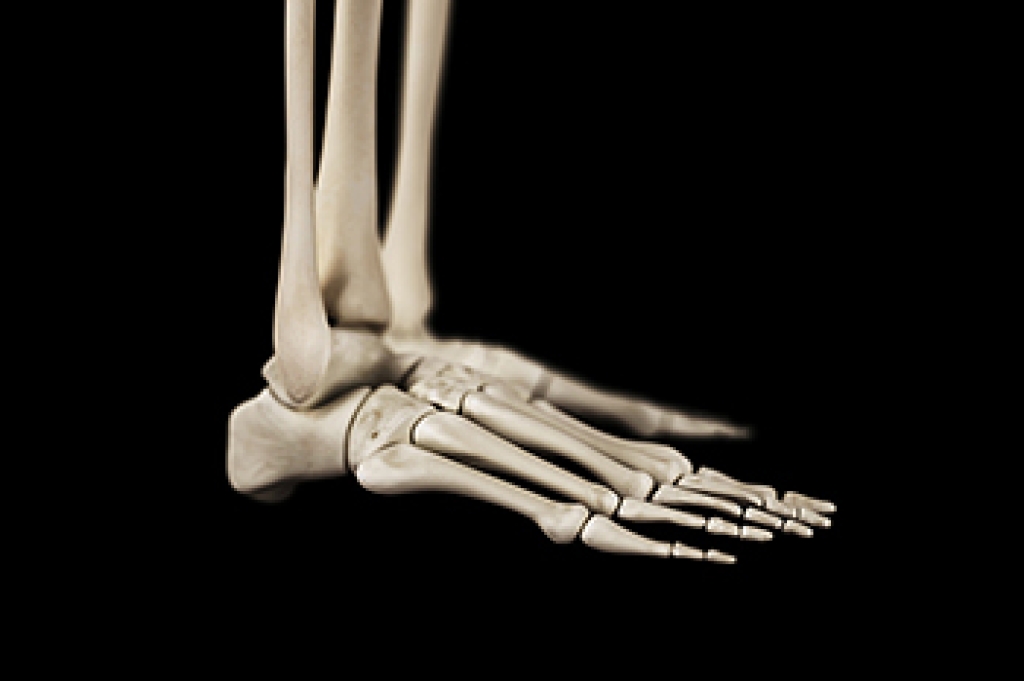
Read more about Foot and Ankle Trauma

Chronic Autoimmune Condition Affects Foot Health

A chronic autoimmune condition that causes hardening and tightening of the skin and connective tissues, affects the feet and impairs mobility. This condition, called progressive systemic sclerosis, can lead to painful joints, stiffness, and reduced foot functionality, making daily activities challenging. Risk factors include female gender, age between 30 and 50, and a family history of autoimmune disorders. Other symptoms include Raynaud's phenomenon, skin changes, and gastrointestinal difficulties. Relief is often achieved by improving foot functionality through exercises, wearing  proper footwear, orthotics, and targeted therapies. A podiatrist can assess structural changes, recommend customized treatments, and monitor foot health to reduce pain and improve mobility. If you have symptoms of this condition, it is suggested that you seek care from a  podiatrist who can offer you a proper diagnosis and appropriate care.

Some foot conditions may require additional professional care. If you have any concerns, contact the podiatrists of Boston Common Podiatry. Our doctors can provide the care you need to keep you pain-free and on your feet.

Rare Foot Conditions

The majority of foot conditions are common and can be treated by a podiatrist.  Standard diagnostic procedures are generally used to identify specific conditions and treatment can be rendered. A podiatrist also treats rare foot conditions which can be difficult to diagnose and may need extra attention and care. 

There are many rare foot conditions that can affect children. Some of these can include:

  • Freiberg’s disease
  • Kohler’s disease
  • Maffucci syndrome

Freiberg’s disease - This can be seen as a deterioration and flattening of a metatarsal bone that exists in the ball of the foot. It typically affects pre-teen and teenage girls, but can affect anyone at any age. Symptoms that can accompany this can be swelling, stiffness, and the patient may limp. 

Kohler’s disease - This often targets the bone in the arch of the foot and affects younger boys. It can lead to an interruption of the blood supply which ultimately can lead to bone deterioration. The patient may limp or experience tenderness, swelling, and redness.

Maffucci syndrome - This affects the long bones in a child’s foot leading to the development of abnormal bone lesions. They are benign growths and typically develop in early childhood and the bones may be susceptible to breaking. 

A podiatrist can properly diagnose and treat all types of rare foot conditions. If your child is affected by any of these symptoms or conditions, please don’t hesitate to call our office so the correct treatment method can begin.

If you have any questions, please feel free to contact our office located in Boston, MA . We offer the newest diagnostic and treatment technologies for all your foot care needs.

Read more about Rare Foot Conditions
scroll to top