Blog

Are Flip-Flops Damaging to My Feet?

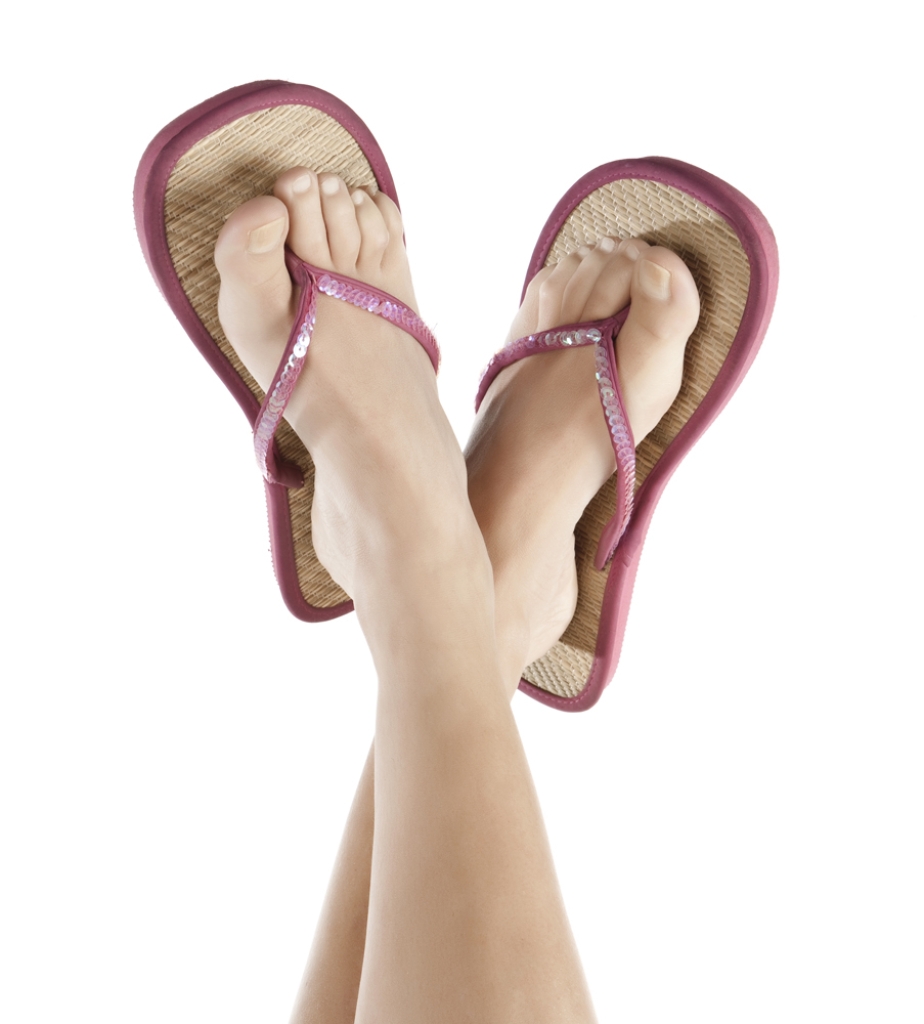
Looking ahead to the summer months, let’s talk flip-flops. Flip-flops tend to be an inexpensive, trendy, colorful, and easy-to-wear option for summer, but because there is little support they may be harmful to your feet. Possible injuries may include damage inflicted to the heel, typically causing severe pain. Additionally, the ligaments in the arch may be affected, which may result from improper support if continued over long periods of time. Spraining the ankle can be connected to lack of arch support, which may occur when rolled to one side. This can be alleviated when proper shoes are chosen for summer wear. There are several choices available for these “fun” shoes, including sandals with a supportive outer heel, cork soles in place of rubber soles, and solid straps that may help to hold the foot in place. Your feet will look good and, more importantly, feel good when the right shoes are chosen.

Flip-flops are not always the best choice of footwear. If you have any concerns about your feet or ankles, contact the podiatrists from Boston Common Podiatry. Our doctors will assist you with all of your foot and ankle needs.

Flip-Flops and Feet

When the weather starts warming up, people enjoy wearing flip-flops.  Flip-flops are comfortable, stylish, and easy to slip on and off; they're perfect for any summer beach goer.  However, these shoes can cause harm to the feet.

How Can Flip-Flops Affect Me Long-Term?

  • Ankle problems
  • Hip problems
  • Lower back problems
  • Pain in the balls of the feet
  • Problems with foot arches
  • Changes in the way you walk

Are There Injuries Associated with Flip-Flops?

Yes.  Since flip-flops are relatively weak and do not provide the same amount of support as sneakers, people who wear flip-flops regularly are more susceptible to injuries. On top of that, the open nature of the shoe makes your feet more prone to other problems, such as cuts and even infections.  Common injuries and ailments include:

  • Sprained ankles
  • Blisters
  • Infections
  • Cuts and Scrapes

I like Wearing Flip-Flops. Are There Safe Alternatives?

When buying flip-flops, try to find ones that have sturdy soles and that are made of high-quality materials that will support for your feet.  These flip-flops will cost more but will also last longer as a result.

If you have any questions, please feel free to contact our office located in Boston, MA . We offer the newest diagnostic and treatment technologies for all your foot care needs.

Read more about Flip Flops and Feet

Risk Factors for Developing Foot Corns

A foot corn is a thickened area of skin that develops from repeated friction or pressure, usually on the toes or soles. Corns form as a protective response but can become painful when they press into deeper tissues. Common causes include wearing tight shoes, abnormal foot structure, or high levels of physical activity. Symptoms often include tenderness or discomfort while walking, especially on a rough, hardened surface. People with diabetes or poor circulation are at a greater risk of complications. A podiatrist can safely remove corns, address the underlying cause, and recommend custom footwear or custom orthotics to prevent recurrence. If you have pain or difficulty walking due to corns, it is suggested that you consult a podiatrist who can provide effective relief and prevention tips.

Corns can make walking very painful and should be treated immediately. If you have questions regarding your feet and ankles, contact the podiatrists of Boston Common Podiatry. Our doctors will treat your foot and ankle needs.

Corns: What Are They? And How Do You Get Rid of Them?
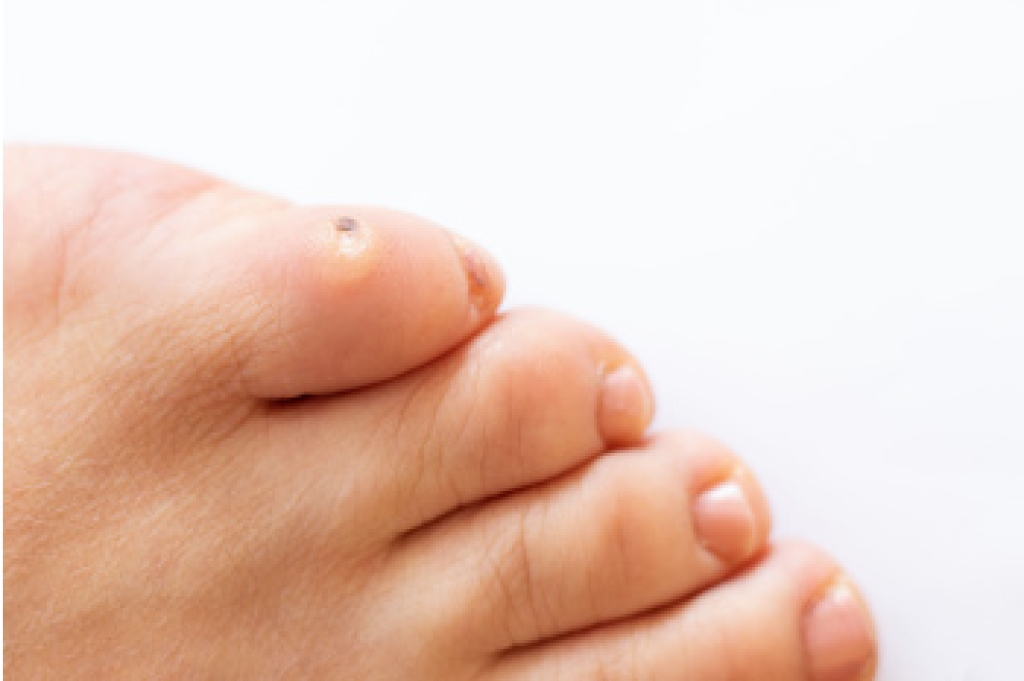
Corns are thickened areas on the skin that can become painful. They are caused by excessive pressure and friction on the skin. Corns press into the deeper layers of the skin and are usually round in shape.

Ways to Prevent Corns
There are many ways to get rid of painful corns such as:

  • Wearing properly fitting shoes that have been measured by a professional
  • Wearing shoes that are not sharply pointed or have high heels
  • Wearing only shoes that offer support

Treating Corns

Although most corns slowly disappear when the friction or pressure stops, this isn’t always the case. Consult with your podiatrist to determine the best treatment option for your case of corns.

If you have any questions, please feel free to contact our office located in Boston, MA . We offer the newest diagnostic and treatment technologies for all your foot care needs.
Read more about Corns: What Are They, and How Do You Get Rid of Them

Causes of a Sprained Toe

A sprained toe, also known as turf toe, happens when the ligaments surrounding the big toe joint are overstretched or torn. This injury often results from forceful upward bending of the toe during sports or sudden movements. Symptoms include swelling, bruising, limited mobility, and a feeling of imbalance while walking. Risk factors include arthritis, gout, previous toe sprains, and high impact sports. A podiatrist can assess the injury, provide imaging, if needed, recommend supportive footwear or custom orthotics, and design a recovery plan to restore strength and flexibility. Early care prevents chronic pain and stiffness.  If you have symptoms of a sprained toe, it is suggested that you consult a podiatrist for expert advice and appropriate treatment solutions.

Toe pain can disrupt your daily activities. If you have any concerns, contact the podiatrists of Boston Common Podiatry. Our doctors can provide the care you need to keep you pain-free and on your feet.

What Causes Toe Pain?

Most severe toe pain is caused due to a sports injury, trauma from dropping something heavy on the toe, or bumping into something rigid. Other problems can develop over time for various reasons.

Toe pain can be caused by one or more ailments. The most common include:

  • Trauma
  • Sports injury
  • Wearing shoes that are too tight
  • Arthritis
  • Gout
  • Corns and calluses
  • Hammertoe
  • Bunions
  • Blisters
  • Ingrown toenails
  • Sprains
  • Fractures (broken bones)
  • Dislocations

When to See a Podiatrist

  • Severe pain
  • Persistent pain that lasts more than a week
  • Signs of infection
  • Continued swelling
  • Pain that prevents walking

Diagnosis

In many cases the cause of toe pain is obvious, but in others, a podiatrist may want to use more advanced methods to determine the problem. These can range from simple visual inspections and sensation tests to X-rays and MRI scans. Prior medical history, family medical history, and any recent physical traumatic events will all be taken into consideration for a proper diagnosis.

Treatment

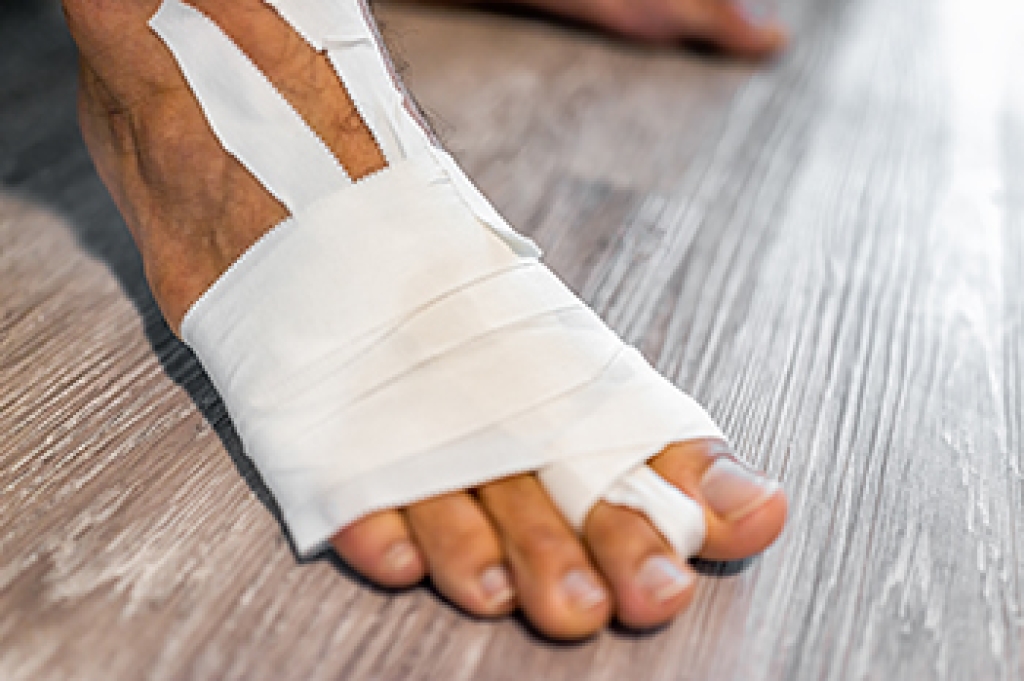
Treatments for toe pain and injuries vary and may include shoe inserts, padding, taping, medicines, injections, and in some cases, surgery. If you believe that you have broken a toe, please see a podiatrist as soon as possible.

If you have any questions please contact our office located in Boston, MA . We offer the newest diagnostic and treatment technologies for all your foot and ankle needs.

Read more about Toe Pain

Preventing Falls in the Workplace

Preventing falls at work begins with maintaining a safe environment and following proper safety practices. Regularly inspecting work areas for hazards, using the right equipment, and following safety procedures reduces the risk of slips and trips. Wearing proper footwear with good traction and support is essential, especially in environments with uneven surfaces or wet floors. Being aware of weather conditions, such as rain or ice, helps prevent outdoor accidents. A podiatrist can assess foot health, recommend supportive shoes or custom orthotics, and address pain or balance issues that may increase fall risk. It is suggested that you schedule an appointment today with a podiatrist for foot care that supports safety and stability at work.

Preventing falls among the elderly is very important. If you are older and have fallen or fear that you are prone to falling, consult with the podiatrists from Boston Common Podiatry. Our doctors will assess your condition and provide you with quality advice and care.

Every 11 seconds, an elderly American is being treated in an emergency room for a fall related injury. Falls are the leading cause of head and hip injuries for those 65 and older. Due to decreases in strength, balance, senses, and lack of awareness, elderly persons are very susceptible to falling. Thankfully, there are a number of things older persons can do to prevent falls.

How to Prevent Falls

Some effective methods that older persons can do to prevent falls include:

  • Enrolling in strength and balance exercise program to increase balance and strength
  • Periodically having your sight and hearing checked
  • Discuss any medications you have with a doctor to see if it increases the risk of falling
  • Clearing the house of falling hazards and installing devices like grab bars and railings
  • Utilizing a walker or cane
  • Wearing shoes that provide good support and cushioning
  • Talking to family members about falling and increasing awareness

Falling can be a traumatic and embarrassing experience for elderly persons; this can make them less willing to leave the house, and less willing to talk to someone about their fears of falling. Doing such things, however, will increase the likelihood of tripping or losing one’s balance. Knowing the causes of falling and how to prevent them is the best way to mitigate the risk of serious injury.  

If you have any questions, please feel free to contact our office located in Boston, MA . We offer the newest diagnostic and treatment technologies for all your foot care needs.

Read more about Falls Prevention
scroll to top