Blog

Managing an Infected Blister

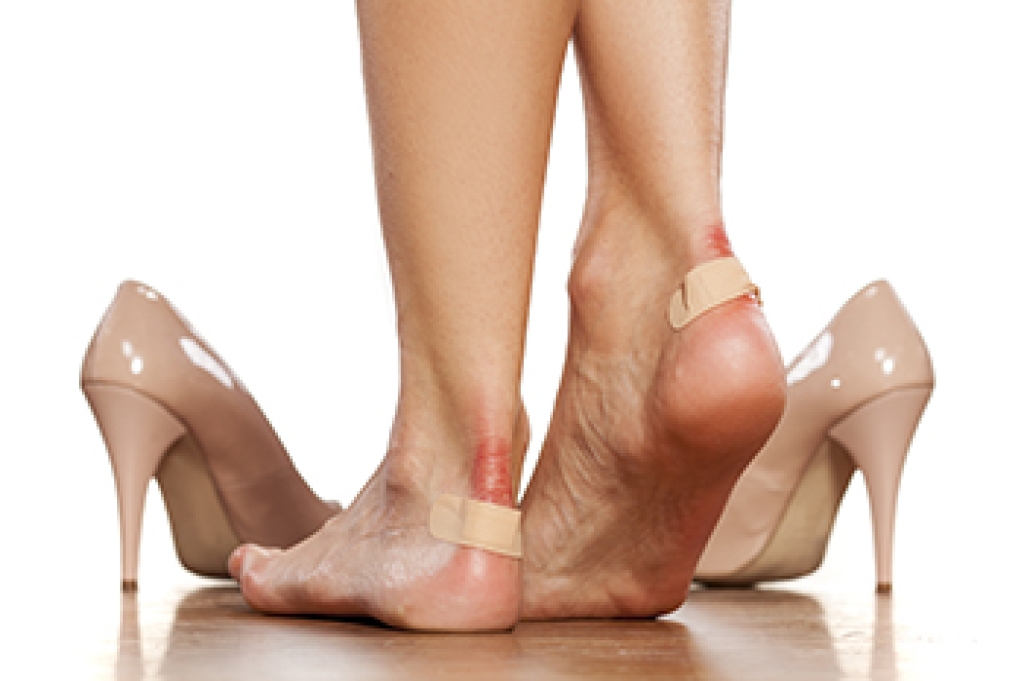
Blisters, often caused by friction from wearing ill-fitting shoes, are fluid-filled bubbles that protect injured skin. While they generally heal on their own, blisters can become infected if the protective skin breaks. An infected blister may feel warm, produce pus, and emit a foul odor. Other symptoms can include increased pain, swelling, and bleeding. Without proper care, an infected blister can lead to serious complications like cellulitis or sepsis, both of which require urgent medical attention. It is important to keep the blister clean and monitor it closely for signs of infection. If an infection is suspected, a podiatrist can provide the appropriate treatment, which might involve draining the blister and prescribing antibiotics or antifungal medications. Podiatrists are equipped to manage and treat infected blisters effectively, ensuring proper healing and preventing further health risks. If you have a foot blister that has become infected, it is suggested that you schedule an appointment with a podiatrist for an exam and treatment options.

Blisters are prone to making everyday activities extremely uncomfortable. If your feet are hurting, contact the podiatrists of Boston Common Podiatry. Our doctors can provide the care you need to keep you pain-free and on your feet.

Foot Blisters

Foot blisters develop as a result of constantly wearing tight or ill-fitting footwear. This happens due to the constant rubbing from the shoe, which can often lead to pain.

What Are Foot Blisters?

A foot blister is a small fluid-filled pocket that forms on the upper-most layer of the skin. Blisters are filled with clear fluid and can lead to blood drainage or pus if the area becomes infected.

How Do Blisters Form?

Blisters on the feet are often the result of constant friction of skin and material, usually by shoe rubbing. Walking in sandals, boots, or shoes that don’t fit properly for long periods of time can result in a blister. Having consistent foot moisture and humidity can easily lead to blister formation.

Prevention & Treatment

It is important to properly care for the affected area in order to prevent infection and ease the pain. Do not lance the blister and use a Band-Aid to provide pain relief. Also, be sure to keep your feet dry and wear proper fitting shoes. If you see blood or pus in a blister, seek assistance from a podiatrist.

If you have any questions, please feel free to contact our office located in Boston, MA . We offer the newest diagnostic and treatment technologies for all your foot care needs.

Read more about Blisters on the Feet

Gout Pain Can Be Managed

Gout is a painful, inflammatory form of arthritis. Those affected will typically feel an intense stiffness in the joints of their feet, particularly in the big toe. Schedule a visit to learn about how gout can be managed and treated.

Managing Diabetic Foot Ulcers

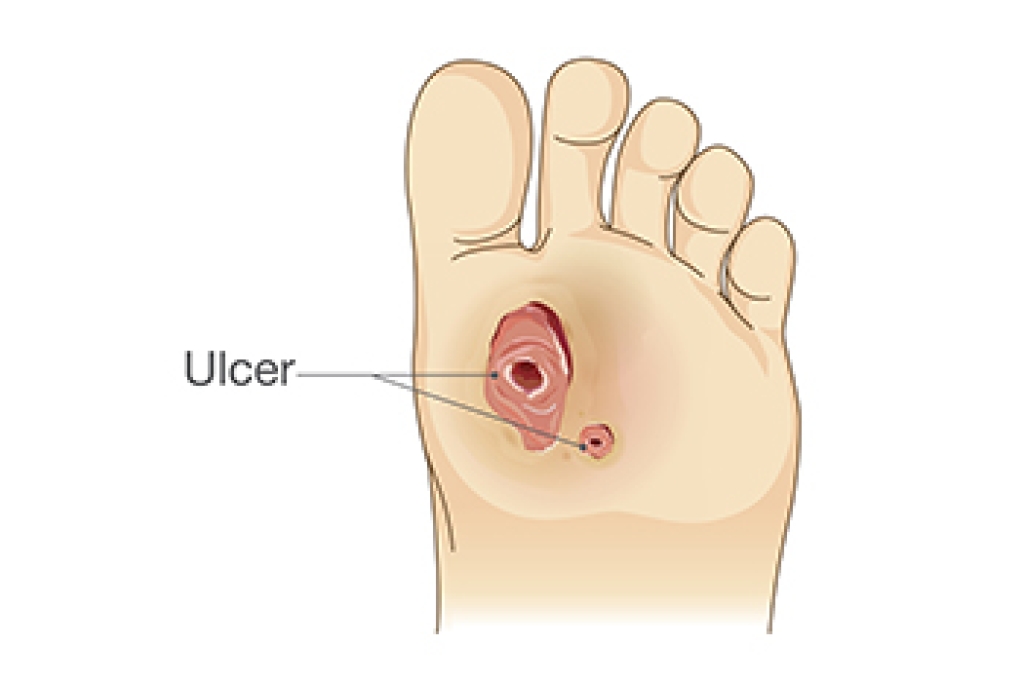
Diabetic foot wounds are a significant concern for individuals managing diabetes, with up to a third of patients developing foot problems during their lifetime. Early signs include dry skin and calluses, which can progress to poorly healing ulcers on the feet or toes. These complications arise from nerve and blood vessel damage that results from high blood sugar levels over a long period. Factors like wearing tight shoes, foot deformities, and thick calluses can increase the risk. This damage reduces the foot's sensitivity to pressure and injuries, leading to unnoticed and untreated wounds that are slow to heal. Preventive measures, such as proper foot care, wearing well-fitting shoes, and avoiding injuries, are essential in reducing the risk of diabetic ulcers. Regular visits to a podiatrist play an essential role in the early detection and management of diabetic foot problems. Podiatrists can provide comprehensive care, including examining the skin, assessing blood flow, and testing nerve sensitivity, which may prevent minor issues from developing into severe complications. If you are suffering from diabetic foot complications, it is suggested that you schedule an appointment with a podiatrist for an exam, diagnosis, and treatment options.

Diabetic foot care is important in preventing foot ailments such as ulcers. If you are suffering from diabetes or have any other concerns about your feet, contact the podiatrists from Boston Common Podiatry. Our doctors can provide the care you need to keep you pain-free and on your feet.

Diabetic Foot Care

Diabetes affects millions of people every year. The condition can damage blood vessels in many parts of the body, especially the feet. Because of this, taking care of your feet is essential if you have diabetes, and having a podiatrist help monitor your foot health is highly recommended.

The Importance of Caring for Your Feet

  • Routinely inspect your feet for bruises or sores.
  • Wear socks that fit your feet comfortably.
  • Wear comfortable shoes that provide adequate support.

Patients with diabetes should have their doctor monitor their blood levels, as blood sugar levels play such a huge role in diabetic care. Monitoring these levels on a regular basis is highly advised.

It is always best to inform your healthcare professional of any concerns you may have regarding your feet, especially for diabetic patients. Early treatment and routine foot examinations are keys to maintaining proper health, especially because severe complications can arise if proper treatment is not applied.

If you have any questions, please feel free to contact our office located in Boston, MA . We offer the newest diagnostic and treatment technologies for all your foot care needs.

Read more about Diabetic Foot Care

What Is Morton’s Neuroma?

Morton's neuroma is a painful condition affecting the ball of the foot, resulting from a thickening of tissue around a nerve, often between the third and fourth toes. Symptoms include a burning sensation, tingling, or numbness in the affected area, along with the feeling of a small pebble or lump underfoot. Pain may worsen with activity or wearing tight shoes. Treatment options for Morton's neuroma focus on relieving pressure on the affected nerve. This includes wearing shoes with a wider toe box or adding padding to support the arch and alleviate pressure. Avoiding activities that worsen symptoms also helps. Podiatrists may recommend corticosteroid injections to reduce inflammation, or in severe cases, surgical removal of the neuroma. Early intervention ensures effective management, relieving discomfort and restoring foot function. Visiting a podiatrist is suggested for a precise diagnosis and personalized treatment plan.

Morton’s neuroma is a very uncomfortable condition to live with. If you think you have Morton’s neuroma, contact the podiatrists of Boston Common Podiatry. Our doctors will attend to all of your foot care needs and answer any of your related questions.  

Morton’s Neuroma

Morton's neuroma is a painful foot condition that commonly affects the areas between the second and third or third and fourth toe, although other areas of the foot are also susceptible. Morton’s neuroma is caused by an inflamed nerve in the foot that is being squeezed and aggravated by surrounding bones.

What Increases the Chances of Having Morton’s Neuroma?

  • Ill-fitting high heels or shoes that add pressure to the toe or foot
  • Jogging, running or any sport that involves constant impact to the foot
  • Flat feet, bunions, and any other foot deformities

Morton’s neuroma is a very treatable condition. Orthotics and shoe inserts can often be used to alleviate the pain on the forefront of the feet. In more severe cases, corticosteroids can also be prescribed. In order to figure out the best treatment for your neuroma, it’s recommended to seek the care of a podiatrist who can diagnose your condition and provide different treatment options.

If you have any questions, please feel free to contact our office located in Boston, MA . We offer the newest diagnostic and treatment technologies for all your foot care needs.

Read more about Morton's Neuroma

Peripheral Neuropathy and Its Impact on the Feet

Peripheral neuropathy results from damage to the peripheral nerves, which transmit signals between the central nervous system and the rest of the body. This damage often leads to numbness, tingling, burning, and sharp pain in the feet. Diabetic neuropathy occurs in individuals with diabetes as a result of prolonged high blood sugar levels that damage the nerves. Symptoms in the feet may include a loss of sensation, making it difficult to detect injuries or a feeling of wearing tight socks when barefoot. These symptoms can significantly impact balance and mobility, increasing the risk of falls and infections. Proper management of blood sugar levels, in addition to medications and lifestyle changes, may help to alleviate symptoms of neuropathy. If you are experiencing any of the above symptoms, it is suggested that you confer with a podiatrist who can help you to manage this condition.

Neuropathy

Neuropathy can be a potentially serious condition, especially if it is left undiagnosed. If you have any concerns that you may be experiencing nerve loss in your feet, consult with the podiatrists from Boston Common Podiatry. Our doctors will assess your condition and provide you with quality foot and ankle treatment for neuropathy.

What Is Neuropathy?

Neuropathy is a condition that leads to damage to the nerves in the body. Peripheral neuropathy, or neuropathy that affects your peripheral nervous system, usually occurs in the feet. Neuropathy can be triggered by a number of different causes. Such causes include diabetes, infections, cancers, disorders, and toxic substances.

Symptoms of Neuropathy Include:

  • Numbness
  • Sensation loss
  • Prickling and tingling sensations
  • Throbbing, freezing, burning pains
  • Muscle weakness

Those with diabetes are at serious risk due to being unable to feel an ulcer on their feet. Diabetics usually also suffer from poor blood circulation. This can lead to the wound not healing, infections occurring, and the limb may have to be amputated.

Treatment

To treat neuropathy in the foot, podiatrists will first diagnose the cause of the neuropathy. Figuring out the underlying cause of the neuropathy will allow the podiatrist to prescribe the best treatment, whether it be caused by diabetes, toxic substance exposure, infection, etc. If the nerve has not died, then it’s possible that sensation may be able to return to the foot.

Pain medication may be issued for pain. Electrical nerve stimulation can be used to stimulate nerves. If the neuropathy is caused from pressure on the nerves, then surgery may be necessary.

If you have any questions, please feel free to contact our office located in Boston, MA . We offer the newest diagnostic and treatment technologies for all your foot care needs.

Read more about Neuropathy
scroll to top