Blog

Diabetic Foot Infections

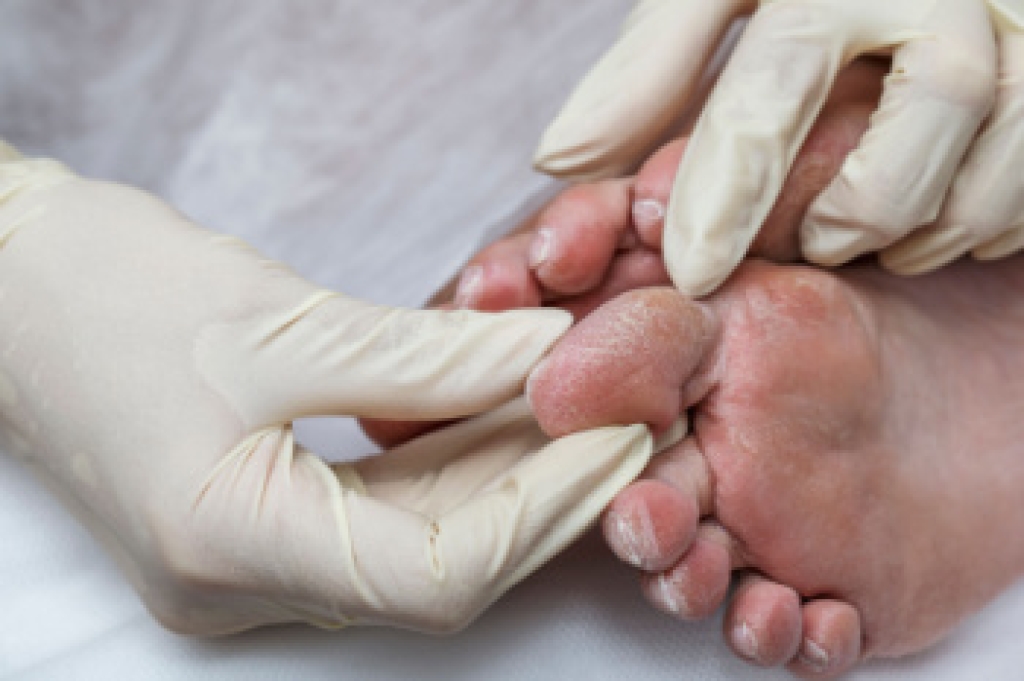
Diabetic foot infections are a serious complication of diabetes that can last weeks or even months, if not treated properly. High blood sugar levels can damage nerves and reduce blood flow, making it harder for wounds to heal and increasing the risk of infection. Symptoms may include redness, swelling, warmth, foul odor, drainage, or even blackened skin in severe cases. You may not always feel pain due to nerve damage, so regular foot checks are essential. Infections often start from small cuts, blisters, or ulcers that go unnoticed and worsen over time. A podiatrist plays a vital role in managing diabetic foot infections. They can perform wound care, remove infected tissue, prescribe antibiotics, recommend diabetic-friendly footwear, and monitor healing. In advanced cases, hospitalization or surgery may be necessary to prevent the spread of infection. If you have diabetes and are dealing with foot infections, it is suggested that you are under the care of a podiatrist.

Diabetic foot care is important in preventing foot ailments such as ulcers. If you are suffering from diabetes or have any other concerns about your feet, contact the podiatrists from Boston Common Podiatry. Our doctors can provide the care you need to keep you pain-free and on your feet.

Diabetic Foot Care

Diabetes affects millions of people every year. The condition can damage blood vessels in many parts of the body, especially the feet. Because of this, taking care of your feet is essential if you have diabetes, and having a podiatrist help monitor your foot health is highly recommended.

The Importance of Caring for Your Feet

  • Routinely inspect your feet for bruises or sores.
  • Wear socks that fit your feet comfortably.
  • Wear comfortable shoes that provide adequate support.

Patients with diabetes should have their doctor monitor their blood levels, as blood sugar levels play such a huge role in diabetic care. Monitoring these levels on a regular basis is highly advised.

It is always best to inform your healthcare professional of any concerns you may have regarding your feet, especially for diabetic patients. Early treatment and routine foot examinations are keys to maintaining proper health, especially because severe complications can arise if proper treatment is not applied.

If you have any questions, please feel free to contact our office located in Boston, MA . We offer the newest diagnostic and treatment technologies for all your foot care needs.

Read more about Diabetic Foot Care

Challenges of Diagnosing Morton's Neuroma

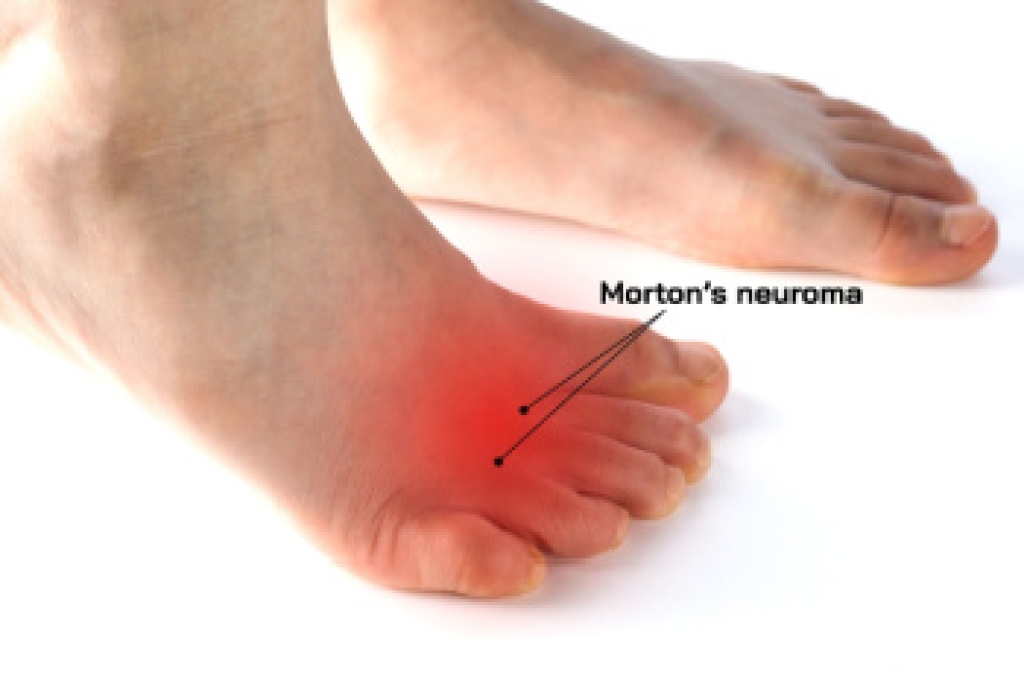
Morton's neuroma is a painful condition involving a thickening of tissue around a nerve in the ball of the foot, often between the third and fourth toes. One of the main challenges in diagnosing it is that the symptoms can mimic other foot problems such as metatarsalgia, stress fractures, or nerve-related issues. People may describe a burning feeling, tingling, or the sense of stepping on a pebble, but the pain may come and go, making it harder to pinpoint. Physical exams and imaging sometimes miss the neuroma, especially in early stages. Patients may go through multiple treatments for the wrong condition before receiving an accurate diagnosis. A thorough evaluation by a podiatrist, including listening closely to symptoms and examining foot structure and pressure points, is essential. If foot pain persists without a clear cause, it is suggested you see a podiatrist for an accurate diagnosis and appropriate treatment.

Morton’s neuroma is a very uncomfortable condition to live with. If you think you have Morton’s neuroma, contact the podiatrists of Boston Common Podiatry. Our doctors will attend to all of your foot care needs and answer any of your related questions.  

Morton’s Neuroma

Morton's neuroma is a painful foot condition that commonly affects the areas between the second and third or third and fourth toe, although other areas of the foot are also susceptible. Morton’s neuroma is caused by an inflamed nerve in the foot that is being squeezed and aggravated by surrounding bones.

What Increases the Chances of Having Morton’s Neuroma?

  • Ill-fitting high heels or shoes that add pressure to the toe or foot
  • Jogging, running or any sport that involves constant impact to the foot
  • Flat feet, bunions, and any other foot deformities

Morton’s neuroma is a very treatable condition. Orthotics and shoe inserts can often be used to alleviate the pain on the forefront of the feet. In more severe cases, corticosteroids can also be prescribed. In order to figure out the best treatment for your neuroma, it’s recommended to seek the care of a podiatrist who can diagnose your condition and provide different treatment options.

If you have any questions, please feel free to contact our office located in Boston, MA . We offer the newest diagnostic and treatment technologies for all your foot care needs.
Read more about What is Morton's Neuroma?

Why Live with Pain and Numbness in Your Feet?

Suffering from this type of pain? You may have the foot condition known as Morton's neuroma. Morton's neuroma may develop as a result of ill-fitting footwear and existing foot deformities. We can help.

Protecting Your Achilles Tendon While Playing Pickleball

Playing pickleball can be a fun and active way to stay fit, but protecting your Achilles tendon is essential to avoid injury. One of the most effective ways to safeguard this area is by staying limber through regular stretching, which helps maintain flexibility and reduces strain. Begin each session with a proper warm-up to gradually prepare your muscles and tendons for movement. Move at a slow and steady pace, especially if you are new to the sport or returning after a break. Wearing shoes that provide good support and cushioning can prevent undue stress on your heel and Achilles tendon. Additionally, eating right by maintaining a balanced diet supports tendon health and recovery. If you have sustained an Achilles tendon injury while playing pickleball, it is suggested that you promptly contact a podiatrist who can treat this condition as quickly as possible, allowing you to return to play.

Ankle and foot injuries are common among athletes and in many sports. They can be caused by several problems and may be potentially serious. If you are feeling pain or think you were injured in a sporting event or when exercising, consult with the podiatrists from Boston Common Podiatry. Our doctors will assess your condition and provide you with quality foot and ankle treatment.

Common Injuries

The most common injuries that occur in sporting activities include:

  • Achilles Tendonitis
  • Achilles Tendon Rupture
  • Ankle Sprains
  • Broken Foot
  • Plantar Fasciitis
  • Stress Fractures
  • Turf Toe

Symptoms

Symptoms vary depending upon the injury and in some cases, there may be no symptoms at all. However, in most cases, some form of symptom is experienced. Pain, aching, burning, bruising, tenderness, tightness or stiffness, sensation loss, difficulty moving, and swelling are the most common symptoms.

Treatment

Just as symptoms vary depending upon the injury, so do treatment options. A common treatment method is known as the RICE method. This method involves rest, applying ice, compression and elevating the afflicted foot or ankle. If the injury appears to be more serious, surgery might be required, such as arthroscopic or reconstructive surgery. Lastly, rehabilitation or therapy might be needed to gain full functionality in the afflicted area. Any discomfort experienced by an athlete must be evaluated by a licensed, reputable medical professional.  

If you have any questions please contact our office located in Boston, MA . We offer the newest diagnostic and treatment technologies for all your foot and ankle needs.

Read more about Sports Related Foot And Ankle Injuries

Managing Foot Cramps

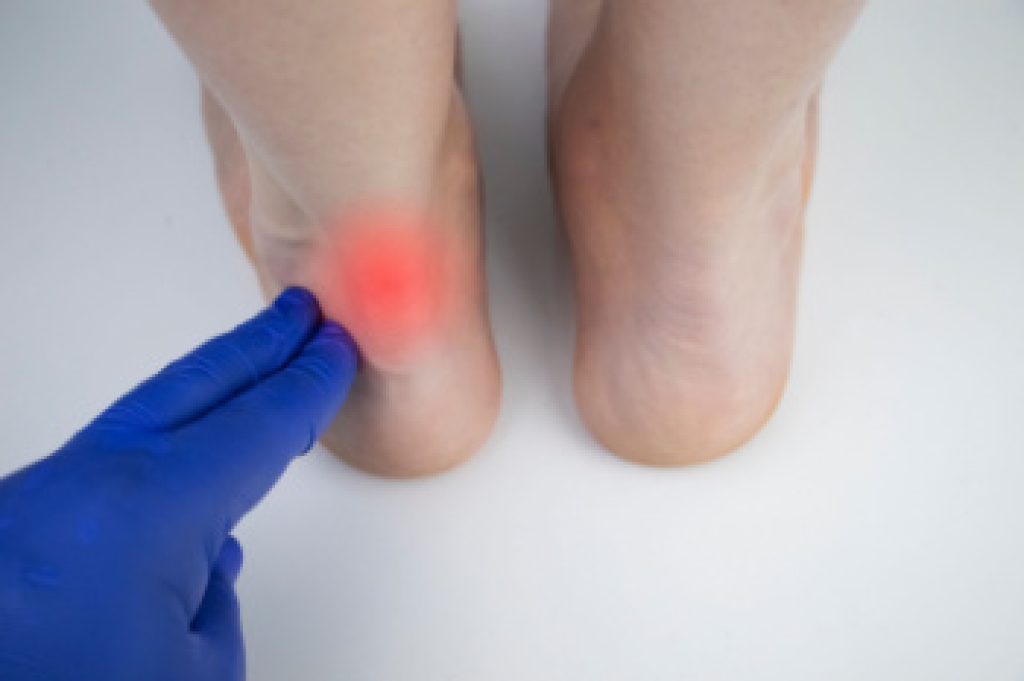
Foot cramps are sudden, involuntary muscle spasms that can cause sharp, intense pain in the feet or toes. These cramps can last from a few seconds to several minutes, and may feel like the muscles are tight, knotted, or twitching. Common causes include physical activity, prolonged standing, dehydration, medication side effects, or underlying health conditions like nerve issues or circulation problems. Poorly fitting shoes and lack of support can also trigger foot cramps, especially during exercise or at night. While most cramps go away with gentle stretching, massaging, or walking, frequent or severe cramps may signal an underlying issue. A podiatrist can assess your symptoms, review your medical history, and recommend proper footwear, orthotics, stretching routines, or hydration strategies. They may also evaluate for circulatory or nerve-related causes and suggest treatments accordingly. If you have foot cramps, it is suggested that you schedule an appointment to see a podiatrist.

Foot Pain

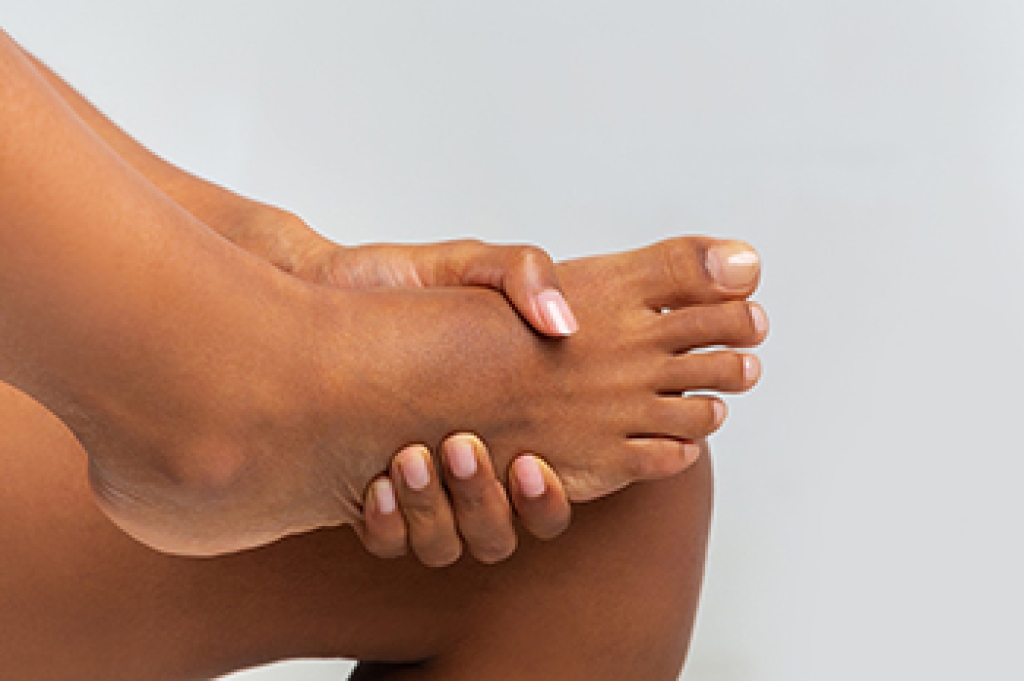
Foot pain can be extremely painful and debilitating. If you have a foot pain, consult with the podiatrists from Boston Common Podiatry. Our doctors will assess your condition and provide you with quality foot and ankle treatment.

Causes

Foot pain is a very broad condition that could be caused by one or more ailments. The most common include:

  • Bunions
  • Hammertoes
  • Plantar Fasciitis
  • Bone Spurs
  • Corns
  • Tarsal Tunnel Syndrome
  • Ingrown Toenails
  • Arthritis (such as Gout, Rheumatoid, and Osteoarthritis)
  • Flat Feet
  • Injury (from stress fractures, broken toe, foot, ankle, Achilles tendon ruptures, and sprains)
  • And more

Diagnosis

To figure out the cause of foot pain, podiatrists utilize several different methods. This can range from simple visual inspections and sensation tests to X-rays and MRI scans. Prior medical history, family medical history, and any recent physical traumatic events will all be taken into consideration for a proper diagnosis.

Treatment

Treatment depends upon the cause of the foot pain. Whether it is resting, staying off the foot, or having surgery; podiatrists have a number of treatment options available for foot pain.

If you have any questions, please feel free to contact our office located in Boston, MA . We offer the newest diagnostic and treatment technologies for all your foot care needs.
Read more about Foot Pain
scroll to top