Your feet are covered most of the day. If you're diabetic, periodic screening is important for good health. Numbness is often a sign of diabetic foot and can mask a sore or wound.
Your feet are covered most of the day. If you're diabetic, periodic screening is important for good health. Numbness is often a sign of diabetic foot and can mask a sore or wound.
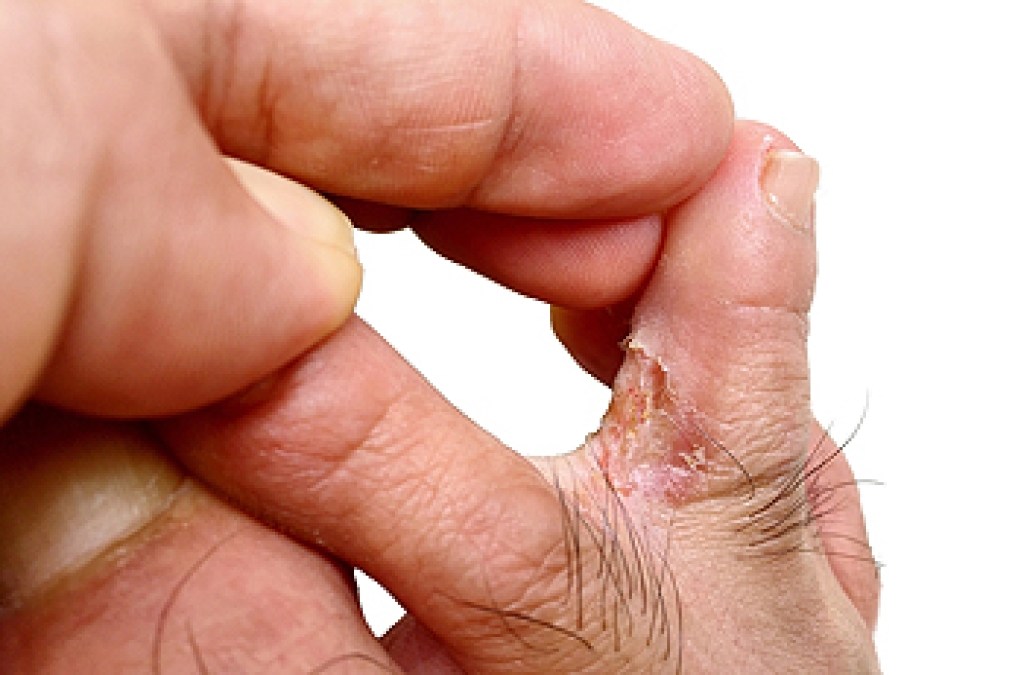 A corn can form on different parts of the foot as a result of excess friction. It is defined as a hard, thickened area, and will typically cause severe pain and discomfort. If the shoes that are worn do not fit properly, a corn may form on the inside of the pinky toe. Relief may be found if a pad is worn over the affected area. Additionally, it may help to soak the affected foot in warm water, as this may aid in softening the corn. Afterward, a pumice stone can be used in gently filing the corn to remove any dead skin. When toenails are properly trimmed, pressure may be avoided from the nail touching the skin, and this may help to prevent corns from developing. If you are afflicted with corns, it is suggested that you seek the counsel of a podiatrist who can assist you in choosing the proper treatment.
If you have any concerns regarding your feet and ankles, contact the podiatrists of Boston Common Podiatry. Our doctors will treat your foot and ankle needs.
Corns: What Are They? and How Do You Get Rid of Them?
Corns can be described as areas of the skin that have thickened to the point of becoming painful or irritating. They are often layers and layers of the skin that have become dry and rough, and are normally smaller than calluses.
Ways to Prevent Corns
There are many ways to get rid of painful corns such as wearing:
Treating Corns
Treatment of corns involves removing the dead skin that has built up in the specific area of the foot. Consult with Our doctors to determine the best treatment option for your case of corns.
If you have any questions, please feel free to contact our office located in Boston, MA . We offer the newest diagnostic and treatment technologies for all your foot care needs.
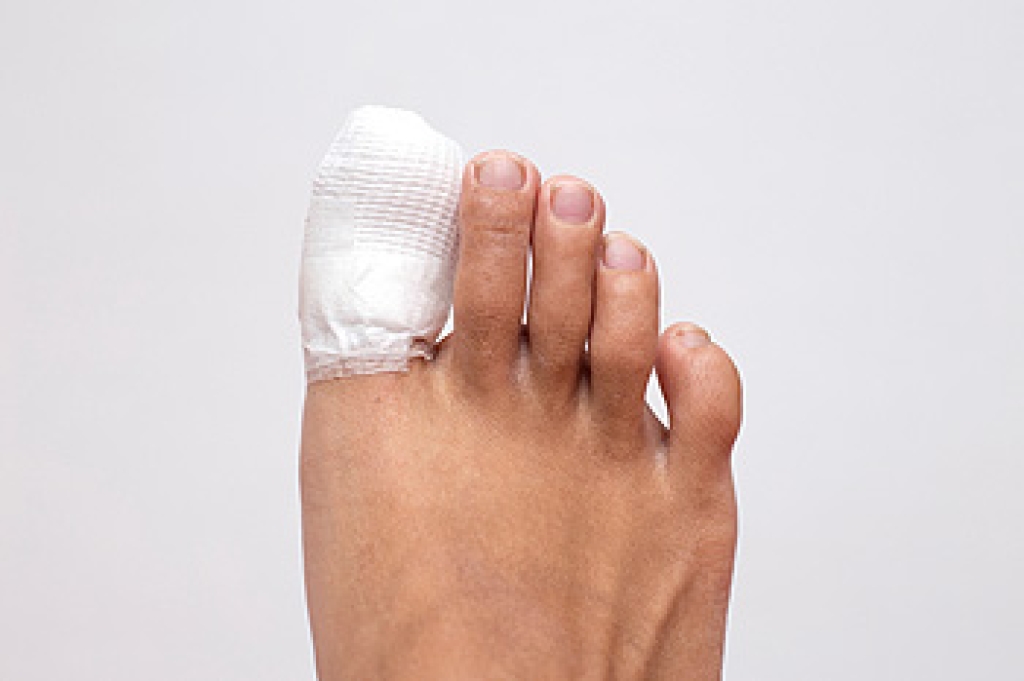 Patients who have broken their toes are often familiar with the sudden pain this type of injury can cause. It may be difficult to move the affected toe, and can appear to be bruised or swollen. In severe fractures, a popping sound may be heard as the bone breaks, and it may protrude from the skin. Common reasons why this injury can happen may include stubbing your toe against a piece of furniture, suddenly stepping off of a curb, or dropping a heavy object onto it. To perform a proper diagnosis, an X-ray is generally taken, as this can help to determine the extent of the fracture. The foot may feel better when it is resting and elevated, followed by taping the injured toe to the toe next to it. This technique may be beneficial in providing the support that is needed as the healing process takes place. If you have broken your toe, please consult with a podiatrist who can provide your with correct treatment options.
A broken toe can be very painful and lead to complications if not properly fixed. If you have any concerns about your feet, contact the podiatrists from Boston Common Podiatry. Our doctors will treat your foot and ankle needs.
What to Know About a Broken Toe
Although most people try to avoid foot trauma such as banging, stubbing, or dropping heavy objects on their feet, the unfortunate fact is that it is a common occurrence. Given the fact that toes are positioned in front of the feet, they typically sustain the brunt of such trauma. When trauma occurs to a toe, the result can be a painful break (fracture).
Symptoms of a Broken Toe
Generally, it is best to stay off of the injured toe with the affected foot elevated.
Severe toe fractures may be treated with a splint, cast, and in some cases, minor surgery. Due to its position and the pressure it endures with daily activity, future complications can occur if the big toe is not properly treated.
If you have any questions, please feel free to contact our office located in Boston, MA . We offer the newest diagnostic and treatment technologies for all your foot care needs.
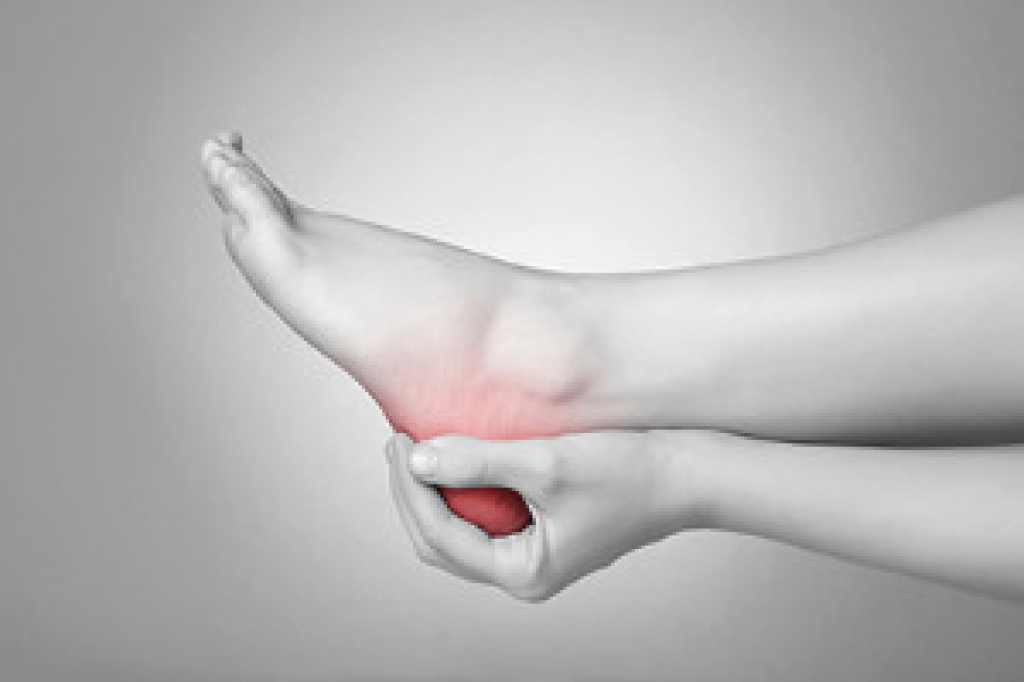 Heel pain is a common ailment among many people. It may be a foot condition that is more prevalent among specific groups of people. These may include individuals who are obese, people who participate in sporting activities, or women who are pregnant. Additionally, heel pain may develop from wearing shoes that do not fit correctly, or if there has been an injury to the heel. Patients who have medical conditions that include plantar fasciitis or heel spurs are familiar with the heel pain that is often associated with these ailments. There are methods that can be implemented which may provide moderate relief. These can consist of wearing custom made orthotics, resting the heel, and performing specific flexibility stretches. If you have any type of heel pain, it is strongly suggested that you consult with a podiatrist who can properly diagnosis and treat this condition.
Many people suffer from bouts of heel pain. For more information, contact the podiatrists of Boston Common Podiatry. Our doctors can provide the care you need to keep you pain-free and on your feet.
Causes of Heel Pain
Heel pain is often associated with plantar fasciitis. The plantar fascia is a band of tissues that extends along the bottom of the foot. A rip or tear in this ligament can cause inflammation of the tissue.
Achilles tendonitis is another cause of heel pain. Inflammation of the Achilles tendon will cause pain from fractures and muscle tearing. Lack of flexibility is also another symptom.
Heel spurs are another cause of pain. When the tissues of the plantar fascia undergo a great deal of stress, it can lead to ligament separation from the heel bone, causing heel spurs.
Why Might Heel Pain Occur?
Treatments
Heel pain should be treated as soon as possible for immediate results. Keeping your feet in a stress-free environment will help. If you suffer from Achilles tendonitis or plantar fasciitis, applying ice will reduce the swelling. Stretching before an exercise like running will help the muscles. Using all these tips will help make heel pain a condition of the past.
If you have any questions, please feel free to contact our office located in Boston, MA . We offer the newest diagnostic and treatment technologies for all your foot care needs.
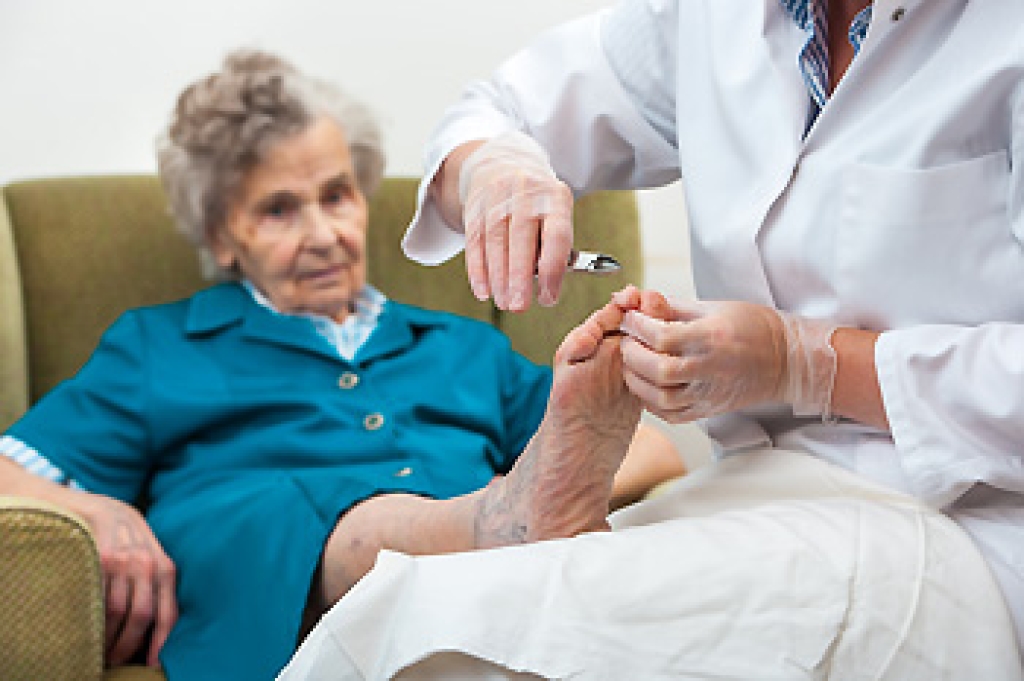 Research has shown the importance for elderly people to properly take care of their feet. It may be difficult for seniors to bend down to trim their toenails, and they may benefit from having a caregiver or a relative help them accomplish this. If the patient is diabetic, any cuts, scrapes, or wounds on the feet need to be treated as quickly as possible. This can be helpful in preventing any infections from developing. Additionally, wearing socks that fit properly may be helpful controlling existing circulation conditions. The feet may change size as the aging process occurs, and it is suggested that the feet get measured regularly. This will help in determining the correct shoe size that will be comfortable to wear. Elderly patients may find it feels good to frequently stretch their feet, and this may benefit the overall health of the feet. If you would like additional information about how to help geriatric patients properly care for their feet, it is suggested that you consult with a podiatrist.
If you need your feet checked, contact the podiatrists of Boston Common Podiatry. Our doctors will attend to all of your foot and ankle needs and provide you with quality treatment.
Geriatrics and Podiatry
When people age, some common issues that may occur are bone density loss, dry skin, poor circulation, and rough brittle nails. These issues may also affect your foot health if the necessary steps are not taken to alleviate the problems.
It is important to take care of your feet because feet that are injured or diseased can affect your overall health. Having painful feet hinders your ability to do daily activities or may decrease your willingness to do the things that you need to do.
Visiting Your Geriatrician
As we age, health problems become more likely, so it is essential to visit your doctor for check-ups to ensure that you are doing the best you can to take care of your health. It is recommended to check your feet frequently for any possible cuts, bruises, swelling, corns or any other irregularities.
Taking Care of Elderly Feet
Cracked or dry feet can be treated by applying moisturizer often. It is also important not to wear old socks because the older the sock is, the higher the possibility there will be that there is bacteria there. Wear fresh socks and make sure they fit properly.
Proper foot health means that you can have a more active lifestyle and you will not be bogged down by pain. Foot health also leads to good circulation, which is paramount for overall health.
If you have any questions, please feel free to contact our office located in Boston, MA . We offer the newest diagnostic and treatment technologies for all your foot care needs.