
Blog

Overuse Injuries Can Sideline Young Athletes

Children who are involved in sports can place repeated stress on feet and ankles that are still developing. Overuse injuries occur when activity strains bones, tendons, or ligaments faster than the body can recover. Risk rises when a child practices daily, plays on several teams, or suddenly increases training. Pain may begin slowly instead of following one clear accident. Other signs include swelling, tenderness, and a change in the way the child walks. 

Several overuse injuries affect active children. Achilles tendonitis causes irritation in the tendon that joins the calf muscle to the heel. Calcaneal apophysitis, also called Sever’s disease, affects the growth area at the back of the heel. It can cause pain when running or jumping. Plantar fasciitis is an irritation of the strong band of tissue beneath the foot associated with overuse. Stress fractures are tiny cracks caused by repeated force without time to recover. Foot pain is not a normal part of sports and should not be ignored. Continuing to play through pain can worsen an injury. It can also change how a child moves, placing extra stress on the knees, hips, or lower back.

A podiatrist can examine the painful area, watch the child stand and walk, and assess foot structure. X-rays or other imaging tests can help identify a stress fracture. Treatment is based on the type of injury and its severity. A podiatrist can recommend temporary activity limits, supportive devices, or changes to athletic shoes. Prevention starts with properly fitted shoes that are specifically made for the child’s activity. Training should increase gradually, and children need enough recovery between practices and games. Sport demands should also match the child’s age, ability, and stamina. Early care can protect developing feet and prevent a short-term problem from becoming a lasting one. If your child has foot, ankle, or toe pain related to sports activities, it is suggested that you schedule an appointment with a podiatrist for a diagnosis and appropriate treatment.

The health of a child’s feet is vital to their overall well-being. If you have any questions regarding foot health, contact the podiatrists of Boston Common Podiatry. Our doctors can provide the care you need to keep you pain-free and on your feet.

Tips for Keeping Children's Feet Healthy

  • Make sure their shoes fit properly
  • Look for any signs of in-toeing or out-toeing
  • Check to see if they have Clubfoot (condition that affects your child’s foot and ankle, twisting the heel and toes inward) which is one of the most common nonmajor birth defects.
  • Lightly cover your baby’s feet (Tight covers may keep your baby from moving their feet freely, and could prevent normal development)
  • Allow your toddler to go shoeless (Shoes can be restricting for a young child’s foot)
  • Cut toenails straight across to avoid ingrown toenails
  • Keep your child’s foot clean and dry
  • Cover cuts and scrapes. Wash any scratches with soap and water and cover them with a bandage until they’ve healed.

If you have any questions, please feel free to contact our office located in Boston, MA . We offer the newest diagnostic and treatment technologies for all your foot care needs.


Read more about What to Do to Keep Your Child’s Feet Healthy

It's Time for Beautiful Feet

You don't need an excuse to have beautiful nails. Step outside without worrying about the appearance of your feet.

Comparing Symptoms of Gout and Bunions

Gout is a form of inflammatory arthritis caused by uric acid crystals collecting inside a joint. It commonly targets the big toe, where an attack can cause sudden, intense pain. Gout attacks can begin at night, when cooler temperatures may encourage crystal formation in the extremities. Symptoms often develop quickly and can make walking or wearing shoes uncomfortable.

Gout develops when uric acid levels become too high and crystals form within a joint. Risk factors include family history, obesity, and diets high in purine-rich foods. Certain medications and alcohol use can raise uric acid levels. The big toe is especially vulnerable because it is one of the coolest joints in the body. Temperature changes can encourage uric acid crystals to collect there, triggering painful inflammation.


A bunion can affect the big toe, but it is different from gout. A bunion is a structural deformity where the big toe moves toward the other toes while the joint becomes prominent. Gout usually causes sudden attacks rather than a slowly developing bump. A podiatrist examines the foot and reviews your symptoms and health history. Blood tests or joint fluid testing may help confirm gout. Treatment may include medications, footwear changes, and strategies that reduce pressure during an attack.


Getting the correct diagnosis matters because gout and bunions require different treatment approaches. A podiatrist can help manage a gout attack and identify factors that may contribute to repeated episodes. Seek podiatric care when big toe pain appears suddenly or keeps returning, especially at night. If you have symptoms of gout, it is suggested that you are under the care of a podiatrist who can help you to manage this often debilitating condition.

Gout is a foot condition that requires certain treatment and care. If you are seeking treatment, contact the podiatrists from Boston Common Podiatry. Our doctors will treat your foot and ankle needs.

What Is Gout?

Gout is a type of arthritis caused by a buildup of uric acid in the bloodstream. It often develops in the foot, especially the big toe area, although it can manifest in other parts of the body as well. Gout can make walking and standing very painful and is especially common in diabetics and the obese.

People typically get gout because of a poor diet. Genetic predisposition is also a factor. The children of parents who have had gout frequently have a chance of developing it themselves.

Gout can easily be identified by redness and inflammation of the big toe and the surrounding areas of the foot. Other symptoms include extreme fatigue, joint pain, and running high fevers. Sometimes corticosteroid drugs can be prescribed to treat gout, but the best way to combat this disease is to get more exercise and eat a better diet.

If you have any questions, please feel free to contact our office located in Boston, MA . We offer the newest diagnostic and treatment technologies for all your foot care needs.
Read more about Gout

Understanding Ingrown Toenails and Toe Pain

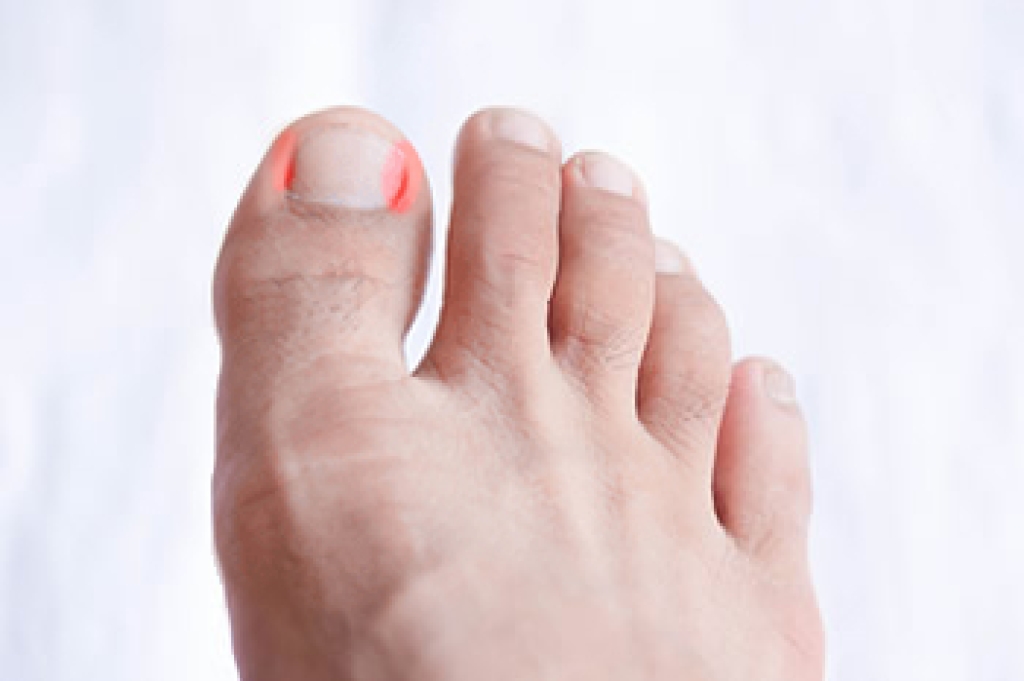
An ingrown toenail develops when the edge of a toenail grows into or presses against the surrounding skin. The big toe is affected most frequently, although the problem can occur on other toes. Pressure from shoes that are too tight, an injury, or the natural shape of the nail contribute to an ingrown toenail. Cutting the nail too short or rounding its corners also encourages the nail edge to press into the skin. Symptoms include pain, redness, and swelling along the side of the nail. The area may become sensitive when pressure is placed on the toe. An ingrown toenail also can become infected, leading to increased swelling or drainage around the nail.

A podiatrist evaluates an ingrown toenail by examining the nail and surrounding skin. The examination determines how deeply the nail edge is pressing into the skin and whether signs of infection are present. A podiatrist identifies factors that could contribute to repeated ingrown toenails, including nail shape or pressure from shoes. Treatment depends on the severity of the condition and the amount of irritation around the nail. A podiatrist carefully removes the portion of the nail that is pressing into the skin. Treatment also addresses irritated or infected tissue around the affected area. For recurring problems, the podiatrist uses techniques designed to prevent the troublesome section of nail from growing back.

An ingrown toenail makes standing, walking, and wearing shoes painful. Patients can change the way they walk to avoid pressure on the affected toe, which places added stress on other parts of the foot. A podiatrist treats the painful nail while helping protect the surrounding skin from further irritation. Level of care is based on the condition of the nail and the severity of the symptoms. Prompt evaluation helps prevent increasing pain and related complications. If you have symptoms of an ingrown toenail, it is suggested that you make an appointment with a podiatrist for diagnosis and treatment.

Ingrown toenails may initially present themselves as a minor discomfort, but they may progress into an infection in the skin without proper treatment. For more information about ingrown toenails, contact the podiatrists of Boston Common Podiatry. Our doctors can provide the care you need to keep you pain-free and on your feet.

Ingrown Toenails

Ingrown toenails are caused when the corner or side of a toenail grows into the soft flesh surrounding it. They often result in redness, swelling, pain, and in some cases, infection. This condition typically affects the big toe and may recur if it is not treated properly.

Causes

  • Improper toenail trimming
  • Genetics
  • Improper shoe fitting
  • Injury from pedicures or nail picking
  • Abnormal gait
  • Poor hygiene

You are more likely to develop an ingrown toenail if you are obese, have diabetes, arthritis, or have any fungal infection in your nails. Additionally, people who have foot or toe deformities are at a higher risk of developing an ingrown toenail.

Symptoms

Some symptoms of ingrown toenails are redness, swelling, and pain. In rare cases, there may be a yellowish drainage coming from the nail.

Treatment

Ignoring an ingrown toenail can have serious complications. Infections of the nail border can progress to a deeper soft-tissue infection, which can then turn into a bone infection. You should always speak with your podiatrist if you suspect you have an ingrown toenail, especially if you have diabetes or poor circulation.

If you have any questions, please feel free to contact our office located in Boston, MA . We offer the newest diagnostic and treatment technologies for all your foot care needs.
Read more about Ingrown Toenails

Risk Factors for Athlete’s Foot

Athlete's foot, medically known as tinea pedis, is a common fungal infection that affects the skin of the feet. It typically develops in warm, moist environments where fungi thrive. This condition often begins between the toes, but can spread to other areas of the foot if not treated. Athlete’s foot is contagious and can be transmitted through direct contact or by walking on contaminated surfaces such as locker rooms or pool areas. Understanding the definition and causes of this infection is essential for prevention and proper care.

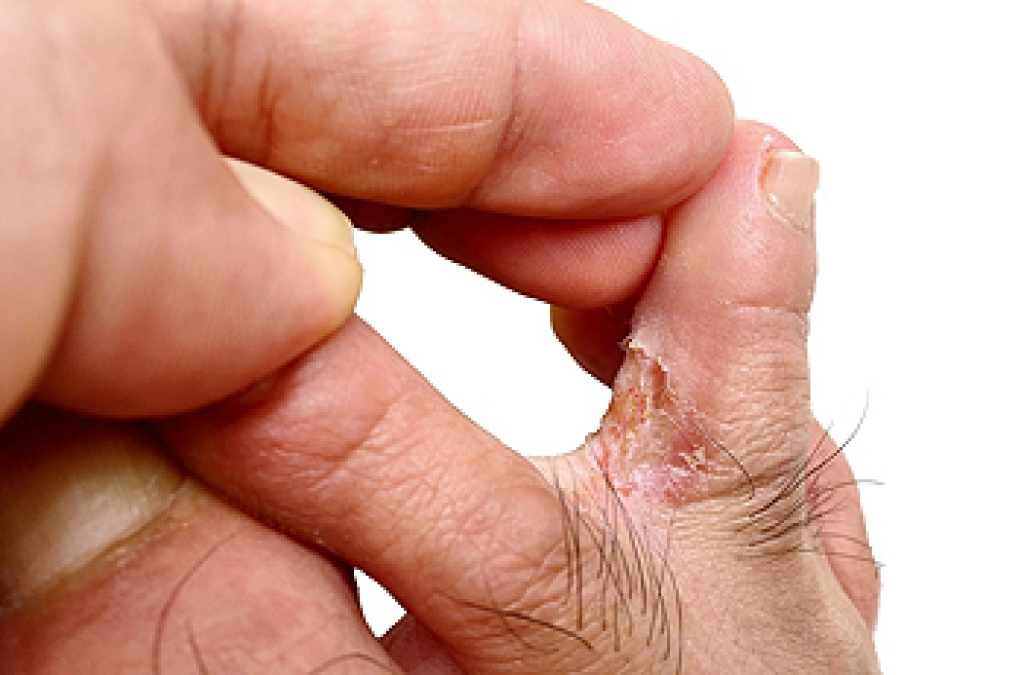
Symptoms of athlete’s foot include itching, burning, and stinging sensations on the skin. The affected area may appear red, scaly, or cracked. In some cases, peeling skin and small blisters may develop. The infection can also spread to the toenails, causing discoloration or thickening. These symptoms may worsen in damp conditions and can lead to discomfort during daily activities. Early recognition can help limit the spread and severity of the infection.


Several risk factors increase the likelihood of developing athlete’s foot. Wet or sweaty feet create an ideal environment for fungal growth. Wearing plastic-lined shoes or footwear that does not allow airflow can trap moisture and promote infection. Individuals with toenail injuries or compromised skin barriers may also be more susceptible. Additionally, walking barefoot in shared spaces increases exposure to fungi. These factors contribute to the widespread nature of this condition.


Preventing athlete’s foot involves keeping the feet clean and dry, wearing breathable footwear, and avoiding shared surfaces without protection. Changing socks regularly and allowing shoes to air out can reduce moisture buildup. Using protective footwear in public areas can also lower risk. Prompt treatment can prevent complications and spread. If you have athlete's foot, it is suggested that you consult a podiatrist for effective relief and treatment solutions, which may include prescribed medication. 

Athlete’s Foot

Athlete’s foot is often an uncomfortable condition to experience. Thankfully, podiatrists specialize in treating athlete’s foot and offer the best treatment options. If you have any questions about athlete’s foot, consult with the podiatrists from Boston Common Podiatry. Our doctors will assess your condition and provide you with quality treatment.

What Is Athlete’s Foot?

Tinea pedis, more commonly known as athlete’s foot, is a non-serious and common fungal infection of the foot. Athlete’s foot is contagious and can be contracted by touching someone who has it or infected surfaces. The most common places contaminated by it are public showers, locker rooms, and swimming pools. Once contracted, it grows on feet that are left inside moist, dark, and warm shoes and socks.

Prevention

The most effective ways to prevent athlete’s foot include:

  • Thoroughly washing and drying feet
  • Avoid going barefoot in locker rooms and public showers
  • Using shower shoes in public showers
  • Wearing socks that allow the feet to breathe
  • Changing socks and shoes frequently if you sweat a lot

Symptoms

Athlete’s foot initially occurs as a rash between the toes. However, if left undiagnosed, it can spread to the sides and bottom of the feet, toenails, and if touched by hand, the hands themselves. Symptoms include:

  • Redness
  • Burning
  • Itching
  • Scaly and peeling skin

Diagnosis and Treatment

Diagnosis is quick and easy. Skin samples will be taken and either viewed under a microscope or sent to a lab for testing. Sometimes, a podiatrist can diagnose it based on simply looking at it. Once confirmed, treatment options include oral and topical antifungal medications.

If you have any questions, please feel free to contact our office located in Boston, MA . We offer the newest diagnostic and treatment technologies for all your foot care needs.

Read more about Athlete’s Foot
Advanced Podiatric Procedures & Services in the Suffolk County, MA: Boston (Chelsea, Revere, Winthrop), Middlesex County, MA: Medford, Cambridge, Somerville, Malden, Woburn, Waltham, Watertown, Arlington, Newton), and Norfolk County, MA: Quincy, Brookline, Milton, Dedham, Wellesley areas