Blog

Reasons Athlete’s Foot Can Recur

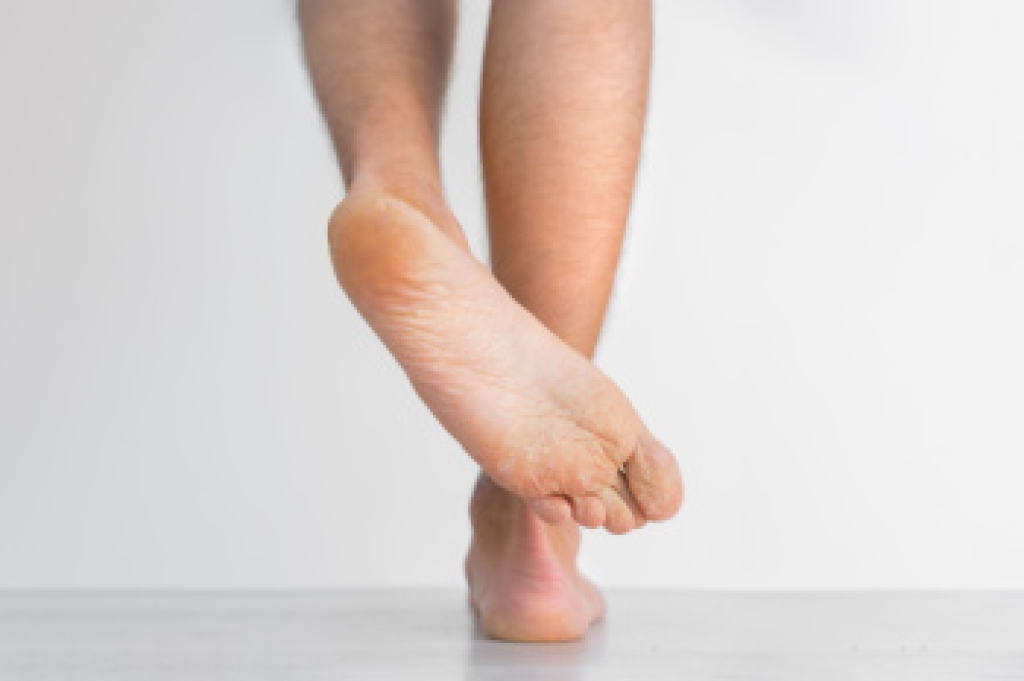
Athlete’s foot is a stubborn fungal infection that affects the skin on the feet, especially between the toes. It is caused by fungi that thrive in warm, moist environments, such as sweaty socks, shoes, or public places like locker rooms and around swimming pools. Symptoms include itching, burning, redness, peeling skin, and sometimes blisters or cracking, which can cause discomfort and make walking painful. Athlete’s foot often recurs because the fungi are difficult to completely eliminate and can survive in shoes, socks, or on skin, especially if moisture and warmth persist. Poor foot hygiene, wearing tight shoes, or not fully treating the infection also contribute to recurrence. A podiatrist can diagnose athlete’s foot by examining the affected skin and samples may be taken to confirm the fungal infection. Treatment includes antifungal creams, powders, and advice on proper foot care and hygiene to prevent reinfection. If you have athlete's foot that keeps recurring, it is suggested that you schedule an appointment with a podiatrist. for effective treatment solutions, which may include prescribed medication.

Athlete’s foot is an inconvenient condition that can be easily reduced with the proper treatment. If you have any concerns about your feet and ankles, contact the podiatrists from Boston Common Podiatry.  Our doctors will treat your foot and ankle needs.

Athlete’s Foot: The Sole Story

Athlete's foot, also known as tinea pedis, can be an extremely contagious foot infection. It is commonly contracted in public changing areas and bathrooms, dormitory style living quarters, around locker rooms and public swimming pools, or anywhere your feet often come into contact with other people.

Solutions to Combat Athlete’s Foot

  • Hydrate your feet by using lotion
  • Exfoliate
  • Buff off nails
  • Use of anti-fungal products
  • Examine your feet and visit your doctor if any suspicious blisters or cuts develop

Athlete’s foot can cause many irritating symptoms such as dry and flaking skin, itching, and redness. Some more severe symptoms can include bleeding and cracked skin, intense itching and burning, and even pain when walking. In the worst cases, Athlete’s foot can cause blistering as well. Speak to your podiatrist for a better understanding of the different causes of Athlete’s foot, as well as help in determining which treatment options are best for you.

If you have any questions please feel free to contact our office located in Boston, MA . We offer the newest diagnostic and treatment technologies for all your foot and ankle needs.


Read more about Athlete’s Foot

Causes of Toe Joint Pain

Toe joint pain often affects the big toe, which absorbs much of the body’s weight when walking. This discomfort can stem from a variety of causes. Gout is one of the most common, resulting from a buildup of uric acid crystals in the joint that leads to sudden pain. Structural problems like hammertoes, mallet toes, and claw toes can also strain toe joints, causing inflammation and stiffness over time. A bunion, which forms when the big toe pushes inward toward the others, creates pressure and misalignment that may result in toe joint pain. A form of arthritis in the big toe, called hallux rigidus, leads to stiffness and difficulty in bending the joint. Toe joint pain may also result from turf toe, which involves stretched ligaments due to the toe bending too far back. If you are experiencing pain in toe joints, it is suggested that you schedule an appointment with a podiatrist for an exam, diagnosis and appropriate treatment.

Toe pain can disrupt your daily activities. If you have any concerns, contact the podiatrists of Boston Common Podiatry. Our doctors can provide the care you need to keep you pain-free and on your feet.

What Causes Toe Pain?

Most severe toe pain is caused due to a sports injury, trauma from dropping something heavy on the toe, or bumping into something rigid. Other problems can develop over time for various reasons.

Toe pain can be caused by one or more ailments. The most common include:

  • Trauma
  • Sports injury
  • Wearing shoes that are too tight
  • Arthritis
  • Gout
  • Corns and calluses
  • Hammertoe
  • Bunions
  • Blisters
  • Ingrown toenails
  • Sprains
  • Fractures (broken bones)
  • Dislocations

When to See a Podiatrist

  • Severe pain
  • Persistent pain that lasts more than a week
  • Signs of infection
  • Continued swelling
  • Pain that prevents walking

Diagnosis

In many cases the cause of toe pain is obvious, but in others, a podiatrist may want to use more advanced methods to determine the problem. These can range from simple visual inspections and sensation tests to X-rays and MRI scans. Prior medical history, family medical history, and any recent physical traumatic events will all be taken into consideration for a proper diagnosis.

Treatment

Treatments for toe pain and injuries vary and may include shoe inserts, padding, taping, medicines, injections, and in some cases, surgery. If you believe that you have broken a toe, please see a podiatrist as soon as possible.

If you have any questions please contact our office located in Boston, MA . We offer the newest diagnostic and treatment technologies for all your foot and ankle needs.

Read more about Toe Pain

How Flat Feet Are Diagnosed

Flat feet occur when the arches of the feet are low or absent, causing the soles to make full contact with the ground. Diagnosis begins with a physical exam. A podiatrist will observe how you stand, walk, and bear weight. They may check the alignment of your ankles and ask you to rise onto your toes. If the arch does not appear when standing on tiptoe, it may suggest a more rigid form of flatfoot. Imaging tests such as X-rays or an MRI scan may be used to assess bone structure, joint alignment, or soft tissue involvement. Some people have flat feet without symptoms, while others may experience pain or fatigue in the feet, ankles, or legs. If you have foot discomfort or are unsure about changes in your foot shape, it is suggested that you visit a podiatrist for an accurate diagnosis and care plan.

Flatfoot is a condition many people suffer from. If you have flat feet, contact the podiatrists from Boston Common Podiatry. Our doctors will treat your foot and ankle needs.

What Are Flat Feet?

Flatfoot is a condition in which the arch of the foot is depressed and the sole of the foot is almost completely in contact with the ground. About 20-30% of the population generally has flat feet because their arches never formed during growth.

Conditions & Problems:

Having flat feet makes it difficult to run or walk because of the stress placed on the ankles.

Alignment – The general alignment of your legs can be disrupted, because the ankles move inward which can cause major discomfort.

Knees – If you have complications with your knees, flat feet can be a contributor to arthritis in that area.  

Symptoms

  • Pain around the heel or arch area
  • Trouble standing on the tip toe
  • Swelling around the inside of the ankle
  • Flat look to one or both feet
  • Having your shoes feel uneven when worn

Treatment

If you are experiencing pain and stress on the foot you may weaken the posterior tibial tendon, which runs around the inside of the ankle. 

If you have any questions, please feel free to contact our office located in Boston, MA . We offer the newest diagnostic and treatment technologies for all your foot care needs.

Read more about Flat Feet

Wounds That Don't Heal Need to Be Checked

Your feet are covered most of the day. If you're diabetic, periodic screening is important for good health. Numbness is often a sign of diabetic foot and can mask a sore or wound.

Causes and Symptoms for Broken Ankles

A broken ankle is a serious injury involving a fracture of one or more bones in the ankle joint. It can result from falls, sports injuries, car accidents, or twisting the ankle awkwardly. Symptoms of a broken ankle include severe pain, swelling, bruising, inability to bear weight, and visible deformity in some cases. The area may feel tender, and movement can be limited or impossible. Treatment depends on the severity and location of the fracture. Minor breaks may require immobilization with a cast or boot, while severe fractures might need surgery to realign and stabilize the bones. Pain management and targeted exercises are important for recovery and restoring mobility. A podiatrist can diagnose your injury through a physical exam and imaging tests like X-rays. They will guide you through treatment and rehabilitation to ensure proper healing. If you think you have a broken ankle, it is suggested that you promptly make an appointment with a podiatrist for appropriate treatment solutions.

Broken ankles need immediate treatment. If you are seeking treatment, contact the podiatrists from Boston Common Podiatry. Our doctors can provide the care you need to keep you pain-free and on your feet. 

Broken Ankles
A broken ankle is experienced when a person fractures their tibia or fibula in the lower leg and ankle area. Both of these bones are attached at the bottom of the leg and combine to form what we know to be our ankle.

When a physician is referring to a break of the ankle, he or she is usually referring to a break in the area where the tibia and fibula are joined to create our ankle joint. Ankles are more prone to fractures because the ankle is an area that suffers a lot of pressure and stress. There are some obvious signs when a person experiences a fractured ankle, and the following symptoms may be present.

Symptoms of a Fractured Ankle

  • Excessive pain when the area is touched or when any pressure is placed on the ankle
  • Swelling around the area
  • Bruising of the area
  • Area appears to be deformed

If you suspect an ankle fracture, it is recommended to seek treatment as soon as possible. The sooner you have your podiatrist diagnose the fracture, the quicker you’ll be on the way towards recovery.

If you have any questions, please feel free to contact our office located in Boston, MA . We offer the newest diagnostic and treatment technologies for all your foot care needs.

Read more about All About Broken Ankles
scroll to top