Blog

Types of Achilles Tendon Injuries

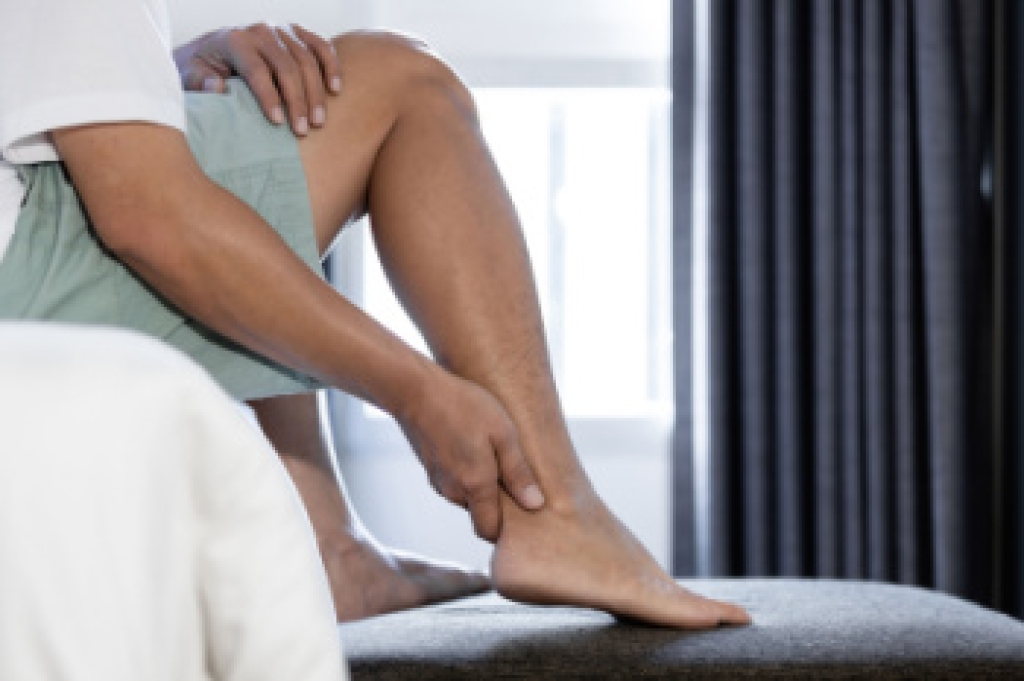
The Achilles tendon connects the calf muscles to the heel and helps the foot move when walking, running, and jumping. Injuries to this strong tendon can range from mild to severe. One type involves soreness and stiffness that develop over time from repeated strain. It is often felt either along the tendon or where it attaches to the heel. Another type of Achilles tendon injury causes swelling and pain around the tendon due to irritation from overuse. Small tears to the Achilles tendon can occur when some fibers are damaged, leading to weakness and ongoing discomfort. A more serious injury, common among athletes, happens when the tendon tears completely. This injury often causes sudden pain and difficulty pushing off the foot or standing on tiptoe. A podiatrist can determine the type and severity of the injury and recommend appropriate treatment, which may include activity changes, support devices, or surgery. If you have injured your Achilles tendon, it is suggested that you make an appointment with a podiatrist for an exam, diagnosis, and treatment.

Achilles tendon injuries need immediate attention to avoid future complications. If you have any concerns, contact the podiatrists of Boston Common Podiatry. Our doctors can provide the care you need to keep you pain-free and on your feet.

What Is the Achilles Tendon?

The Achilles tendon is a tendon that connects the lower leg muscles and calf to the heel of the foot. It is the strongest tendon in the human body and is essential for making movement possible. Because this tendon is such an integral part of the body, any injuries to it can create immense difficulties and should immediately be presented to a doctor.

What Are the Symptoms of an Achilles Tendon Injury?

There are various types of injuries that can affect the Achilles tendon. The two most common injuries are Achilles tendinitis and ruptures of the tendon.

Achilles Tendinitis Symptoms

  • Inflammation
  • Dull to severe pain
  • Increased blood flow to the tendon
  • Thickening of the tendon

Rupture Symptoms

  • Extreme pain and swelling in the foot
  • Total immobility

Treatment and Prevention

Achilles tendon injuries are diagnosed by a thorough physical evaluation, which can include an MRI. Treatment involves rest, physical therapy, and in some cases, surgery. However, various preventative measures can be taken to avoid these injuries, such as:

  • Thorough stretching of the tendon before and after exercise
  • Strengthening exercises like calf raises, squats, leg curls, leg extensions, leg raises, lunges, and leg presses

If you have any questions please feel free to contact our office located in Boston, MA . We offer the newest diagnostic tools and technology to treat your foot and ankle needs.


Read more about What are Achilles Tendon Injuries

Reminder: When Was the Last Time...?

Custom orthotics, or shoe inserts, should be periodically replaced. Orthotics must fit properly to give you the best results. Protect your feet and ankles!

What Recovery From a Broken Ankle Involves

A broken ankle happens when one or more of the bones that form the ankle joint crack or fully break, often from a twist, fall, or sudden impact. Symptoms include sharp pain, swelling that appears quickly, bruising, and difficulty putting weight on the foot. Some people notice a popping sound at the moment of injury or see that the ankle looks out of place. Because the ankle supports the entire body during walking, even a small fracture can make movement painful and unsteady. Treatment depends on the type of break and may include immobilization, protective boots, or casting to keep the bones stable as they heal. Severe fractures can require surgery to restore proper alignment. A podiatrist can evaluate the injury, order imaging, and guide a safe recovery plan. If your ankle pain began after trauma or you cannot bear weight, it is suggested that you see a podiatrist for effective treatment solutions.

test

Read more about All About Broken Ankle

Corns and Calluses

Corns and calluses are thickened skin areas caused by repeated pressure or friction, yet they differ in form and discomfort. Corns are smaller, with a hard center, commonly on toes, while calluses are broader, flatter patches on soles. Symptoms include tenderness, aching, or sharp pain with corns, and dull discomfort with calluses. They may look yellowed, dry, or raised, and can feel rough, tight, or painful in shoes. Causes include ill-fitting footwear, abnormal foot mechanics, bony prominences, and repetitive activity. A podiatrist can help from the start by assessing gait, footwear, and skin, confirming diagnosis, and excluding warts or infection. Treatment options include safe debridement, padding, footwear changes, and addressing biomechanical causes to prevent recurrence. Early evaluation reduces pain, improves alignment, and supports lasting relief. Ongoing care improves comfort, mobility, and skin health. If you are dealing with foot discomfort, it is suggested that you make an appointment with a podiatrist. 

If you have any concerns regarding your feet and ankles, contact the podiatrists of Boston Common Podiatry. Our doctors will treat your foot and ankle needs.

Corns: What Are They? and How Do You Get Rid of Them?
Corns can be described as areas of the skin that have thickened to the point of becoming painful or irritating. They are often layers and layers of the skin that have become dry and rough, and are normally smaller than calluses.

Ways to Prevent Corns
There are many ways to get rid of painful corns such as wearing:

  • Well-fitting socks
  • Comfortable shoes that are not tight around your foot
  • Shoes that offer support

Treating Corns
Treatment of corns involves removing the dead skin that has built up in the specific area of the foot. Consult with Our doctors to determine the best treatment option for your case of corns.

If you have any questions, please feel free to contact our office located in Boston, MA . We offer the newest diagnostic and treatment technologies for all your foot care needs.

Read more about Understanding Corns and Calluses

Broken Toes and How Early Care Supports Recovery

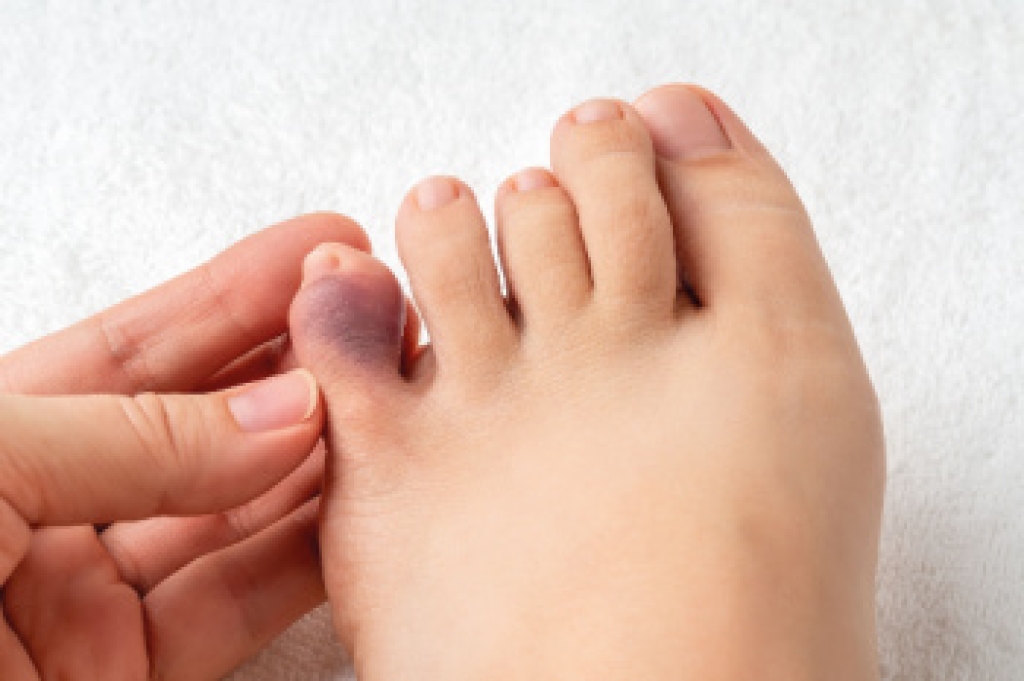
A broken toe is a common injury that can result from trauma, such as stubbing, dropping a heavy object on the foot, or sports related accidents. The toe may look swollen, bruised, or misaligned, and, in severe cases, it may appear deformed or out of place. It often feels painful, tender, or throbbing, particularly while walking, standing, or applying pressure. Additional symptoms can include difficulty in moving the toe, stiffness, or a cracking sensation at the time of injury. A podiatrist can begin by performing a thorough examination, assessing the degree of injury, and ordering imaging, such as X-rays, to confirm the break and identify any displacement. Treatment may involve buddy taping, protective footwear, pain management, or in more severe cases, surgical intervention to properly realign the bones. Because early professional care promotes healing, prevents complications, and restores mobility, it is suggested that you  promptly schedule an appointment with a podiatrist for appropriate treatment solutions.

Broken toes may cause a lot of pain and should be treated as soon as possible. If you have any concerns about your feet, contact the podiatrists from Boston Common Podiatry. Our doctors will treat your foot and ankle needs.

What Is a Broken Toe?

A broken toe occurs when one or more of the toe bones of the foot are broken after an injury. Injuries such as stubbing your toe or dropping a heavy object on it may cause a toe fracture.

Symptoms of a Broken Toe

  • Swelling
  • Pain (with/without wearing shoes)
  • Stiffness
  • Nail Injury

Although the injured toe should be monitored daily, it is especially important to have a podiatrist look at your toe if you have severe symptoms. Some of these symptoms include worsening or new pain that is not relieved with medication, sores, redness, or open wounds near the toe.

If you have any questions please feel free to contact our office located in Boston, MA . We offer the newest diagnostic tools and technology to treat your foot and ankle needs.

Read more about What to Know About a Broken Toe
scroll to top