Blog

Possible Methods That May Help To Prevent Falling

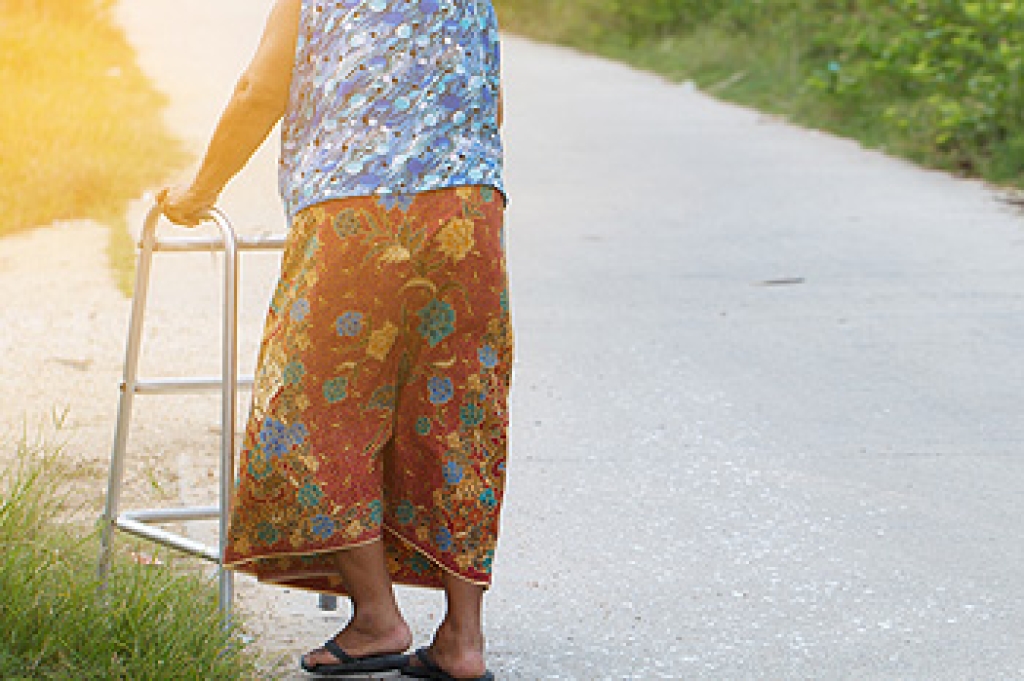
Elderly people may experience a certain amount of instability, which may lead to falling. This unnatural movement has the potential of causing serious health ailments. Many patients who have fallen have developed a fear of falling, and this may prevent them from being as active as they once were. This may possibly cause the body to lose strength and flexibility. There are methods that can be implemented which may help to reduce the risk of falling. These can consist of increasing the lighting in the household, installing grab bars in the toilet and shower areas, and removing any existing loose carpeting. Research has indicated it may be beneficial to have a routine physical examination, and this may be helpful in determining the effectiveness of current medications. If you would like additional information about how falling can affect the feet, it is suggested that you consult with a podiatrist. 

Preventing falls among the elderly is very important. If you are older and have fallen or fear that you are prone to falling, consult with the podiatrists from Boston Common Podiatry. Our doctors will assess your condition and provide you with quality advice and care.

Every 11 seconds, an elderly American is being treated in an emergency room for a fall related injury. Falls are the leading cause of head and hip injuries for those 65 and older. Due to decreases in strength, balance, senses, and lack of awareness, elderly persons are very susceptible to falling. Thankfully, there are a number of things older persons can do to prevent falls.

How to Prevent Falls

Some effective methods that older persons can do to prevent falls include:

  • Enrolling in strength and balance exercise program to increase balance and strength
  • Periodically having your sight and hearing checked
  • Discuss any medications you have with a doctor to see if it increases the risk of falling
  • Clearing the house of falling hazards and installing devices like grab bars and railings
  • Utilizing a walker or cane
  • Wearing shoes that provide good support and cushioning
  • Talking to family members about falling and increasing awareness

Falling can be a traumatic and embarrassing experience for elderly persons; this can make them less willing to leave the house, and less willing to talk to someone about their fears of falling. Doing such things, however, will increase the likelihood of tripping or losing one’s balance. Knowing the causes of falling and how to prevent them is the best way to mitigate the risk of serious injury.  

If you have any questions, please feel free to contact our office located in Boston, MA . We offer the newest diagnostic and treatment technologies for all your foot care needs.


Read more about Falls Prevention

Wearing Flip Flops May Negatively Affect The Feet

Research has indicated that frequently wearing flip flops may cause unpleasant foot conditions to gradually develop. These can include heel and ankle pain, in addition to increasing the likelihood of stubbing your toe, which may lead to a broken toe. The average flip flop has minimal support for the overall foot. This includes little cushioning in the heel and arch area, which can contribute to a lack of shock absorption. The toes may undergo stress as they attempt to keep the shoe on the foot, as a result of excessive gripping. People who wear this type of shoe often take shorter steps, which may alter their style of walking. Painful conditions such as heel spurs and plantar fasciitis may develop as a result of wearing flip flops. Additional information is available from a podiatrist about the harmful effects wearing flip flops could have on the feet.

Flip-flops can cause a lot of problems for your feet. If you have any concerns about your feet or ankles, contact the podiatrists from Boston Common Podiatry. Our doctors will assist you with all of your foot and ankle needs.

Flip-Flops and Feet

Flip-flops have managed to become a summer essential for a lot of people. While the shoes may be stylish and easy to slip on and off, they can be dangerous to those who wear them too often. These shoes might protect you from fungal infections such as athlete’s foot, but they can also give you foot pain and sprained ankles if you trip while wearing them.

When Are They Okay to Wear?

Flip-flops should only be worn for very short periods of time. They can help protect your feet in places that are crawling with fungi, such as gym locker rooms. Athlete’s foot and plantar warts are two common fungi that flip-flops may help protect your feet against.

Why Are They Bad for My Feet?

These shoes do not offer any arch support, so they are not ideal for everyday use. They also do not provide shock absorption or heel cushioning which can be problematic for your feet. Additionally, you may suffer from glass cuts, puncture wounds, and stubbed toes since they offer little protection for your feet.

More Reasons Why They Are Bad for Your Feet

  • They Slow You Down
  • May Cause Blisters and Calluses
  • Expose Your Feet to Bacteria

If you have any questions, please feel free to contact our office located in Boston, MA . We offer the newest diagnostic and treatment technologies for all your foot care needs.

Read more about Flipping Out About Flip Flops

Podiatrists and the Anatomy of the Feet

If you are seeking a doctor who specializes in the anatomy of the foot, you will be looking for the services of a podiatrist. This type of doctor can treat a variety of foot conditions, consisting of ingrown toenails, pain in the heel and arch areas, and medical conditions that often include arthritis and diabetes. Podiatrists can own a private practice, or may be employed in a hospital. Research has indicated it may be beneficial to wear the shoes that are normally worn for everyday activities when you initially visit a podiatrist. This may be helpful in determining the cause of your specific foot condition. If your feet feel tired, or you are experiencing any type of foot pain, it is advised that you consult with a podiatrist as quickly as possible so the correct diagnosis can be performed and the proper treatment can begin. 

If you are experiencing pain in the feet or ankles, don’t join the stubborn majority refusing treatment. Feel free to contact the podiatrists from Boston Common Podiatry. Our doctors can provide the care you need to keep you pain-free and on your feet.

What Is a Podiatrist?

Someone would seek the care of a podiatrist if they have suffered a foot injury or have common foot ailments such as heal spurs, bunions, arch problems, deformities, ingrown toenails, corns, foot and ankle problems, etc.

Podiatric Treatment

A podiatrist will treat the problematic areas of the feet, ankle or lower leg by prescribing the following:

  • Physical therapy
  • Drugs
  • Orthotic inserts or soles
  • Surgery on lower extremity fractures

A common podiatric procedure a podiatrist will use is a scanner or force plate which will allow the podiatrist to know the designs of orthotics. Patients are then told to follow a series of tasks to complete the treatment. The computer will scan the foot a see which areas show weight distribution and pressure points. The podiatrist will read the analysis and then determine which treatment plans are available.

If you have any questions, please feel free to contact our office located in Boston, MA . We offer the newest diagnostic and treatment technologies for all your foot care needs.
Read more about What is a Podiatrist?

Ankle Sprains May Be Common Among Athletes

Research has shown that ankle sprains are common among people who frequently participate in sporting activities. This is often the result of tearing or overstretching the ligaments in the ankle. Common symptoms of this type of injury may include severe swelling, pain, and it may be difficult to put weight on the ankle. Relief may be found when the affected foot is elevated, and this may help to alleviate a portion of the swelling. Additionally, it may be beneficial to wrap the ankle in an elastic bandage, and this can help to provide the support that is needed as the healing process takes place. If the activity is resumed that caused the sprain before the ankle has had a chance to completely heal the sprain may return, and ligaments may be scarred. If you have fallen or twisted your ankle, and think it may be sprained, it is suggested that you consult with a podiatrist who can diagnosis and treat this condition.

Although ankle sprains are common, they aren’t always minor injuries. If you need your ankle injury looked at, contact the podiatrists from Boston Common Podiatry. Our doctors can provide the care you need to keep you pain-free and on your feet.

How Does an Ankle Sprain Occur?

Ankle sprains are the result of a tear in the ligaments within the ankle. These injuries may happen when you make a rapid shifting movement while your foot is planted. A less common way to sprain your ankle is when your ankle rolls inward while your foot turns outward.

What Are the Symptoms?

  • Pain at the sight of the tear
  • Bruising/Swelling
  • Ankle area is tender to touch
  • In severe cases, may hear/feel something tear
  • Skin discoloration

Preventing a Sprain

  • Wearing appropriate shoes for the occasion
  • Stretching before exercises and sports
  • Knowing your limits

Treatment of a Sprain

In many cases, the RICE method (Rest, Ice, Compression, and Elevate) is used to treat ankle sprains. However, you should see a podiatrist to see which treatment option would work best with your injury. In severe cases, surgery may be required.

It is important to ask your doctor about rehab options after you receive treatment for your injury. Stretching, strength training, and balance exercises may help the ankle heal while also preventing further injury.

If you have any questions, please feel free to contact our office located in Boston, MA . We offer the newest diagnostic and treatment technologies for all your foot care needs.

Read more about Ankle Sprains
scroll to top