Blog

Why Volleyball Players Experience Ankle Sprains

Ankle sprains frequently affect volleyball players due to the physical demands of the sport. A sprain occurs when the ligaments around the ankle are stretched beyond their normal range, often during a sudden or forceful movement. This type of stretching injury commonly happens when players land improperly after a jump or shift direction quickly during play. The ankle may roll outward, placing excessive strain on the supporting ligaments and leading to injury.

The symptoms of an ankle sprain can vary, but often include swelling, pain, and bruising. Players may experience  instability and have difficulty walking or placing weight on the injured foot. In some cases, the ankle may feel weak or unstable during movement. Risk factors include frequent jumping, fast-paced directional changes, and close contact with other players. Wearing unsupportive footwear and skipping proper warm-up routines can further increase the risk of injury. Previous ankle injuries also make players more vulnerable to future sprains.


Ankle sprains are divided into three grades to describe their severity. A grade 1 sprain involves slight ligament stretching with mild symptoms and minimal swelling. A grade 2 sprain includes a partial ligament tear, causing moderate pain, swelling, and limited mobility. A grade 3 sprain is the most severe and involves a complete ligament tear, leading to intense pain, significant swelling, and an inability to bear weight. Accurate diagnosis helps determine the appropriate level of care.


Preventing ankle sprains in volleyball requires attention to strength, technique, and recovery. Balance training and wearing supportive footwear can improve stability and reduce stress on the ankle joint. Allowing time for recovery between games and practices is also important. Recognizing early symptoms can help prevent more serious injury. If you enjoy volleyball and have sprained your ankle, it is suggested that you consult a podiatrist who can offer effective relief and treatment solutions. 

Sports related foot and ankle injuries require proper treatment before players can go back to their regular routines. For more information, contact the podiatrists of Boston Common Podiatry. Our doctors can provide the care you need to keep you pain-free and on your feet.

Sports Related Foot and Ankle Injuries

Foot and ankle injuries are a common occurrence when it comes to athletes of any sport. While many athletes dismiss the initial aches and pains, the truth is that ignoring potential foot and ankle injuries can lead to serious problems. As athletes continue to place pressure and strain the area further, a mild injury can turn into something as serious as a rupture and may lead to a permanent disability. There are many factors that contribute to sports related foot and ankle injuries, which include failure to warm up properly, not providing support or wearing bad footwear. Common injuries and conditions athletes face, including:

  • Plantar Fasciitis
  • Achilles Tendinitis
  • Achilles Tendon Rupture
  • Ankle Sprains

Sports related injuries are commonly treated using the RICE method. This includes rest, applying ice to the injured area, compression and elevating the ankle. More serious sprains and injuries may require surgery, which could include arthroscopic and reconstructive surgery. Rehabilitation and therapy may also be required in order to get any recovering athlete to become fully functional again. Any unusual aches and pains an athlete sustains must be evaluated by a licensed, reputable medical professional.

If you have any questions please contact our office located in Boston, MA . We offer the newest diagnostic and treatment technologies for all your foot and ankle needs.


Read more about Sports Related Foot and Ankle Injuries

Why Live with Pain and Numbness in Your Feet?

Suffering from this type of pain? You may have the foot condition known as Morton's neuroma. Morton's neuroma may develop as a result of ill-fitting footwear and existing foot deformities. We can help.

Elderly Foot Care Tips for Better Mobility and Balance

Healthy feet play a major role in staying active and independent as people age. Natural changes in the feet can reduce cushioning, weaken muscles, and limit joint movement, making standing and walking less comfortable. Skin also becomes thinner and drier, while toenails can grow thicker and harder to trim. These changes raise the chance of pain, balance problems, and falls. Ignoring foot discomfort can also make everyday tasks more difficult. Regular visits with a podiatrist help detect concerns early and keep small problems from becoming larger ones longer. Supporting foot function improves confidence with every step.

Common foot conditions in older adults include bunions, hammertoes, and thick toenails. Arthritis can stiffen joints and change the way the foot moves, increasing pressure on certain areas. Poor circulation means reduced blood flow, which slows healing. Nerve damage, called neuropathy, reduces feeling in the feet and makes injuries easier to miss. A podiatrist carefully examines the feet, checks circulation and sensation, and treats painful nail and skin problems while recommending shoes with proper support. A podiatrist can then develop a treatment plan catered to your needs. Early evaluation also helps improve comfort, mobility, and everyday safety.

Prompt care can protect mobility and support a more active lifestyle. Foot pain should never be accepted as a normal part of getting older because effective treatment is available. A podiatrist can relieve painful pressure points, treat skin concerns, and recommend custom orthotics when they provide better support and comfort. Addressing problems early also lowers the risk of falls and helps people remain confident while walking, preserving independence and stability. If you have symptoms of elderly foot problems, it is suggested that you schedule an appointment with a podiatrist for a diagnosis and appropriate treatment.

Proper foot care is something many older adults forget to consider. If you have any concerns about your feet and ankles, contact the podiatrists from Boston Common Podiatry. Our doctors can provide the care you need to keep you pain-free and on your feet.

The Elderly and Their Feet

As we age we start to notice many changes in our body, but the elder population may not notice them right away. Medical conditions may prevent the elderly to take notice of their foot health right away. Poor vision is a lead contributor to not taking action for the elderly.

Common Conditions 

  • Neuropathy – can reduce feeling in the feet and can hide many life-threatening medical conditions.
  • Reduced flexibility – prevents the ability of proper toenail trimming, and foot cleaning. If left untreated, it may lead to further medical issues.
  • Foot sores – amongst the older population can be serious before they are discovered. Some of the problematic conditions they may face are:
  • Gouging toenails affecting nearby toe
  • Shoes that don’t fit properly
  • Pressure sores
  • Loss of circulation in legs & feet
  • Edema & swelling of feet and ankles

Susceptible Infections

Diabetes and poor circulation can cause general loss of sensitivity over the years, turning a simple cut into a serious issue.

If you have any questions, please feel free to contact our office located in Boston, MA . We offer the newest diagnostic and treatment technologies for all your foot care needs.

Read more about Elderly and their Feet

Plantar Warts and Professional Care

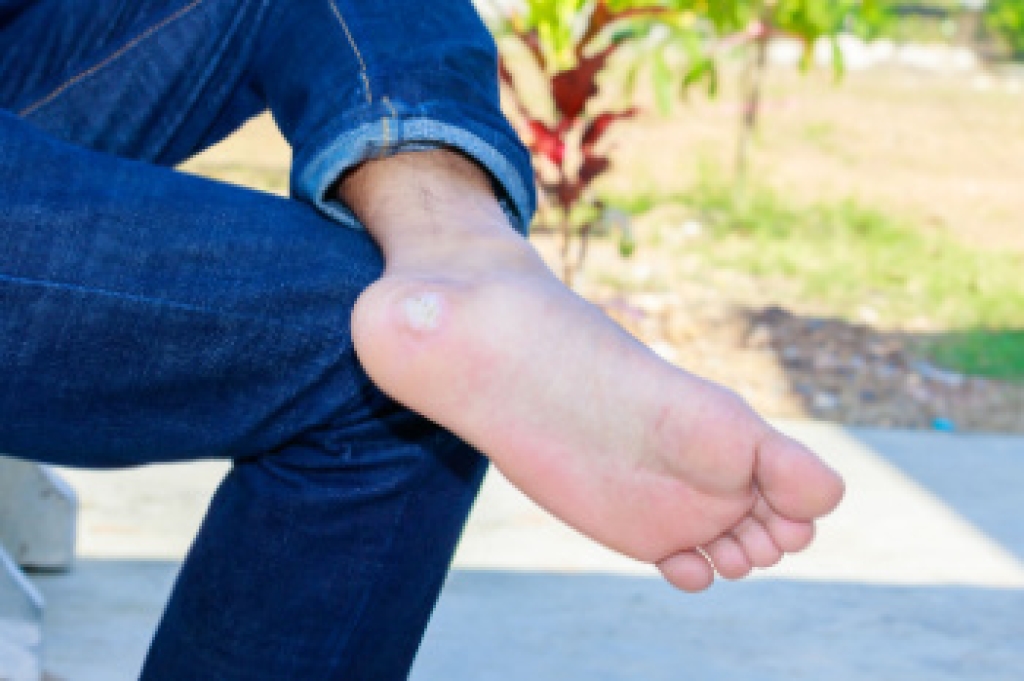
Plantar warts are small growths that develop on the bottom of the foot after infection with the human papillomavirus, also called HPV. The virus enters through tiny breaks in the skin and causes the outer layer to thicken. Because plantar warts grow on weight-bearing areas of the foot, they are often pushed inward by the pressure of standing and walking. This can make them painful and uncomfortable during everyday activities. Common symptoms include a rough, grainy area of skin, tenderness, and pain when putting weight on the foot. Some plantar warts also contain tiny black dots, which are small blood vessels. Since other foot conditions can look similar, a podiatric evaluation is important to confirm the diagnosis and recommend the most appropriate treatment.


Plantar warts may appear as a single growth or develop in clusters on the sole of the foot. The discomfort they cause can change the way a person walks, placing additional stress on nearby joints and soft tissues. In some cases, the wart becomes larger or more painful if it is not treated. Although plantar warts are generally not serious, they can interfere with work, exercise, and other daily activities. A thorough podiatry evaluation helps determine the size, location, and severity of the wart while ruling out other causes of foot pain.


A podiatrist specializes in diagnosing and treating plantar warts using methods that are appropriate for each patient's condition. Professional care focuses on removing the wart, relieving discomfort, and reducing the chance of recurrence. A podiatrist also evaluates the surrounding skin to identify any additional concerns that may require treatment. Early podiatry care may help prevent worsening pain and improve comfort during daily activities. If you have a painful growth on the bottom of your foot or think you may have a plantar wart, it is suggested that you consult a podiatrist for an evaluation and appropriate treatment options.

Plantar warts can be very uncomfortable. If you need your feet checked, contact the podiatrists from Boston Common Podiatry. Our doctors will assist you with all of your foot and ankle needs.

About Plantar Warts

Plantar warts are the result of HPV, or human papillomavirus, getting into open wounds on the feet. They are mostly found on the heels or balls of the feet.

While plantar warts are generally harmless, those experiencing excessive pain or those suffering from diabetes or a compromised immune system require immediate medical care. Plantar warts are easily diagnosed, usually through scraping off a bit of rough skin or by getting a biopsy.

Symptoms

  • Lesions on the bottom of your feet, usually rough and grainy
  • Hard or thick callused spots
  • Wart seeds, which are small clotted blood vessels that look like little black spots
  • Pain, discomfort, or tenderness of your feet when walking or standing

Treatment

  • Freezing
  • Electric tool removal
  • Laser Treatment
  • Topical Creams (prescription only)
  • Over-the-counter medications

To help prevent developing plantar warts, avoid walking barefoot over abrasive surfaces that can cause cuts or wounds for HPV to get into. Avoiding direct contact with other warts, as well as not picking or rubbing existing warts, can help prevent the further spread of plantar warts. However, if you think you have developed plantar warts, speak to your podiatrist. He or she can diagnose the warts on your feet and recommend the appropriate treatment options.

If you have any questions, please feel free to contact our office located in Boston, MA . We offer the newest diagnostic and treatment technologies for all your foot care needs.

Read more about What Are Plantar Warts?

Cuboid Syndrome in Athletes and Active Individuals

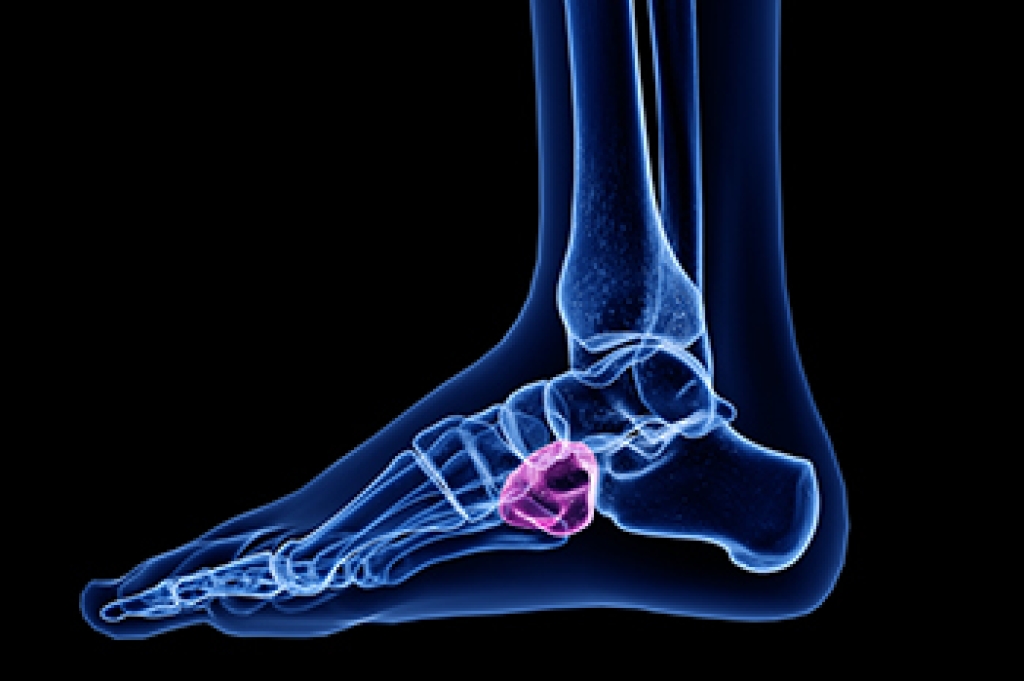
Cuboid syndrome is a foot condition that involves disruption or misalignment of the cuboid bone, which is located on the outer side of the foot. This condition often develops after repetitive stress or a sudden injury that affects the midfoot region. It is commonly seen in athletes who perform activities that involve jumping, cutting, or rapid changes in direction. Causes may include ankle sprains, poor biomechanics, or wearing improper footwear that does not provide adequate support.


Symptoms of cuboid syndrome typically include pain along the outside of the foot that may worsen with activity. Affected individuals often report tenderness, difficulty bearing weight, and a feeling of instability when walking or running. Swelling may be present, and some athletes describe discomfort during push off movements. The pain may be mistaken for other conditions ,such as a stress fracture, which makes accurate diagnosis important for proper treatment.


Risk factors include high-impact sports, repetitive motion, and previous ankle injuries. Athletes with flat feet or unstable foot mechanics may place additional strain on the cuboid bone. Improper training techniques, sudden increases in activity level, and lack of supportive footwear can further increase risk. These factors contribute to abnormal stress on the midfoot and may lead to persistent symptoms if not addressed.


Treatment focuses on restoring proper alignment and reducing stress on the affected area. Rest, wearing supportive footwear, and targeted exercises may help improve function and relieve pain. Early recognition of symptoms can prevent long-term complications and allow for a quicker return to activity. If you are an athlete or lead an active lifestyle and have signs of cuboid syndrome, it is suggested that you consult a podiatrist for an accurate diagnosis and  effective relief and treatment solutions.

Cuboid syndrome, also known as cuboid subluxation, occurs when the joints and ligaments near the cuboid bone in the foot become torn. If you have cuboid syndrome, consult with the podiatrists from Boston Common Podiatry. Our doctors will assess your condition and provide you with quality foot and ankle treatment.

Cuboid syndrome is a common cause of lateral foot pain, which is pain on the outside of the foot. The condition may happen suddenly due to an ankle sprain, or it may develop slowly overtime from repetitive tension through the bone and surrounding structures.

Causes

The most common causes of cuboid syndrome include:

  • Injury – The most common cause of this ailment is an ankle sprain.
  • Repetitive Strain – Tension placed through the peroneus longus muscle from repetitive activities such as jumping and running may cause excessive traction on the bone causing it to sublux.
  • Altered Foot Biomechanics – Most people suffering from cuboid subluxation have flat feet.

Symptoms

A common symptom of cuboid syndrome is pain along the outside of the foot which can be felt in the ankle and toes. This pain may create walking difficulties and may cause those with the condition to walk with a limp.

Diagnosis

Diagnosis of cuboid syndrome is often difficult, and it is often misdiagnosed. X-rays, MRIs and CT scans often fail to properly show the cuboid subluxation. Although there isn’t a specific test used to diagnose cuboid syndrome, your podiatrist will usually check if pain is felt while pressing firmly on the cuboid bone of your foot.

Treatment

Just as the range of causes varies widely, so do treatments. Some more common treatments are ice therapy, rest, exercise, taping, and orthotics.

If you have any questions, please feel free to contact our office located in Boston, MA . We offer the newest diagnostic and treatment technologies for all your foot care needs.

Read more about Cuboid Syndrome
Advanced Podiatric Procedures & Services in the Suffolk County, MA: Boston (Chelsea, Revere, Winthrop), Middlesex County, MA: Medford, Cambridge, Somerville, Malden, Woburn, Waltham, Watertown, Arlington, Newton), and Norfolk County, MA: Quincy, Brookline, Milton, Dedham, Wellesley areas