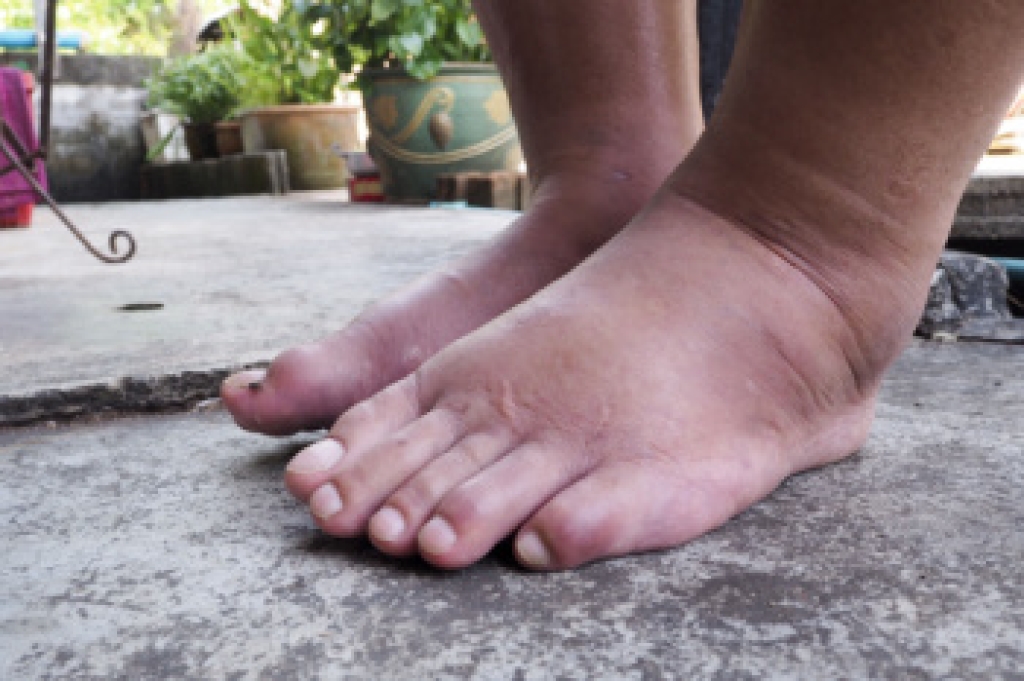
Swollen feet, also known as peripheral edema, occur when excess fluid builds up in the tissues of the lower extremities. This condition can affect one or both feet, and may develop gradually or suddenly. Common causes include prolonged sitting or standing, excess salt intake, and wearing shoes that are too small. Consuming too much liquid in a short period of time may also contribute to fluid retention in some individuals. While swelling is often temporary, it can signal an underlying issue when it persists.
Symptoms of swollen feet include visible puffiness, tight skin, and a feeling of heaviness in the lower legs. Individuals may notice difficulty fitting into shoes or indentations in the skin after pressure is applied. Discomfort, stiffness, and mild pain may also occur, especially after long periods of inactivity or standing. In some cases, swelling may worsen by the end of the day and improve with rest or elevation.
Risk factors for swollen feet include sedentary behavior, high sodium intake, and poor circulation. Individuals who sit or stand for extended periods of time may experience reduced blood flow, leading to fluid accumulation. Wearing restrictive footwear can limit circulation and increase pressure on the feet. Certain lifestyle habits and dietary patterns may further contribute to swelling, particularly when combined with limited physical activity.
Managing swollen feet involves simple but effective lifestyle changes. Elevating the feet, reducing salt intake, and choosing properly-fitted shoes can help improve circulation and reduce fluid buildup. Regular movement throughout the day also supports healthy blood flow. Recognizing the cause of swelling is important for proper care and prevention. If you have swollen feet or ankles, it is suggested that you consult a podiatrist who can determine what the cause is and offer effective relief and prevention tips.
Swollen feet can be a sign of an underlying condition. If you have any concerns, contact the podiatrists of Boston Common Podiatry. Our doctors can provide the care you need to keep you pain-free and on your feet.
Swollen feet are a common ailment among pregnant women and people who stand or sit for extended periods. Aging may increase the possibility of swollen feet and patients who are obese often notice when their feet are swelling too. There may be medical reasons why swollen feet occur:
- Phlebitis - A condition that causes the veins to become inflamed and can also cause leg pain.
- Liver disease - This may lead to low blood levels of albumin which is a protein. This can cause fluid in the blood to pass into the tissues and several areas of the body can become swollen.
- Heart failure - When the heart doesn’t pump properly the blood that is normally pumped back to the heart can pool in the veins of the legs causing swollen feet.
- Kidney disease - One of the main functions of the kidneys is releasing excess fluid in the body. This type of condition can make it difficult for the kidneys to function properly, and as a result the feet may become swollen.
- Deep-vein thrombosis (DVT)- This is a serious condition where blood clots form in the veins of the legs. They can block the return of blood from the legs to the heart which may cause the feet to swell. It is important to be treated by a podiatrist if this condition is present.
Swollen feet can also be caused by bone and tendon conditions, including fractures, arthritis, and tendinitis. Additionally, there may be skin and toenail conditions and an infection may cause the feet to swell. Patients who take medicine to treat high blood pressure may be prone to getting swollen feet.
Many patients elevate their feet to help relieve the swelling and this is generally a temporary remedy. When a podiatrist is consulted the reason behind the swelling can be uncovered and subsequently treated.
If you have any questions please contact our office located in Boston, MA . We offer the newest diagnostic and treatment technologies for all your foot and ankle needs.