
Plantar warts are small growths that develop on parts of the feet that bear weight. They're typically found on the bottom of the foot. Don't live with plantar warts, and call us today!
Plantar warts are small growths that develop on parts of the feet that bear weight. They're typically found on the bottom of the foot. Don't live with plantar warts, and call us today!
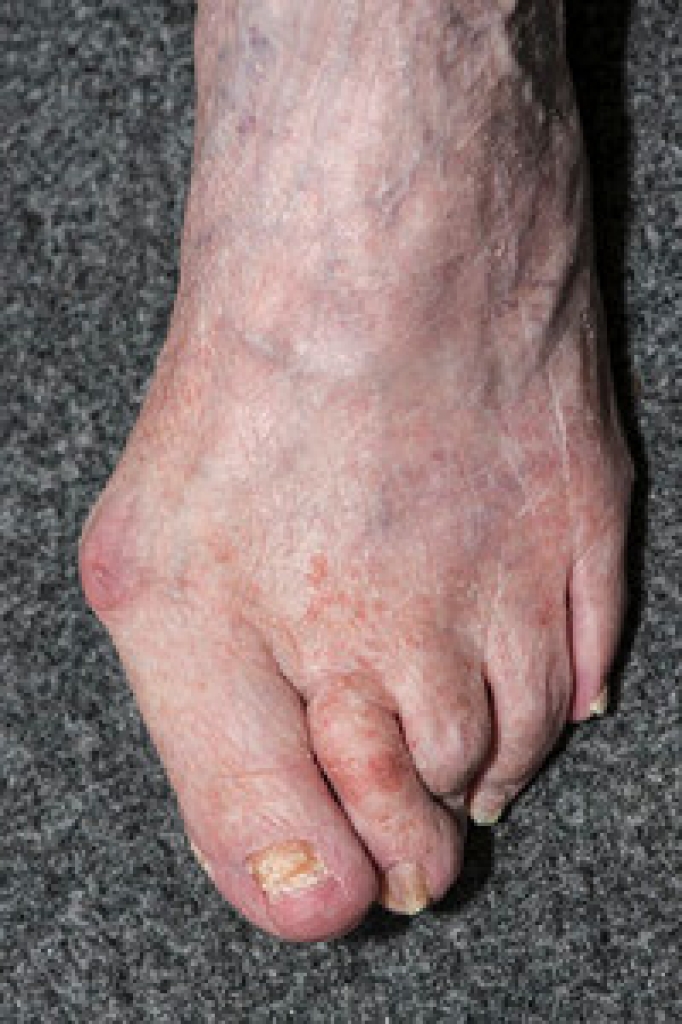 A bunion is considered to be a bone disorder that can gradually get worse. It appears as a bony protrusion on the side of the big toe, and larger shoes may need to be worn that can accommodate the growing bunion. It generally develops as a result of genetic factors, or from wearing shoes that do not have adequate room for the toes to move freely in. Additionally, existing medical conditions including flat feet and specific types of arthritis, may contribute to the development of a bunion. In severe cases, calluses may form on top of the bunion, and friction may cause this to happen. Some of the symptoms that are associated with this condition may include a numbing or burning sensation, and it may be difficult to move the affected toe. If you have signs of a bunion, it is suggested that you consult with a podiatrist who can guide you toward the correct treatment options.
If you are suffering from bunions, contact the podiatrists of Boston Common Podiatry. Our doctors can provide the care you need to keep you pain-free and on your feet.
What Is a Bunion?
A bunion is formed of swollen tissue or an enlargement of boney growth, usually located at the base joint of the toe that connects to the foot. The swelling occurs due to the bones in the big toe shifting inward, which impacts the other toes of the foot. This causes the area around the base of the big toe to become inflamed and painful.
Why Do Bunions Form?
Genetics – Susceptibility to bunions are often hereditary
Stress on the feet – Poorly fitted and uncomfortable footwear that places stress on feet, such as heels, can worsen existing bunions
How Are Bunions Diagnosed?
Podiatrists often perform two tests – blood tests and x-rays – when trying to diagnose bunions, especially in the early stages of development. Blood tests help determine if the foot pain is being caused by something else, such as arthritis, while x-rays provide a clear picture of your bone structure to your provider.
How Are Bunions Treated?
If you have any questions, please feel free to contact our office located in Boston, MA . We offer the newest diagnostic and treatment technologies for all your foot care needs.

Research has indicated that more than half of pregnant women experience uncomfortable foot conditions as it gets closer to delivering their child. A common ailment that is experienced can include flat feet, or collapsed arches, which can be a result of the additional weight the feet endure. Heel pain may come from plantar fasciitis which can happen when the tissue that runs along the bottom of the foot becomes inflamed. Hormonal changes may cause the condition that is known as cracked heels to develop, and relief may be found when a good moisturizer is frequently applied. If you would like additional information about how pregnancy can affect the feet, it is suggested that you consult with a podiatrist.
Pregnant women with swollen feet can be treated with a variety of different methods that are readily available. For more information about other cures for swollen feet during pregnancy, consult with the podiatrists from Boston Common Podiatry. Our doctors will attend to all of your foot and ankle needs.
What Foot Problems Can Arise During Pregnancy?
One problem that can occur is overpronation, which occurs when the arch of the foot flattens and tends to roll inward. This can cause pain and discomfort in your heels while you’re walking or even just standing up, trying to support your baby.
Another problem is edema, or swelling in the extremities. This often affects the feet during pregnancy but tends to occur in the later stages.
How Can I Keep My Feet Healthy During Pregnancy?
If you have any questions, please feel free to contact our office located in Boston, MA . We offer the newest diagnostic and treatment technologies for all your foot care needs.
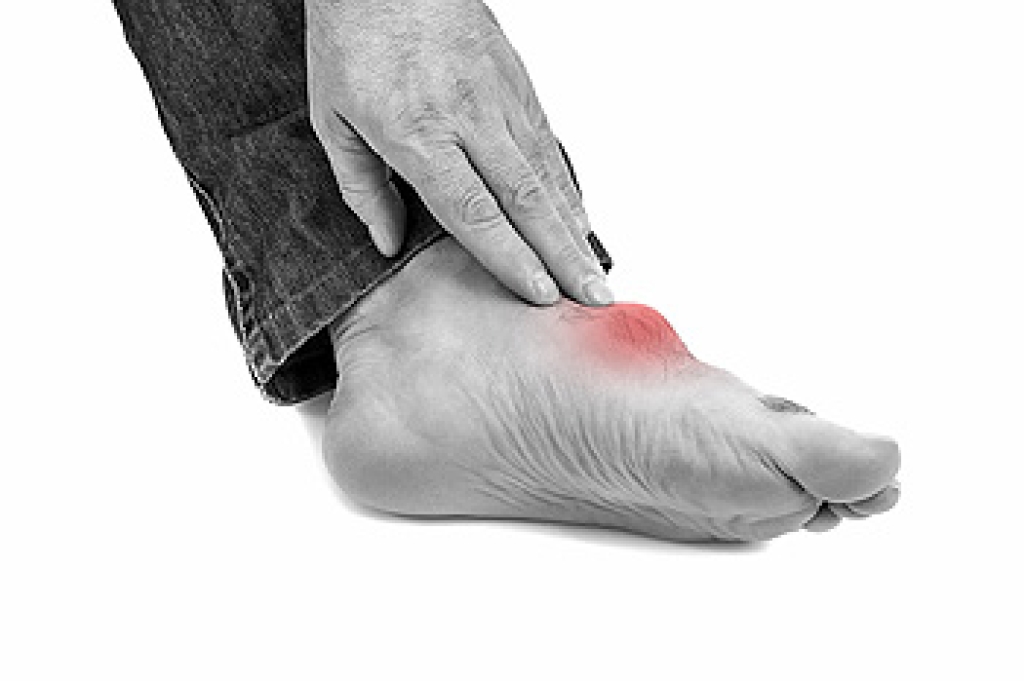 Gout is a type of inflammatory arthritis that occurs when too much uric acid is found in the blood. When this uric acid progressively builds up, crystals form that attach to the joints and lead to pain, often felt in the foot or ankle region. This pain may also come in spurts, which is typically referred to as gout attacks. Redness and swelling of the feet, along with pain, and feeling slightly feverish, are all symptoms you may experience if you have developed gout. Because this condition can be incredibly painful, it’s recommended that you seek the care of a podiatrist who will be able to properly diagnose your condition, as well as offer you a means to alleviate your discomfort.
Gout is a foot condition that requires certain treatment and care. If you are seeking treatment, contact the podiatrists from Boston Common Podiatry. Our doctors will treat your foot and ankle needs.
What Is Gout?
Gout is a type of arthritis caused by a buildup of uric acid in the bloodstream. It often develops in the foot, especially the big toe area, although it can manifest in other parts of the body as well. Gout can make walking and standing very painful and is especially common in diabetics and the obese.
People typically get gout because of a poor diet. Genetic predisposition is also a factor. The children of parents who have had gout frequently have a chance of developing it themselves.
Gout can easily be identified by redness and inflammation of the big toe and the surrounding areas of the foot. Other symptoms include extreme fatigue, joint pain, and running high fevers. Sometimes corticosteroid drugs can be prescribed to treat gout, but the best way to combat this disease is to get more exercise and eat a better diet.
If you have any questions, please feel free to contact our office located in Boston, MA . We offer the newest diagnostic and treatment technologies for all your foot care needs.

If you are suffering from tenderness, pain, or stiffness in the joints of your feet or ankles, call us to schedule an appointment.