Blog

Helpful Tips On Elderly Foot Care

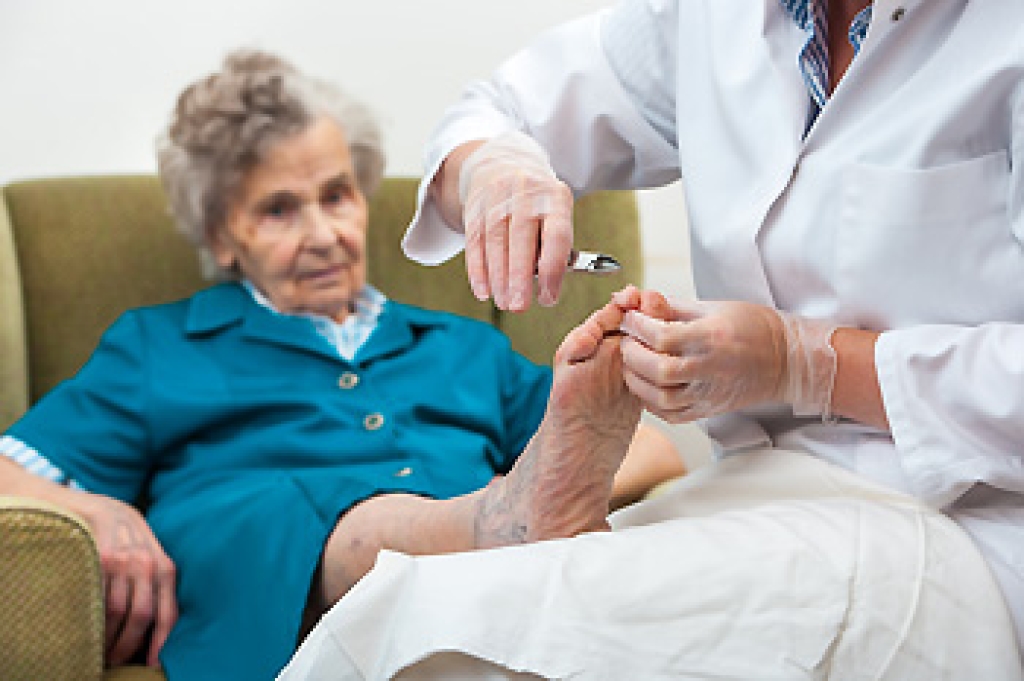
Research has shown the importance for elderly people to properly take care of their feet. It may be difficult for seniors to bend down to trim their toenails, and they may benefit from having a caregiver or a relative help them accomplish this. If the patient is diabetic, any cuts, scrapes, or wounds on the feet need to be treated as quickly as possible. This can be helpful in preventing any infections from developing. Additionally, wearing socks that fit properly may be helpful controlling existing circulation conditions. The feet may change size as the aging process occurs, and it is suggested that the  feet get measured regularly. This will help in determining the correct shoe size that will be comfortable to wear. Elderly patients may find it feels good to frequently stretch their feet, and this may benefit the overall health of the feet. If you would like additional information about how to help geriatric patients properly care for their feet, it is suggested that you consult with a podiatrist.

If you need your feet checked, contact the podiatrists of Boston Common Podiatry. Our doctors will attend to all of your foot and ankle needs and provide you with quality treatment.

Geriatrics and Podiatry
When people age, some common issues that may occur are bone density loss, dry skin, poor circulation, and rough brittle nails. These issues may also affect your foot health if the necessary steps are not taken to alleviate the problems.

It is important to take care of your feet because feet that are injured or diseased can affect your overall health. Having painful feet hinders your ability to do daily activities or may decrease your willingness to do the things that you need to do.

Visiting Your Geriatrician
As we age, health problems become more likely, so it is essential to visit your doctor for check-ups to ensure that you are doing the best you can to take care of your health. It is recommended to check your feet frequently for any possible cuts, bruises, swelling, corns or any other irregularities. 

Taking Care of Elderly Feet
Cracked or dry feet can be treated by applying moisturizer often. It is also important not to wear old socks because the older the sock is, the higher the possibility there will be that there is bacteria there. Wear fresh socks and make sure they fit properly.

Proper foot health means that you can have a more active lifestyle and you will not be bogged down by pain. Foot health also leads to good circulation, which is paramount for overall health.

If you have any questions, please feel free to contact our office located in Boston, MA . We offer the newest diagnostic and treatment technologies for all your foot care needs.

Read more about Geriatrics and Podiatry

It's Time for Beautiful Feet

You don't need an excuse to have beautiful nails. Step outside without worrying about the appearance of your feet.

The Definition of a Heel Spur

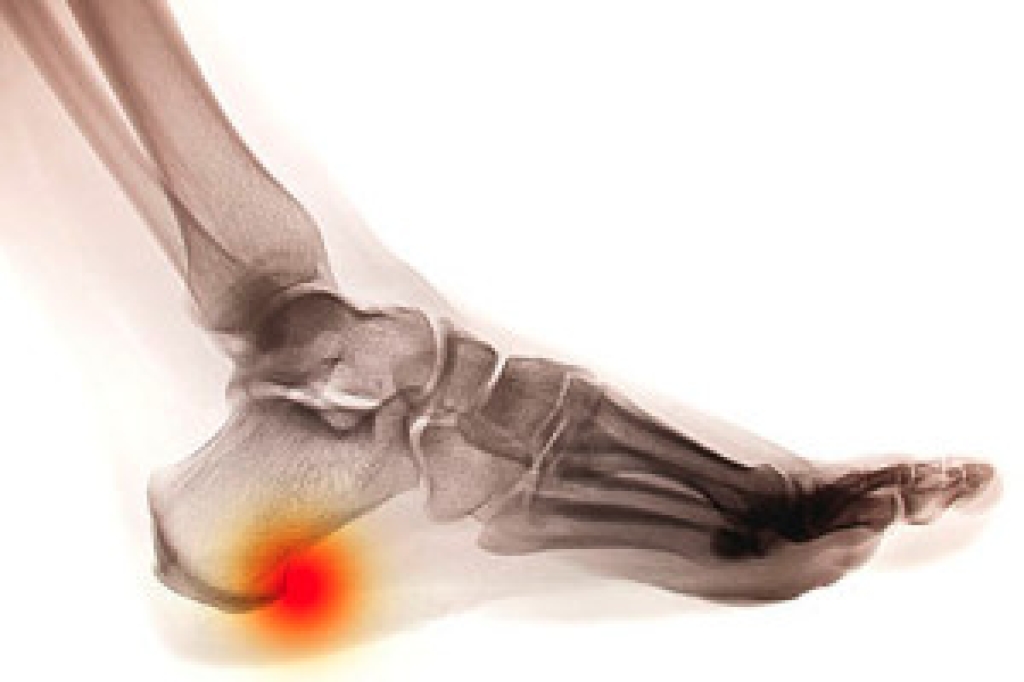
A small and hard protrusion that forms in the heel of the foot is referred to as a heel spur. They can have different shapes that can include being flat, hooked, or pointy. It begins in the heel, and typically grows toward the arch of the foot. It generally produces pain and discomfort while walking, standing, or running. Some patients experience swelling, and the heel may feel achy for the majority of the day. As the aging process occurs, the heel pads may become thinner, and may fail to provide adequate shock absorption. Calcium deposits may gradually develop, the deposits form bony protrusions, which are heel spurs. Patients who are overweight or walk on hard surfaces could be prone to developing this type of foot condition, in addition to wearing shoes that do not fit correctly. Relief may be felt when the foot is elevated, and it is beneficial to wear shoes that have additional cushioning. If you have developed a heel spur, it is advised that you consult with a podiatrist who can properly treat this condition.

Heel spurs can be incredibly painful and sometimes may make you unable to participate in physical activities. To get medical care for your heel spurs, contact the podiatrists from Boston Common Podiatry. Our doctors will do everything possible to treat your condition.

Heels Spurs

Heel spurs are formed by calcium deposits on the back of the foot where the heel is. This can also be caused by small fragments of bone breaking off one section of the foot, attaching onto the back of the foot. Heel spurs can also be bone growth on the back of the foot and may grow in the direction of the arch of the foot.

Older individuals usually suffer from heel spurs and pain sometimes intensifies with age. One of the main condition's spurs are related to is plantar fasciitis.

Pain

The pain associated with spurs is often because of weight placed on the feet. When someone is walking, their entire weight is concentrated on the feet. Bone spurs then have the tendency to affect other bones and tissues around the foot. As the pain continues, the feet will become tender and sensitive over time.

Treatments

There are many ways to treat heel spurs. If one is suffering from heel spurs in conjunction with pain, there are several methods for healing. Medication, surgery, and herbal care are some options.

If you have any questions, please feel free to contact our office located in Boston, MA . We offer the newest diagnostic and treatment technologies for all your foot care needs.
Read more about Heel Spurs

Possible Causes of Ingrown Toenails

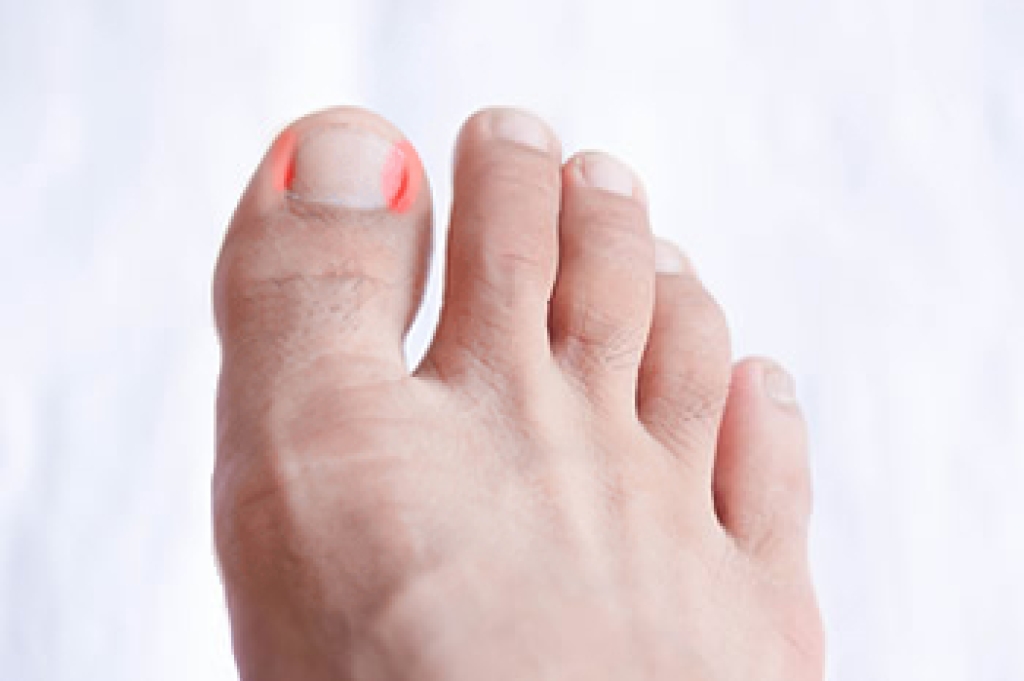
When a toenail grows into the skin instead of over it, it is referred to as an ingrown toenail. The symptoms that are often accompanied with this condition can consist of tenderness, redness, and swelling. Common reasons for this condition to manifest may include wearing shoes that do not have adequate room for the toes to move freely in, cutting the toenail too short, or from an injury that has happened to the toe. Patients who have ingrown toenails that are not infected may find mild relief when the foot is soaked in warm water. This may enable you to gently move the nail away from the skin it has grown into. If you have developed this ailment, it is suggested that you consult with a podiatrist who can properly treat infected and uncomfortable ingrown toenails.

Ingrown toenails can become painful if they are not treated properly. For more information about ingrown toenails, contact the podiatrists of Boston Common Podiatry. Our doctors can provide the care you need to keep you pain-free and on your feet.

Ingrown Toenails

Ingrown toenails occur when a toenail grows sideways into the bed of the nail, causing pain, swelling, and possibly infection.

Causes

  • Bacterial infections
  • Improper nail cutting such as cutting it too short or not straight across
  • Trauma to the toe, such as stubbing, which causes the nail to grow back irregularly
  • Ill-fitting shoes that bunch the toes too close together
  • Genetic predisposition

Prevention

Wearing proper fitting shoes and using proper cutting techniques will also help decrease your risk of developing ingrown toenails.

Treatment

Ingrown toenails are a very treatable foot condition. In minor cases, soaking the affected area in salt or antibacterial soaps will not only help with the ingrown nail itself, but also help prevent any infections from occurring. In more severe cases, surgery is an option. In either case, speaking to your podiatrist about this condition will help you get a better understanding of specific treatment options that are right for you.

If you have any questions, please feel free to contact our office located in Boston, MA . We offer the newest diagnostic and treatment technologies for all your foot care needs.
Read more about Ingrown Toenail Care

Possible Causes of Cracked Heels

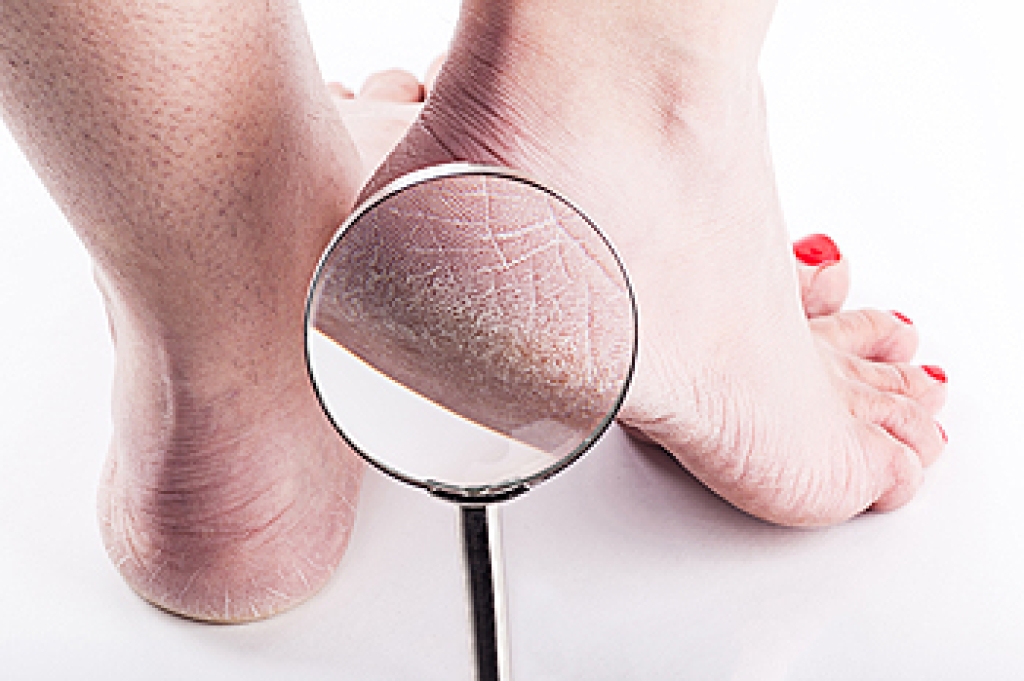
Patients who have severely dry skin on the heels of the feet are prone to a condition that is referred to as cracked heels. It can happen for a variety of reasons, including standing for extended periods of time throughout the day, and wearing shoes that have an open back. Additionally, existing medical conditions such as psoriasis, eczema, and thyroid disorders may play a significant role in the formation of cracked heels. Research has indicated the chances of developing this condition may increase for patients who are obese. Partial relief may be found when the feet are washed and dried thoroughly followed by applying a good moisturizer on and around the affected area. If you have cracked heels, it is suggested that you seek the counsel of a podiatrist who can guide you toward proper treatment options.

If the skin on your feet starts to crack, you may want to see a podiatrist to find treatment. If you have any concerns, contact the podiatrists from Boston Common Podiatry. Our doctors can provide the care you need to keep you pain-free and on your feet.

Cracked Heels

It is important to moisturize your cracked heels in order to prevent pain, bleeding, and infection. The reason cracked heels form is because the skin on the foot is too dry to support the immense pressure placed on them. When the foot expands, the dry skin on the foot begins to split.

Ways to Help Heal Them

  • Invest in a good foot cream
  • Try Using Petroleum Jelly
  • Ease up on Soaps
  • Drink Plenty of Water

Ways to Prevent Cracked Heels

  • Moisturize After Showering
  • Skip a Shower
  • Keep Shower Water Lukewarm
  • Don’t Scrub Your Feet

If you are unsure how to proceed in treating cracked heels, seek guidance from a podiatrist. Your doctor will help you with any questions or information you may need. 

If you have any questions, please feel free to contact our office located in Boston, MA . We offer the newest diagnostic and treatment technologies for all your foot care needs.
Read more about Solutions for Cracked Heels
Advanced Podiatric Procedures & Services in the Suffolk County, MA: Boston (Chelsea, Revere, Winthrop), Middlesex County, MA: Medford, Cambridge, Somerville, Malden, Woburn, Waltham, Watertown, Arlington, Newton), and Norfolk County, MA: Quincy, Brookline, Milton, Dedham, Wellesley areas