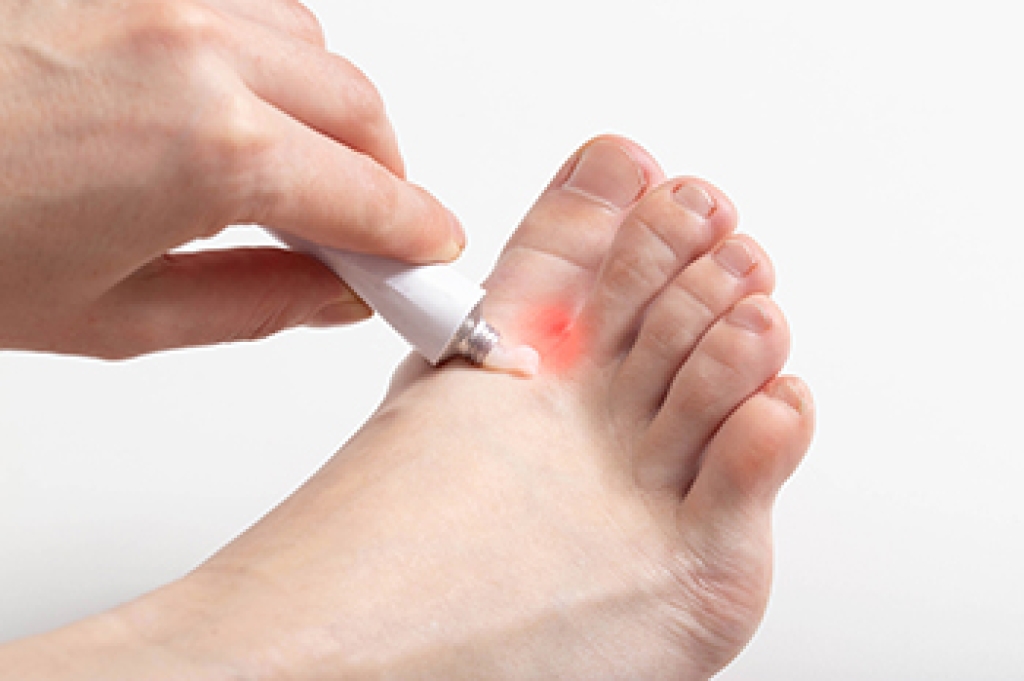
Athlete’s foot is a common fungal infection that affects the skin of the feet, especially between the toes. It is caused by dermatophyte fungi that thrive in warm, moist environments. This condition is highly contagious until treated with antifungal drugs, making early detection important. Athlete's foot can spread quickly through direct contact or by touching contaminated surfaces, which is why proper hygiene plays a critical role in prevention and recovery.
Symptoms of athlete’s foot often begin with itchy feet and may progress to redness, scaling, and peeling skin. Some individuals experience burning sensations, cracking, or discomfort when walking. In more advanced cases, blisters or sores may develop, increasing the risk of secondary infection. Symptoms tend to worsen in enclosed footwear where moisture is trapped, creating an ideal environment for fungal growth.
The infection spreads through shared surfaces such as locker room floors, public showers, and pool areas. It can also transfer through shared towels, shoes, and even contact with pets that carry fungal organisms. Wearing damp socks or tight shoes can further increase exposure and allow the fungus to grow. These factors make athlete's foot a persistent condition if not addressed properly.
Risk factors include excessive sweating, use of non-breathable footwear, and frequent exposure to communal areas. Individuals who are active or spend long hours in shoes are more susceptible. Keeping feet clean and dry is essential in reducing risk. If you have symptoms of athlete’s foot, it is suggested that you consult a podiatrist for effective relief and treatment solutions, which may include prescribed medication.
Athlete’s foot is an inconvenient condition that can be easily reduced with the proper treatment. If you have any concerns about your feet and ankles, contact the podiatrists from Boston Common Podiatry. Our doctors will treat your foot and ankle needs.
Athlete’s Foot: The Sole Story
Athlete's foot, also known as tinea pedis, can be an extremely contagious foot infection. It is commonly contracted in public changing areas and bathrooms, dormitory style living quarters, around locker rooms and public swimming pools, or anywhere your feet often come into contact with other people.
Solutions to Combat Athlete’s Foot
- Hydrate your feet by using lotion
- Exfoliate
- Buff off nails
- Use of anti-fungal products
- Examine your feet and visit your doctor if any suspicious blisters or cuts develop
Athlete’s foot can cause many irritating symptoms such as dry and flaking skin, itching, and redness. Some more severe symptoms can include bleeding and cracked skin, intense itching and burning, and even pain when walking. In the worst cases, Athlete’s foot can cause blistering as well. Speak to your podiatrist for a better understanding of the different causes of Athlete’s foot, as well as help in determining which treatment options are best for you.
If you have any questions please feel free to contact our office located in Boston, MA . We offer the newest diagnostic and treatment technologies for all your foot and ankle needs.