Blog

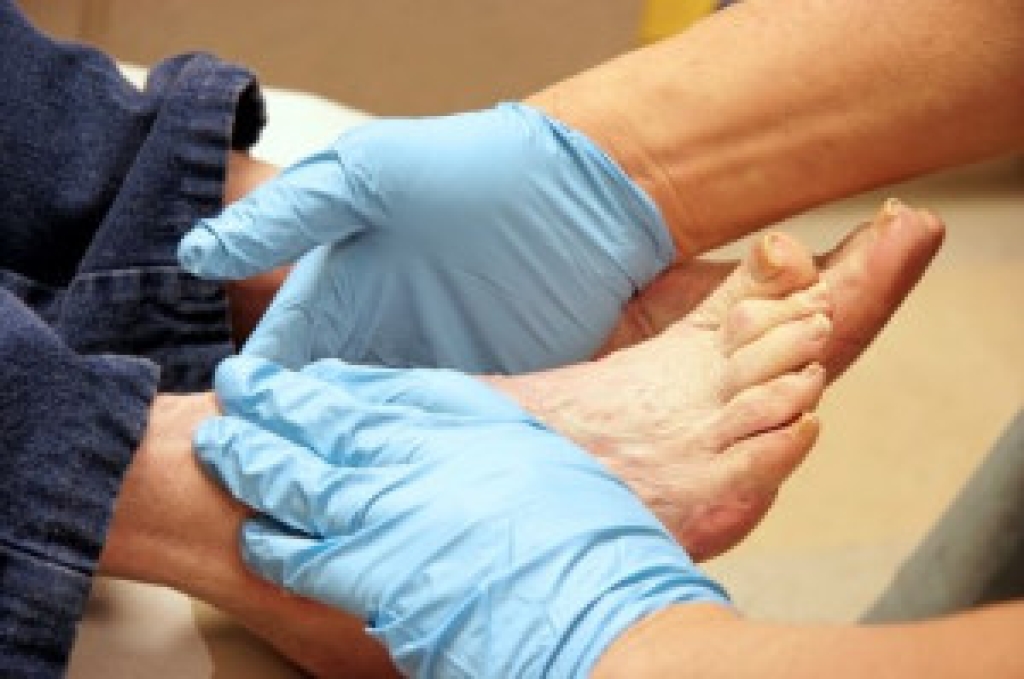
How Foot Function in Diabetic Patients Relates to Limb Salvage

Diabetes can lead to peripheral neuropathy and poor circulation, making the foot more vulnerable to injuries. Altered foot biomechanics, such as abnormal pressure distribution or foot deformities, can increase the risk of ulcers, particularly in weight-bearing areas like the heel or ball of the foot. Without the protective sensation due to neuropathy, individuals may not notice injuries, which, combined with poor healing due to impaired circulation, can escalate to infections or deep tissue damage. This increases the risk of gangrene and amputation. Limb salvage focuses on correcting or accommodating these biomechanical issues to prevent ulceration and promote healing. This may involve custom orthotics, offloading devices, or surgical intervention to correct deformities. Early detection, proper foot care, and regular monitoring are essential to avoid complications and preserve limb function in diabetic patients. If you have diabetes, it is strongly suggested that you visit a podiatrist regularly to have your feet examined, so any abnormalities or injuries can be promptly treated.

Diabetic Limb Salvage

Diabetic limb salvage can be an effective way in preventing the need for limb amputation. If you have a foot ulcer and diabetes, consult with the podiatrists from Boston Common Podiatry. Our doctors will assess your condition and provide you with quality foot and ankle treatment.

What Is Diabetic Limb Salvage?

Diabetic limb salvage is the attempt of saving a limb, such as the foot, that has an infected ulcer, from amputation. Podiatrists also try to make sure that there is enough function in the foot after the salvage that it is still usable. Those with diabetes experience poor blood circulation, which prevents proper healing of an ulcer. If the ulcer is left uncheck, it could become infected, which could result in the need for amputation.

Diabetes is the number one cause of non-traumatic amputations in the United States. Amputation has been found to lead to higher mortality rates. This translates into higher healthcare costs, and a reduced quality of life and mobility for amputees. Podiatrists have attempted to increase the prevalence of limb salvage in an attempt to solve these issues.

Diagnosis and Treatment

Limb salvage teams have grown in recent years that utilize a number of different treatments to save the infected limb. This includes podiatrists that specialize in wound care, rehabilitation, orthotics, and surgery. Through a combination of these methods, limb salvage has been found to be an effective treatment for infected limbs, and as an alternative to amputation. Podiatrists will first evaluate the potential for limb salvage and determine if the limb can be saved or must be amputated. 

If you have any questions, please feel free to contact our office located in Boston, MA . We offer the newest diagnostic and treatment technologies for all your foot care needs.


Read more about Diabetic Limb Salvage

Why Live with Pain and Numbness in Your Feet?

Suffering from this type of pain? You may have the foot condition known as Morton's neuroma. Morton's neuroma may develop as a result of ill-fitting footwear and existing foot deformities. We can help.

Finding Well-Fitting Shoes for Aging Feet

As we age, feet change shape, often becoming wider or flatter due to the loss of fat padding and muscle tone. It is important to ensure shoes provide both comfort and support, fitting snugly without being too wide or narrow. Poorly fitted shoes can worsen issues like osteoarthritis, diabetic nerve damage, hammertoes, bunions, and calluses. Shoes with rubber soles and treads offer the best traction on most surfaces, reducing the risk of falls. Different shoes should be worn for different activities. Supportive walking shoes, for instance, differ from athletic shoes. When shopping for shoes, measure your feet and shop later in the day, when feet are naturally swollen. Shoes should feel immediately comfortable, requiring no breaking in. Proper fit and support can help alleviate foot pain and improve overall mobility, making it important to regularly assess your footwear needs. If you have foot or ankle discomfort, it is suggested that you schedule an appointment with a podiatrist who can offer a proper diagnosis, treatment, and additional pointers on choosing well-fitting footwear.

Getting the right shoe size is an important part of proper foot health. Seek the assistance of the podiatrists from Boston Common Podiatry. Our doctors will provide the care you need to keep you pain-free and on your feet.

Getting the Right Shoe Size

There are many people who wear shoes that are the incorrect size, negatively affecting their feet and posture. Selecting the right shoes is not a difficult process, so long as you keep several things in mind when it comes to choosing the right pair.

  • When visiting the shoe store, use the tools available to measure your foot.
  • Be sure there is ‘wiggle room’. There should be about an inch between your toes and the tip of your shoes.
  • Do not always assume you are the same size, as manufacturers run differently.
  • Purchase shoes later in the day, as your feet swell as the day progresses.
  • If a shoe is not comfortable, it is not suitable. Most shoes can’t be ‘broken in’, and comfort should be the ultimate goal when it comes to choosing the right pair of shoes

As our feet hold our body weight and keep us moving, it is important to treat them right. Picking the right pair of shoes can provide your feet comfort and mobility without pain.

If you have any questions, please feel free to contact our office located in Boston, MA . We offer the newest diagnostic and treatment technologies for all your foot care needs.

Read more about Getting the Right Shoe Size: To Keep Your Feet Happy

Locations and Causes of Ankle Pain

Ankle pain can come from different parts of the ankle, including bones, ligaments, muscles, nerves, and tendons. One common cause is a sprain in a ligament on the outside of the ankle, called the anterior talofibular ligament, which can get overstretched or torn if you twist your ankle suddenly. Pain on the inside of the ankle might be due to an injury to the deltoid ligament, which helps support the inner side of the ankle, and this can happen if you twist your ankle inwards or suffer a blow. Pain higher up on the ankle, near where the shin bones meet, can occur if the ligaments that hold those bones together are injured, often from a severe twisting motion. Muscles in the ankle can also get strained from overuse, and nerves can become painful due to conditions like tarsal tunnel syndrome, which is similar to carpal tunnel in the wrist. Injuries to tendons, like the Achilles tendon at the back of the ankle, can also cause significant pain. If you have ankle pain, it is suggested that you make an appointment with a podiatrist for an exam, diagnosis, and treatment.

Ankle pain can be caused by a number of problems and may be potentially serious. If you have ankle pain, consult with the podiatrists from Boston Common Podiatry. Our doctors will assess your condition and provide you with quality foot and ankle treatment.

Ankle pain is any condition that causes pain in the ankle. Due to the fact that the ankle consists of tendons, muscles, bones, and ligaments, ankle pain can come from a number of different conditions.

Causes

The most common causes of ankle pain include:

  • Types of arthritis (rheumatoid, osteoarthritis, and gout)
  • Ankle sprains
  • Broken ankles
  • Achilles tendonitis
  • Achilles tendon rupture
  • Stress fractures
  • Bursitis
  • Tarsal tunnel syndrome
  • Plantar fasciitis

Symptoms

Symptoms of ankle injury vary based upon the condition. Pain may include general pain and discomfort, swelling, aching, redness, bruising, burning or stabbing sensations, and/or loss of sensation.

Diagnosis

Due to the wide variety of potential causes of ankle pain, podiatrists will utilize a number of different methods to properly diagnose ankle pain. This can include asking for personal and family medical histories and of any recent injuries. Further diagnosis may include sensation tests, a physical examination, and potentially x-rays or other imaging tests.

Treatment

Just as the range of causes varies widely, so do treatments. Some more common treatments are rest, ice packs, keeping pressure off the foot, orthotics and braces, medication for inflammation and pain, and surgery.

If you have any questions please feel free to contact our office located in Boston, MA . We offer the newest diagnostic tools and technology to treat your foot and ankle needs.

Read more about Ankle Pain

Causes of Pain in the Ball of the Feet

Pain in the ball of the foot, known as metatarsalgia, can arise from various causes. Often, it results from increased pressure on this area of the foot. This may result from wearing poorly fitting shoes, especially those with high heels or a narrow toe box, as well as engaging in activities that place a lot of stress on the feet, like running or tennis. Being overweight can also contribute by adding extra strain on the feet. Underlying health conditions, such as arthritis and diabetes, can lead to pain in the ball of the foot. Symptoms of metatarsalgia include a burning or aching sensation, shooting pain, or even tingling or numbness in the toes. A podiatrist can diagnose the cause of your foot pain and suggest footwear adjustments, supportive devices like insoles, or other medical interventions. If you have pain in the ball of your foot, it is suggested that you schedule an appointment with a podiatrist to determine the cause and recommend appropriate treatment.

Foot Pain

Foot pain can be extremely painful and debilitating. If you have a foot pain, consult with the podiatrists from Boston Common Podiatry. Our doctors will assess your condition and provide you with quality foot and ankle treatment.

Causes

Foot pain is a very broad condition that could be caused by one or more ailments. The most common include:

  • Bunions
  • Hammertoes
  • Plantar Fasciitis
  • Bone Spurs
  • Corns
  • Tarsal Tunnel Syndrome
  • Ingrown Toenails
  • Arthritis (such as Gout, Rheumatoid, and Osteoarthritis)
  • Flat Feet
  • Injury (from stress fractures, broken toe, foot, ankle, Achilles tendon ruptures, and sprains)
  • And more

Diagnosis

To figure out the cause of foot pain, podiatrists utilize several different methods. This can range from simple visual inspections and sensation tests to X-rays and MRI scans. Prior medical history, family medical history, and any recent physical traumatic events will all be taken into consideration for a proper diagnosis.

Treatment

Treatment depends upon the cause of the foot pain. Whether it is resting, staying off the foot, or having surgery; podiatrists have a number of treatment options available for foot pain.

If you have any questions, please feel free to contact our office located in Boston, MA . We offer the newest diagnostic and treatment technologies for all your foot care needs.

Read more about Foot Pain
scroll to top