Blog

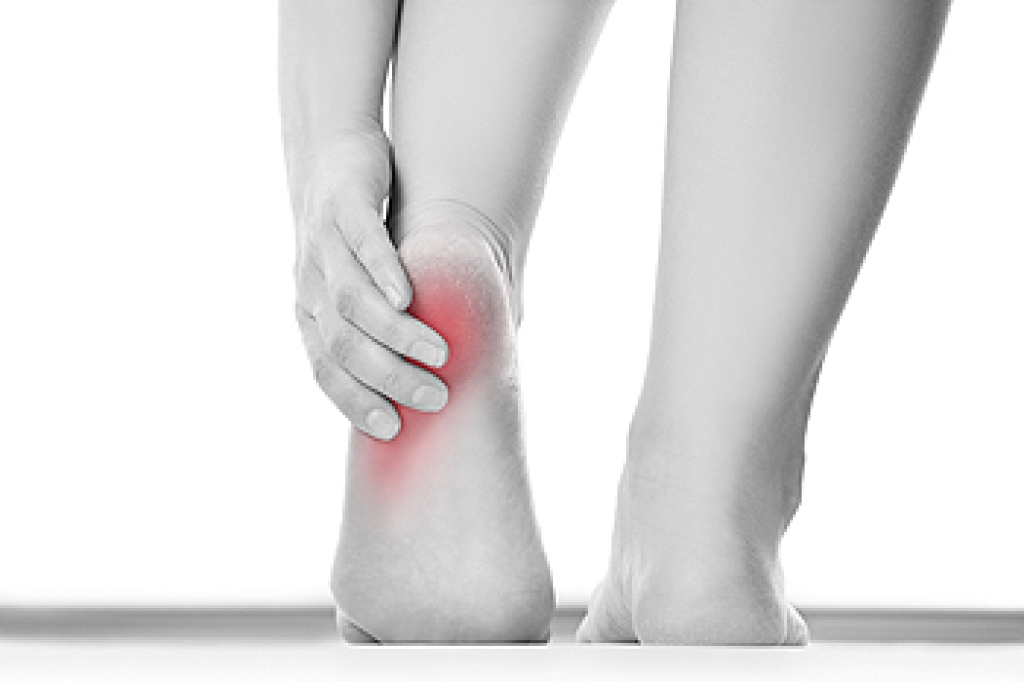
Heel Pain May Be Common Among Overweight Patients

Obesity affects a large percentage of people worldwide. The additional weight the feet endure can lead to the development of painful foot conditions. Heel pain is a common ailment, and it can be indicative of specific foot complications. These can include plantar fasciitis, flat feet, or different types of arthritis. Many people who are overweight are faced with the dilemma of lacking the desire to exercise. Performing frequent stretches and exercises is beneficial to losing weight, despite that it may be difficult to accomplish. If you have gained weight and have frequent heel pain, it is recommended that you are under the care of a podiatrist who can properly diagnose you and help to manage your weight.

The more you weigh, the harder your feet must work to support your body. If you’re an obese individual and are concerned about your feet, contact the podiatrists from Boston Common Podiatry. Our doctors can provide the care you need to keep you pain-free and on your feet.

Obesity and Your Feet

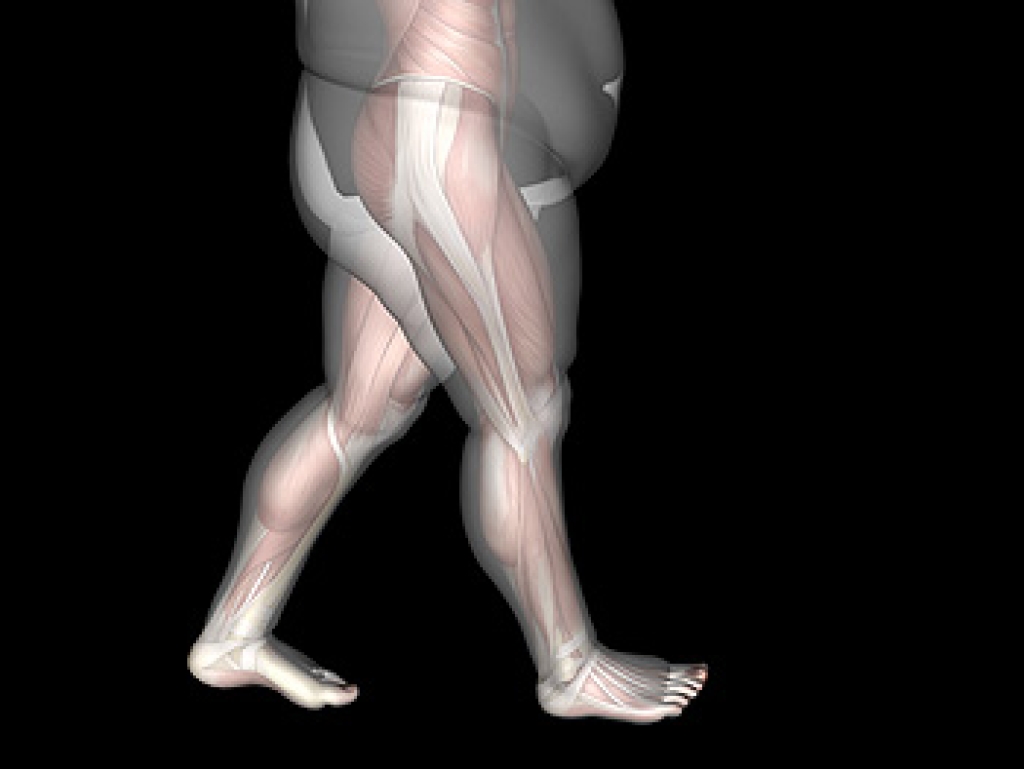
People who are overweight are putting more pressure on their ankles, knees, and hips as well as their feet. This unfortunately can lead to variety of different issues.

Problems & Complications Stemming from Obesity

  • When the body is overweight, it tries to compensate by changing the way that it moves. An obese person may lean forward and put extra weight on the wrong part of the foot. This puts unnecessary stress on the feet.
  • Obese people are also more likely to develop type II diabetes which is a condition that causes a lot of foot problems. People with diabetes often don’t feel the cuts and sores that they may have on their feet, which can lead to more complicated and severe issues.
  • Plantar fasciitis is another foot condition that can be caused by obesity. Plantar fasciitis is an inflammation of the tissue along the bottom of the foot, which causes pain and stiffness while walking and climbing stairs.

If you have any questions please contact our office located in Boston, MA . We offer the newest diagnostic and treatment technologies for all your foot and ankle needs.

Read more about Obesity and the Feet

Caring for Heels Spurs

Heels spurs are often defined as a buildup of calcium deposits that form on the underside of the heel bone. When the foot muscles or ligaments are inflamed or strained, a heel spur may develop. Heel spurs can be particularly painful when partaking in activities such as walking, running, or jogging. To help care for a heel spur, it’s suggested that the affected foot is regularly rested and iced. Performing stretches before getting out of bed, wearing properly fitted shoes as well as inserts, and maintaining a healthy weight, can all benefit in relieving the discomfort of a heel spur. In order to treat this condition, it’s suggested you seek the professional care of a podiatrist.

Heel spurs can be incredibly painful and sometimes may make you unable to participate in physical activities. To get medical care for your heel spurs, contact the podiatrists from Boston Common Podiatry. Our doctors will do everything possible to treat your condition.

Heels Spurs

Heel spurs are formed by calcium deposits on the back of the foot where the heel is. This can also be caused by small fragments of bone breaking off one section of the foot, attaching onto the back of the foot. Heel spurs can also be bone growth on the back of the foot and may grow in the direction of the arch of the foot.

Older individuals usually suffer from heel spurs and pain sometimes intensifies with age. One of the main condition's spurs are related to is plantar fasciitis.

Pain

The pain associated with spurs is often because of weight placed on the feet. When someone is walking, their entire weight is concentrated on the feet. Bone spurs then have the tendency to affect other bones and tissues around the foot. As the pain continues, the feet will become tender and sensitive over time.

Treatments

There are many ways to treat heel spurs. If one is suffering from heel spurs in conjunction with pain, there are several methods for healing. Medication, surgery, and herbal care are some options.

If you have any questions, please feel free to contact our office located in Boston, MA . We offer the newest diagnostic and treatment technologies for all your foot care needs.

Read more about How to Treat Heel Spurs

Reducing Foot Discomfort During Pregnancy

During pregnancy, your body goes through a number of changes. Most obviously, a woman will gain a significant amount of weight. In turn, this causes the feet to now bear the weight of two. Due to the additional weight, the feet must now adjust to the increased pressure that is placed upon them. This may cause the feet to swell or ache, and your style of walking may become altered as well. To help reduce discomfort, it can be beneficial to regularly perform low impact exercises, for example going for a light stroll. It can also be helpful to avoid standing for long periods of time, periodically stretching, and wearing compression socks to encourage blood flow. For professional care, it’s suggested that you speak with a podiatrist for more information on foot care during pregnancy.

Pregnant women with swollen feet can be treated with a variety of different methods that are readily available. For more information about other cures for swollen feet during pregnancy, consult with the podiatrists from Boston Common Podiatry. Our doctors will attend to all of your foot and ankle needs.

What Foot Problems Can Arise During Pregnancy?

One problem that can occur is overpronation, which occurs when the arch of the foot flattens and tends to roll inward.  This can cause pain and discomfort in your heels while you’re walking or even just standing up, trying to support your baby.  

Another problem is edema, or swelling in the extremities. This often affects the feet during pregnancy but tends to occur in the later stages. 

How Can I Keep My Feet Healthy During Pregnancy?

  • Wearing orthotics can provide extra support for the feet and help distribute weight evenly
  • Minimize the amount of time spent walking barefoot
  • Wear shoes with good arch support
  • Wear shoes that allow for good circulation to the feet
  • Elevate feet if you experience swelling
  • Massage your feet
  • Get regular, light exercise, such as walking, to promote blood circulation to the feet

If you have any questions, please feel free to contact our office located in Boston, MA . We offer the newest diagnostic and treatment technologies for all your foot care needs.

Read more about Pregnancy and Foot Health

What Contributes to the Development of Cuboid Syndrome?

Cuboid syndrome is a foot condition that generally causes pain towards the outer midfoot region of the foot. When the surrounding tissue of the cuboid bone becomes inflamed, overused, or injured, cuboid syndrome is likely to develop. There are many different factors that can cause the development of this condition besides injury. For example, some patients may be more predisposed to developing this condition. These types of patients may include those who are obese, have pronated feet, train on uneven surfaces, and those who exercise excessively without easing into increasing the intensity of their workout. If you are experiencing pain near the midfoot area, it’s suggested that you consult with a podiatrist for a proper diagnosis and an advised treatment plan.

Cuboid syndrome, also known as cuboid subluxation, occurs when the joints and ligaments near the cuboid bone in the foot become torn. If you have cuboid syndrome, consult with the podiatrists from Boston Common Podiatry. Our doctors will assess your condition and provide you with quality foot and ankle treatment.

Cuboid syndrome is a common cause of lateral foot pain, which is pain on the outside of the foot. The condition may happen suddenly due to an ankle sprain, or it may develop slowly overtime from repetitive tension through the bone and surrounding structures.

Causes

The most common causes of cuboid syndrome include:

  • Injury – The most common cause of this ailment is an ankle sprain.
  • Repetitive Strain – Tension placed through the peroneus longus muscle from repetitive activities such as jumping and running may cause excessive traction on the bone causing it to sublux.
  • Altered Foot Biomechanics – Most people suffering from cuboid subluxation have flat feet.

Symptoms

A common symptom of cuboid syndrome is pain along the outside of the foot which can be felt in the ankle and toes. This pain may create walking difficulties and may cause those with the condition to walk with a limp.

Diagnosis

Diagnosis of cuboid syndrome is often difficult, and it is often misdiagnosed. X-rays, MRIs and CT scans often fail to properly show the cuboid subluxation. Although there isn’t a specific test used to diagnose cuboid syndrome, your podiatrist will usually check if pain is felt while pressing firmly on the cuboid bone of your foot.

Treatment

Just as the range of causes varies widely, so do treatments. Some more common treatments are ice therapy, rest, exercise, taping, and orthotics.

If you have any questions, please feel free to contact our office located in Boston, MA . We offer the newest diagnostic and treatment technologies for all your foot care needs.

Read more about All About Cuboid Syndrome

Why Live with Pain and Numbness in Your Feet?

Suffering from this type of pain? You may have the foot condition known as Morton's neuroma. Morton's neuroma may develop as a result of ill-fitting footwear and existing foot deformities. We can help.

Advanced Podiatric Procedures & Services in the Suffolk County, MA: Boston (Chelsea, Revere, Winthrop), Middlesex County, MA: Medford, Cambridge, Somerville, Malden, Woburn, Waltham, Watertown, Arlington, Newton), and Norfolk County, MA: Quincy, Brookline, Milton, Dedham, Wellesley areas