

slide-dance-01.jpg
slide-our-doctors.jpg
slide-swift-pro-01.jpg
slide-ballet.jpg
shockwave-therapy-curamedix.jpg


WE PROVIDE FOOT CARE FOR THE WHOLE FAMILY
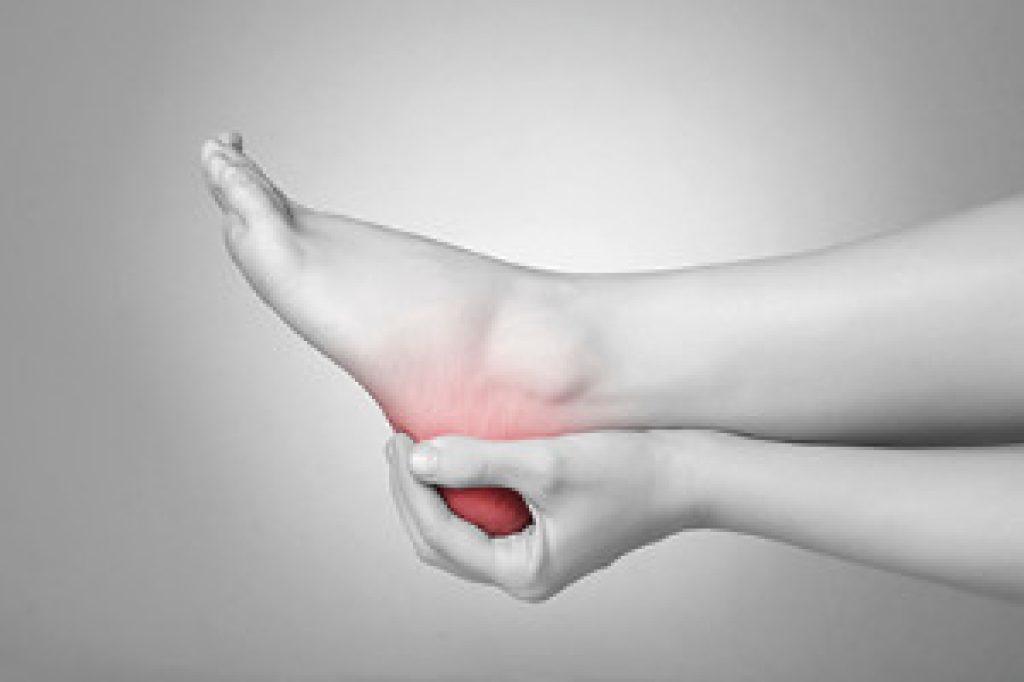
Suffering from foot, ankle or heel pain?
As the official podiatrist for the Boston Ballet, Jordana Szpiro, DPM, FACFAS has the credentials and expertise to treat all your foot and ankle concerns. Located in Boston, MA, our practice, Boston Common Podiatry, has access to various advanced equipment regarding podiatric treatment and procedures, we have on-site x-ray and handicap entrance.
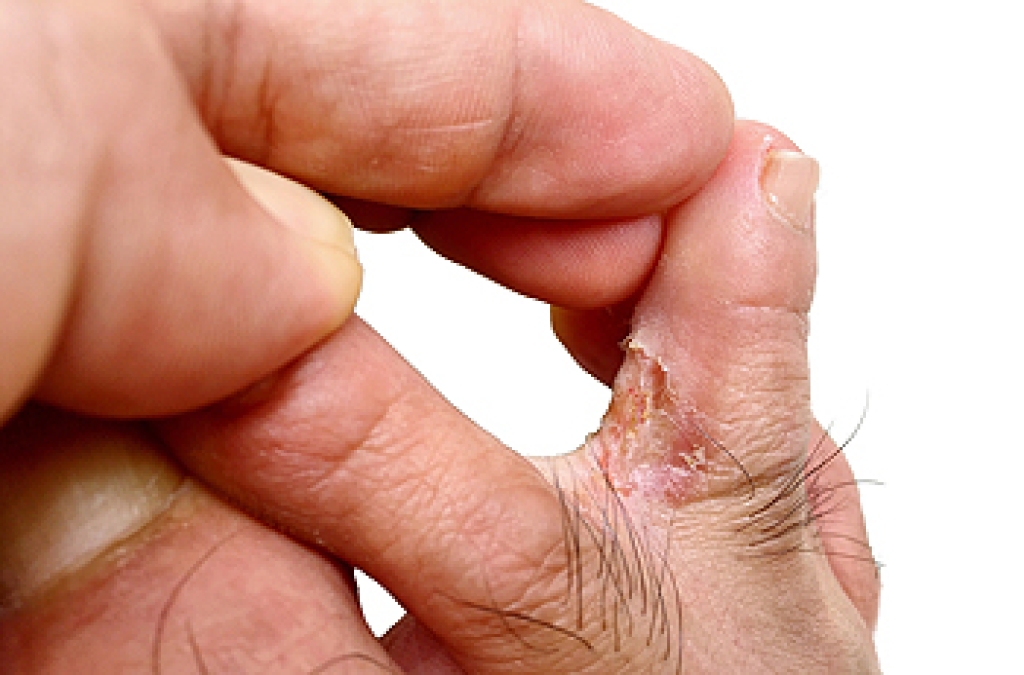
Boston Common Podiatry specializes in heel pain, skin conditions of the foot, sports medicine, general podiatric care, laser wart removal, laser treatment for fungal nails, and we offer custom made orthotics as well! We perform procedures involving surgery, as well as shockwave therapy (EPAT) and Sculptra foot fillers. As a practice, we work with each patient to develop a unique plan that will address all of their problems.
Dr. Szpiro is an expert in laser wart removal and the treatment of toenail fungus through the use of laser therapy. Dr. Szpiro has lectured extensively on various topics, most recently at the APMA Annual Scientific Meeting on laser treatment for toenail fungus. Whatever podiatric concern you may be facing, our doctor is sure to be able to help!
To schedule an appointment, call us at (617) 286-5163. We accept a variety of insurance plans and payment with cash, check, or credit card.
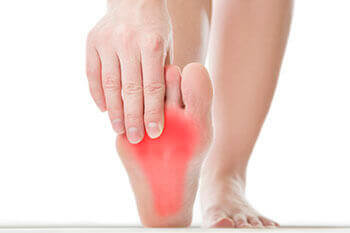
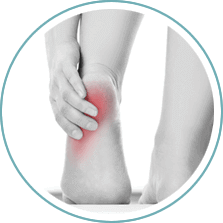
Plantar fasciitis is a foot condition that particularly causes a great deal of pain in the heel area. Some patients have described the pain as stabbing and is typically felt in the morning, when first getting out of bed. You may also experience pain with this condition if you stand or sit for long periods of time throughout the day. The development of plantar fasciitis is quite common among runners, those who are overweight, and those who do get enough support from their footwear.
When small tears occur on the fascia, it may become inflamed, especially if too much pressure is put on the tissue. It’s extremely important that you seek professional help as soon as you feel any type of foot pain. If plantar fasciitis is left untreated, there’s a high chance you may develop chronic heel plan. You may also develop other issues connected with your foot, knee, hip, or back, all due to the body walking differently to relieve pain felt from plantar fasciitis.
For more information about plantar fasciitis, we recommend you consult with a podiatrist for a proper diagnosis and to discuss a treatment plan.
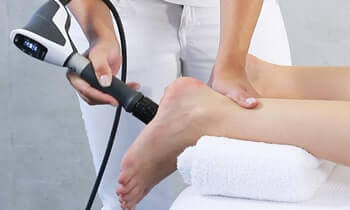
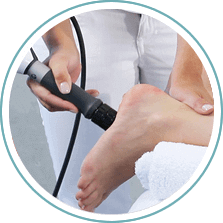
Extracorporeal Pulse Activation Technology (EPAT) is a new non-invasive treatment that is heralded as the most effective and advanced treatment available that is approved by the FDA. The new technology can generally treat acute or chronic musculoskeletal pain or pain that greatly debilitates mobility or quality of life. Specific areas treatable include:
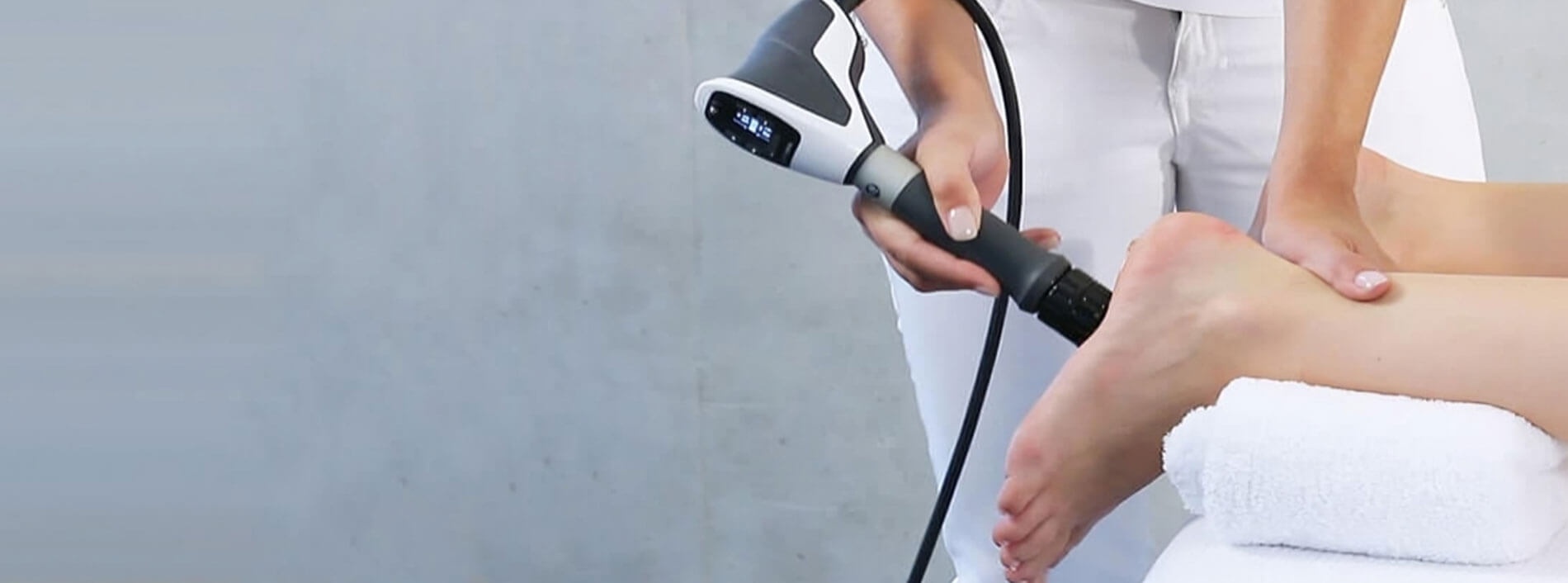
Extracorporeal Pulse Activation Technology (EPAT) revolves primarily around using a particular set of pressure waves that encourages the metabolism, improves blood circulation and speeds up the healing process. In turn, damaged tissue regenerates and heals. As a non-invasive office-based procedure, Extracorporeal Pulse Activation Technology (EPAT) represents a great advancement in treatment options for a wide range of musculoskeletal conditions.
Expected Results
Extracorporeal Pulse Activation Technology (EPAT) eliminates pain and restores full mobility, therefore improving quality of life. The benefits of Extracorporeal Pulse Activation Technology (EPAT) are typically experienced after only 3 treatments. Immediate pain relief is sometimes reported after treatment, though generally pain relief can take up to 4 weeks to begin. Over 80% of patients treated report being pain free and/or experiencing a significant reduction in pain.
Side Effects
Non-invasive Extracorporeal Pulse Activation Technology (EPAT) has virtually no risks or side effects. In rare cases, patients may experience minor discomfort for a few days. Slight residual pain after intense exercise or a full day of work is normal.
Safety
Extracorporeal Pulse Activation Technology (EPAT) is safe. The technology is FDA approved and has had extensive clinical studies and tests confirm its safety and efficacy. Extracorporeal Pulse Activation Technology (EPAT) was originally developed in Europe and is currently in use around the globe. If administered by a qualified professional, Extracorporeal Pulse Activation Technology (EPAT) has virtually no risks or side effects.
Treatment Duration
Extracorporeal Pulse Activation Technology (EPAT) treatment sessions take approximately 5-10 minutes. Time depends on the disorder being treated. Generally, 3 treatment sessions are needed at weekly intervals.
Treatment Application
To enhance effectiveness, coupling gel is applied to the treatment area. After applying the gel, Extracorporeal Pulse Activation Technology (EPAT) pressure waves are released via the applicator which is moved over the area in a circular motion.
Why Consider Extracorporeal Pulse Activation Technology (EPAT)
Extracorporeal Pulse Activation Technology (EPAT) has a proven success rate that is equal to or greater than that of traditional treatment methods (including surgery) and without the risks, complications and prolonged recovery period. Extracorporeal Pulse Activation Technology (EPAT) is performed in your podiatrist’s office, does not require anesthesia, and requires a minimal amount of time. Patients who use this method can immediately bear weight (i.e. walk) and return to normal activity within a few days of the procedure.
Benefits of Extracorporeal Pulse Activation Technology (EPAT)
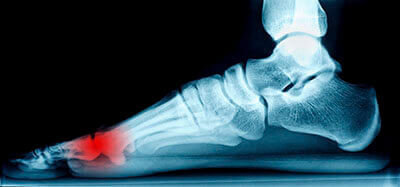
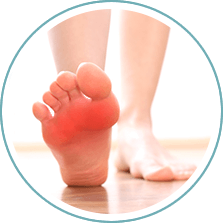
The pain caused by Morton’s neuroma is typically experienced at the ball of the foot. Many have described the sensation as feeling like they have a pebble stuck in their shoe. Because of this, those with the condition may find walking to be more difficult and uncomfortable. They may also experience a numbing or burning sensation in the foot. One of the most common factors that influence the development of Morton’s neuroma is improper footwear. Those who generally wear tightly fitted shoes or shoes with higher heels are more at risk at getting Morton’s neuroma. Having a foot abnormality may also increase the risk of getting this condition, as it may cause instability, thus adding more pressure onto the nerves of the foot. Certain foot conditions such as bunions, hammertoes, and flat flat feet have also been known to lead to Morton’s neuroma if not treated promptly.
Athletes have a tendency of getting Morton’s neuroma due to repetitive motions and pressure placed on the ball of the foot while running or jumping. Morton’s neuroma may also develop as a result of an injury to the foot.
To learn more about Morton’s neuroma and treatments that work best for your case, consult with your podiatrist.
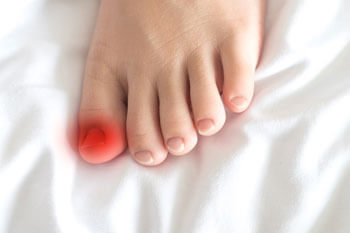
Signs that may indicate the formation of an ingrown toenail include redness, pain, swelling of the surrounding skin, possible bleeding or oozing of pus, and an overgrowth of the skin around the nail. The surrounding skin may also feel tender and become swollen or hardened. Most ingrown toenails are diagnosed by a simple physical exam; however, an x-ray may be required to show how deep the nail has grown into the skin of the toe.
Many factors influence the likelihood of developing an ingrown toenail. The most common way ingrown toenails are formed is due to an incorrect method in how the toenails are trimmed. If you cut your toenails too short or cut them at an angle, you’re putting yourself at risk of getting this condition. Another main factor that contributes to ingrown toenails is the choice of footwear. Those who commonly wear tightly fitted shoes, such as high heels, that do not give the toes enough room, put too much pressure on the big toes. This can create an ingrown toenail. To alleviate the pain, a small piece of cotton may be fitted underneath the nail. However, in more serious cases, total removal of the nail may be necessary.
For a proper diagnosis and advised treatment plan, we recommend you seek the care of a podiatrist as soon as you notice the warning signs of an ingrown toenail.
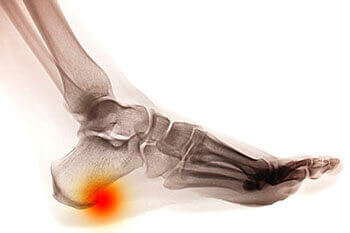
Signs that you may have a heel spur include pain felt in the heel region, swelling at the front of the heel, and inflammation. If the affected area also feels warm to the touch, you may be experiencing the symptoms of a heel spur. Heel spurs are extremely uncomfortable and can often lead to a great deal of pain if left untreated. They may develop due to excess body weight, complications with arthritis, wearing poorly fitted shoes, and bruising of the heel.
A heel spur takes the form of a bony-like growth. This is due to a calcium deposit that extends between the heel bone and foot arch. They can grow up to half an inch in length; however, they may not be outwardly visible. Because heel spurs tend to grow, increasing the overall discomfort felt, it’s important that you seek professional help as soon as pain is experienced for early detection.
For a proper diagnosis and recommendations for treatment, we suggest you consult with a podiatrist about any heel pain concerns.